
 English
 русский
 Español
 عربى


He Yutong — OEM/ODM Pet Apparel Sales Executive
755 Vintage Rider Denim Plaid Dog Vest: A Distinctive OEM/ODM Pet Apparel Solution for Modern Retailers
The 755 Vintage Rider Denim Plaid Dog Vest is designed for pet apparel buyers who want more than a basic seasonal garment. Combining washed denim texture, blue-black plaid, and a racing-inspired number graphic, this dog vest presents a recognizable vintage rider identity that can strengthen a retailer’s collection, improve product photography, and offer pet owners a more character-driven alternative to ordinary dog outerwear.
Its design draws inspiration from several established fashion directions at once. Denim contributes a familiar American workwear and motorcycle-jacket feeling. Plaid introduces a British-inspired contrast and adds visual depth. The number 755 acts as the central graphic feature, connecting the garment with retro racing culture and urban streetwear. Together, these elements create a product with a stronger visual story than a single-fabric vest or an undecorated pet coat.
For wholesalers, pet boutiques, online sellers, distributors, and private-label brands, the product also provides a practical foundation for customization. The denim wash, plaid combination, graphic number, logo placement, labels, packaging, and selected garment details can be adapted for different collections and target markets. This makes the vest suitable not only as a finished product but also as a development platform for seasonal OEM and ODM programs.
Behind the product is a manufacturing operation focused on pet apparel design, pattern making, sewing, quality control, and export-oriented production. Taizhou Feile Pet Products Co., Ltd. operates 48 fully automatic sewing production lines and has a 77-person professional team. Its reported daily production capacity is approximately 3,000 pieces, supported by experience in dog apparel, cat apparel, and small pet clothing.
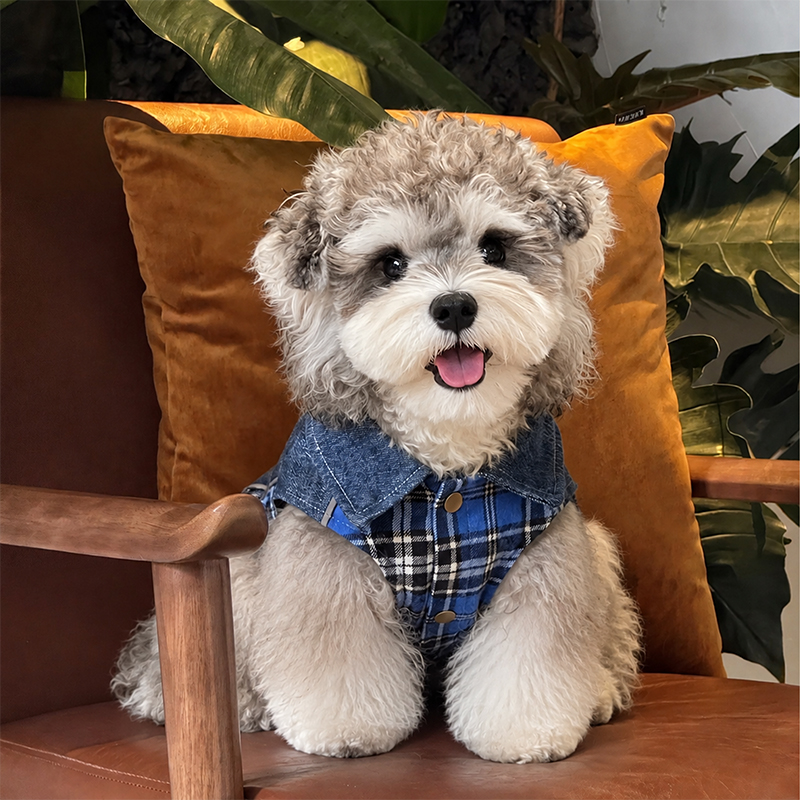
755 Vintage Rider Denim Plaid Dog Vest
1. Product Overview and Market Position
The 755 Vintage Rider Denim Plaid Dog Vest belongs to the dog outerwear and vest category. It is intended for autumn, winter, and transitional-season collections, when pet owners increasingly look for garments that combine comfort, visible style, and everyday practicality. Rather than presenting itself as a purely functional cold-weather layer, the vest uses fashion-oriented details to become part of a dog’s overall appearance.
The product’s main visual components are easy to identify:
Washed denim texture gives the garment a worn-in appearance associated with vintage clothing and motorcycle-inspired fashion.
Blue-black plaid provides contrast against the denim surface and creates a layered look without requiring an overly complicated construction.
The number 755 functions as the signature graphic motif. It gives the garment a memorable focal point and supports a racing-inspired design direction.
Urban motorcycle styling helps position the vest within current streetwear, American vintage, casual outdoor, and retro-inspired pet fashion categories.
This combination is commercially useful because it offers several merchandising angles. A retailer may present the vest as vintage petwear, motorcycle-inspired dog clothing, street-style apparel, seasonal outerwear, or a photography-focused accessory. The same product can therefore fit more than one category in an online store or physical boutique.
Many dog vests rely on one simple fabric, a small decorative patch, or a basic solid color. While those products can be easy to manufacture, they may have limited differentiation when displayed beside similar items. The 755 vest takes a more layered approach. The contrast between denim and plaid creates visual separation, while the graphic number immediately communicates the product’s theme.
For buyers developing a broader pet apparel collection, this design can serve as a statement style within a seasonal assortment. It can be placed alongside plain denim vests, quilted coats, hoodies, sweaters, or other casual garments to give the collection a stronger fashion narrative.
2. Design Details That Create Product Differentiation
Washed Denim Character
Denim is one of the most recognizable materials in fashion. Its appeal comes from its connection with durability, casual dressing, workwear, and vintage styling. In pet apparel, denim can also help a product appear more substantial and visually familiar than a lightweight single-color fabric.
The washed denim texture used in the design direction of this vest is important because it avoids an overly formal or completely new-looking appearance. A washed effect suggests lived-in character and gives the garment a more relaxed personality. This is particularly suitable for brands that sell American vintage, streetwear, motorcycle-inspired, or casual outdoor products.
From a merchandising perspective, denim also photographs well in different settings. It can be displayed against neutral backgrounds, outdoor environments, brick textures, wooden surfaces, or urban locations. The material’s recognizable surface helps create a clear image even when the product is shown from a distance.
Blue-Black Plaid Contrast
The blue-black plaid panel or visual element adds a second fabric language to the vest. Instead of presenting a flat denim-only appearance, the plaid brings pattern, rhythm, and contrast. Its darker color direction works naturally with denim blue and supports the product’s autumn and winter positioning.
Plaid is also commercially versatile. It can be associated with British heritage, outdoor clothing, traditional shirts, seasonal fashion, and vintage styling. When combined with denim, it creates a cross-cultural visual identity that can appeal to customers who enjoy classic patterns but want something less conventional than a plain plaid dog coat.
The use of plaid provides a useful advantage over many basic dog vests because it creates an immediate point of difference. A buyer can recognize the garment’s structure and color story in a product thumbnail, catalog page, or social media post. This can support stronger visual merchandising and improve the coherence of a retailer’s seasonal campaign.
Racing-Inspired Number 755
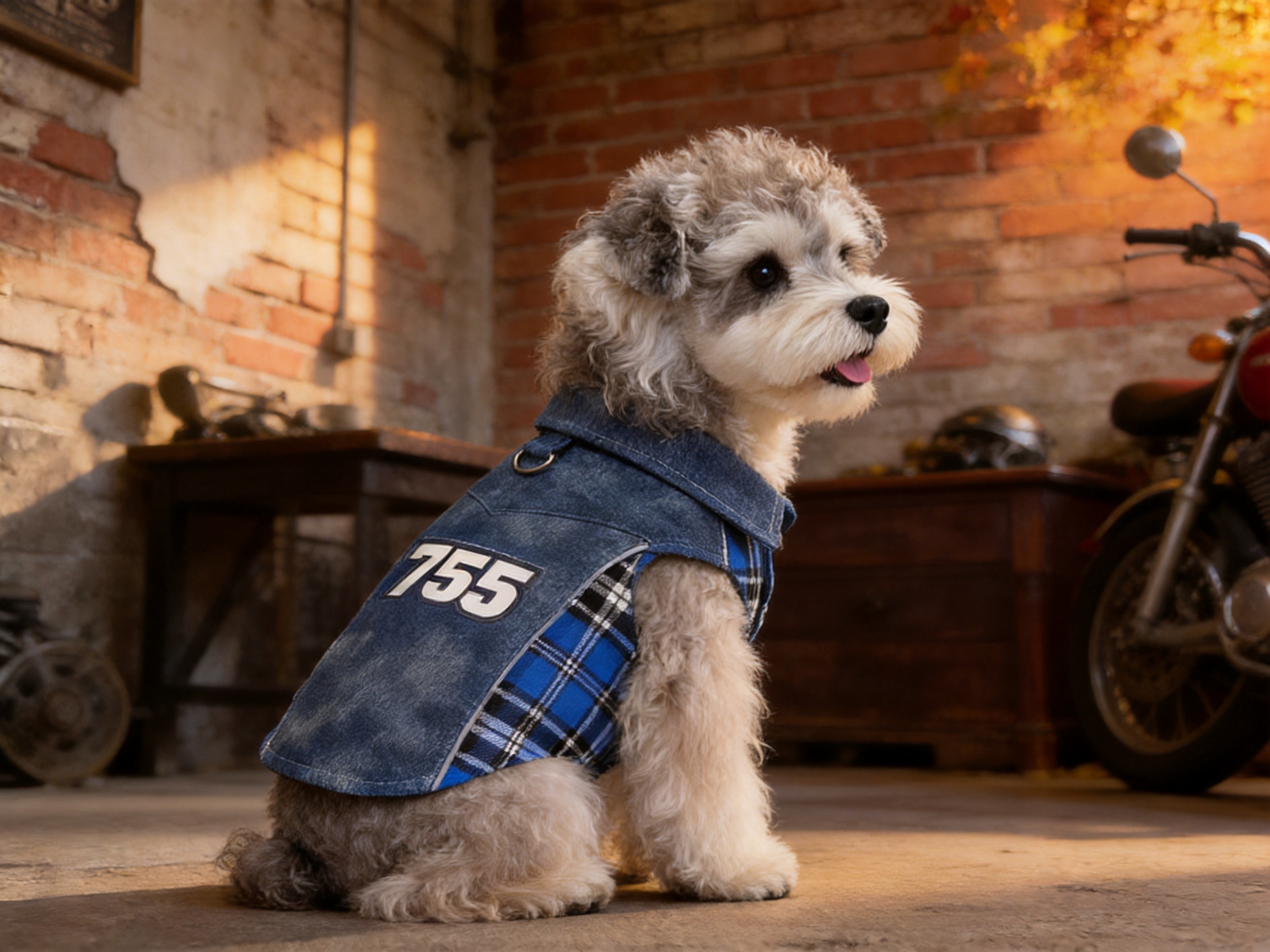
The number 755 is the product’s signature graphic element. Numbers are effective in apparel design because they can communicate a sports, motorsport, collegiate, or utility-inspired identity without requiring a long slogan. In this case, the number supports the retro racing direction and gives the vest a memorable visual feature.
A distinctive number also creates a foundation for customization. Buyers may choose to retain 755 as the core design, replace it with another number, or adapt it into a private-label graphic system. The number can be combined with a brand logo, embroidered emblem, printed artwork, woven label, or other decorative application depending on the desired collection style.
For photography and product listing purposes, the graphic provides a clear focal point. A dog wearing the vest can be photographed from the side, at an angle, or in motion while still showing the identity of the product. This is useful for online retailers because recognizable visual details can help customers distinguish one garment from another in a crowded product category.
Layered Visual Construction
The most important design advantage is not any one element in isolation. It is the relationship among denim, plaid, and graphic details. These components create a layered appearance that can look more developed than a basic vest using only one material and one color.
Layering also supports different price and collection strategies. A buyer seeking an accessible seasonal product can use the existing design direction with limited branding changes. A premium boutique may request upgraded trims, custom labels, special packaging, or a more complex graphic treatment. The same overall concept can therefore be positioned for different channels without losing its original identity.
3. Advantages Compared with Basic Dog Vests
The pet apparel market includes many functional garments that provide coverage but do not offer a strong design story. Basic solid-color vests can be useful, but they may be difficult for retailers to differentiate and may not generate much interest in visual marketing. The 755 Vintage Rider Denim Plaid Dog Vest addresses this challenge through a combination of recognizable fashion references.
Stronger Shelf and Screen Recognition
In a physical store, the combination of denim blue, dark plaid, and the 755 graphic can help the product stand out among solid-color garments. In an online store, the contrast can remain visible in thumbnail images, category pages, and social media posts. Products that can be identified quickly often have an advantage in visual merchandising because customers do not need to read extensive copy to understand the item’s personality.
More Flexible Storytelling
A plain vest may be described mainly by its size, color, and material. The 755 design supports a broader story involving vintage riding culture, retro motorsport, American casual fashion, British plaid, and urban pet styling. This gives retailers more options for campaign content, collection names, seasonal displays, and product descriptions.
Suitable for Multiple Retail Channels
The vest can be marketed through pet boutiques, online pet stores, lifestyle retailers, streetwear-inspired shops, motorcycle-themed gift stores, and seasonal pop-up collections. Its visual identity is specific enough to be memorable while remaining broad enough to fit several retail environments.
Customization Potential
Many finished products are difficult to adapt without changing the entire design. This product has a more flexible structure. Customization may include denim wash, plaid color, racing number, artwork, logo placement, labels, hang tags, packaging, and selected garment details. Such options make it more useful for private-label businesses that want a recognizable style but still need an exclusive product identity.
Improved Collection Coordination
The denim and plaid theme can be extended into a larger collection. A buyer may develop matching dog jackets, cat apparel, collars, bandanas, harness accessories, or owner-and-pet lifestyle items around the same vintage rider concept. Even when the exact product structure changes, consistent colors and graphic treatment can create a stronger brand presentation.
4. Product Specifications
The vest is offered in six sizes, from XS through XXL. Because dog breeds and body shapes vary considerably, buyers should use the measurements as a starting point and confirm fit requirements before placing a final order. A dog’s chest measurement is especially important when selecting a vest, while neck and back length help determine overall comfort and coverage.
| Size | Neck | Chest | Back Length | Suggested Weight |
|---|---|---|---|---|
| XS | 22 cm | 33 cm | Approx. 22 cm | Approx. 3 lbs |
| S | 24 cm | 37 cm | Approx. 25 cm | Approx. 5 lbs |
| M | 30 cm | 44 cm | Approx. 29 cm | Approx. 5–8 lbs |
| L | 33 cm | 48 cm | Approx. 33 cm | Approx. 8–14 lbs |
| XL | 36 cm | 53 cm | Approx. 36 cm | Approx. 14–17 lbs |
| XXL | 40 cm | 58 cm | Approx. 39 cm | Approx. 17–22 lbs |
The available size range allows the product to serve small and medium-sized dogs as well as selected larger small-breed or compact medium-breed dogs. Retailers should present the measurement chart clearly and encourage customers to measure the dog’s chest and neck rather than relying only on breed names.
The standard color direction is denim blue with blue-black plaid. Custom colors and graphic combinations are available for qualified OEM and ODM projects. This may allow a buyer to create lighter spring colors, darker winter tones, brand-specific color palettes, or coordinated designs for multiple pet categories.
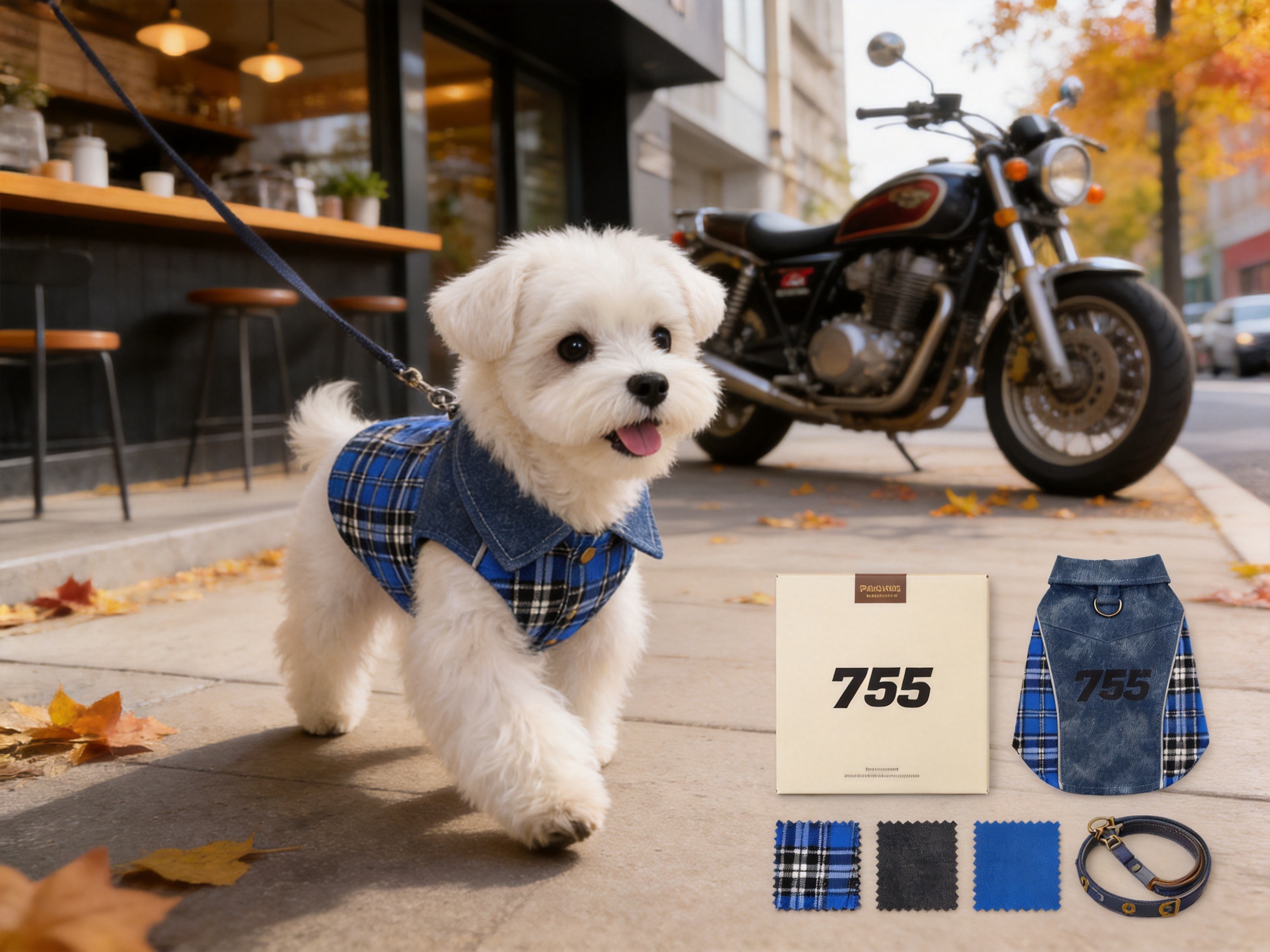
The recommended season is autumn, winter, and transitional periods. The vest can be included in seasonal launches, holiday gift guides, outdoor petwear campaigns, and lifestyle photography. Its style is particularly compatible with cool-weather visual themes such as fall leaves, urban streets, weekend travel, cafés, parks, and outdoor gatherings.
5. Everyday Use and Consumer Appeal
The 755 vest is intended for dogs and can be used for daily walks, outdoor trips, pet gatherings, and photography. Its visual design makes it suitable for owners who treat pet clothing as part of a dog’s personality and lifestyle rather than as a purely utilitarian item.
For daily walks, the garment can provide an additional clothing layer during cooler weather while giving the dog a distinctive appearance. For outdoor trips, the denim and plaid styling can coordinate naturally with casual travel and adventure themes. At pet gatherings, the 755 graphic can help the dog stand out in group photographs. For professional or user-generated photography, the product offers a strong visual theme that can support seasonal content.
Pet owners increasingly share images and videos of their animals online. A garment with a clear concept may be more likely to appear in lifestyle content than an item with no recognizable design feature. The vintage rider direction can inspire photo concepts involving bicycles, motorcycles, classic vehicles, city streets, vintage furniture, or casual outdoor environments.
Retailers should describe the product accurately and avoid making unsupported claims about technical performance. The available information identifies the vest as seasonal dog outerwear with a denim-and-plaid design. If a buyer requires waterproofing, insulation, reflective details, special closures, or other performance features, those requirements should be confirmed during product development and sampling.
6. OEM and ODM Customization Opportunities
The product is suitable for businesses that want to launch a private-label pet apparel line without developing an entirely new concept from the beginning. OEM manufacturing allows a buyer to specify branding and selected product details, while ODM development can involve deeper design adaptation and collection planning.
Fabric and Color Development
Customization may include different denim washes, from lighter vintage tones to deeper indigo or charcoal-inspired finishes. The plaid can also be adapted through color, scale, and contrast. A buyer may request a traditional blue-black combination, a warmer brown and navy palette, a red-accented winter version, or colors that correspond to an existing brand identity.
Color development should be evaluated through samples because digital screens, fabric surfaces, and finished garments can display color differently. Buyers should review physical samples or approved color standards before bulk production.
Graphic and Artwork Adaptation
The racing number can remain as 755, be replaced with a private-label number, or be integrated with additional artwork. Graphic placement may be adjusted according to the desired visual balance. A buyer may prefer a larger back graphic for strong side-view photography, a smaller chest emblem for a more understated look, or multiple coordinated graphics for a complete collection.
Artwork can be developed for embroidery, printing, silicone or rubber applications, woven labels, or other suitable treatments. The best method depends on the graphic complexity, quantity, target price, desired hand feel, and care requirements.
Branding and Packaging
Branding options include embroidered logos, printed graphics, silicone or rubber logo applications, custom woven labels, wash labels, hang tags, and branded packaging. These details can make a substantial difference in the final retail presentation.
For online sellers, branded hang tags and packaging can improve unboxing content and help create a more professional customer experience. For boutiques and distributors, customized labels can make the product easier to integrate into an existing merchandise system. Packaging may follow standard export requirements or be developed for customized retail presentation.
Size and Collection Grading
Buyers with specific customer data may request adjustments to size grading. For example, a brand serving mainly toy breeds may require additional smaller measurements, while a retailer focused on compact medium-sized dogs may prefer extended chest dimensions. Any size changes should be tested through samples to confirm that the visual proportions and garment balance remain consistent.
Seasonal Collection Development
The 755 concept can be developed into a seasonal family of products. Possible extensions may include a lighter transitional-season version, a heavier winter variation, matching accessories, or coordinated garments for cats and small pets. A consistent combination of denim-inspired color, plaid, and racing graphics can help unify multiple products under one collection theme.
7. Manufacturing Capabilities and Production Strengths
A strong product concept must be supported by dependable manufacturing. Taizhou Feile Pet Products Co., Ltd. describes itself as a professional pet apparel manufacturer integrating design, production, and sales. The company is headquartered in Taizhou, Zhejiang, and has five years of offline manufacturing experience.
Its cross-border online division officially began operations in November 2025, with a focus on one-stop OEM and ODM pet apparel solutions for global cross-border sellers and brands. This structure is relevant to international buyers because it combines factory production experience with a business division designed to communicate with overseas customers and manage customized sourcing requirements.
Automated Sewing Production Lines
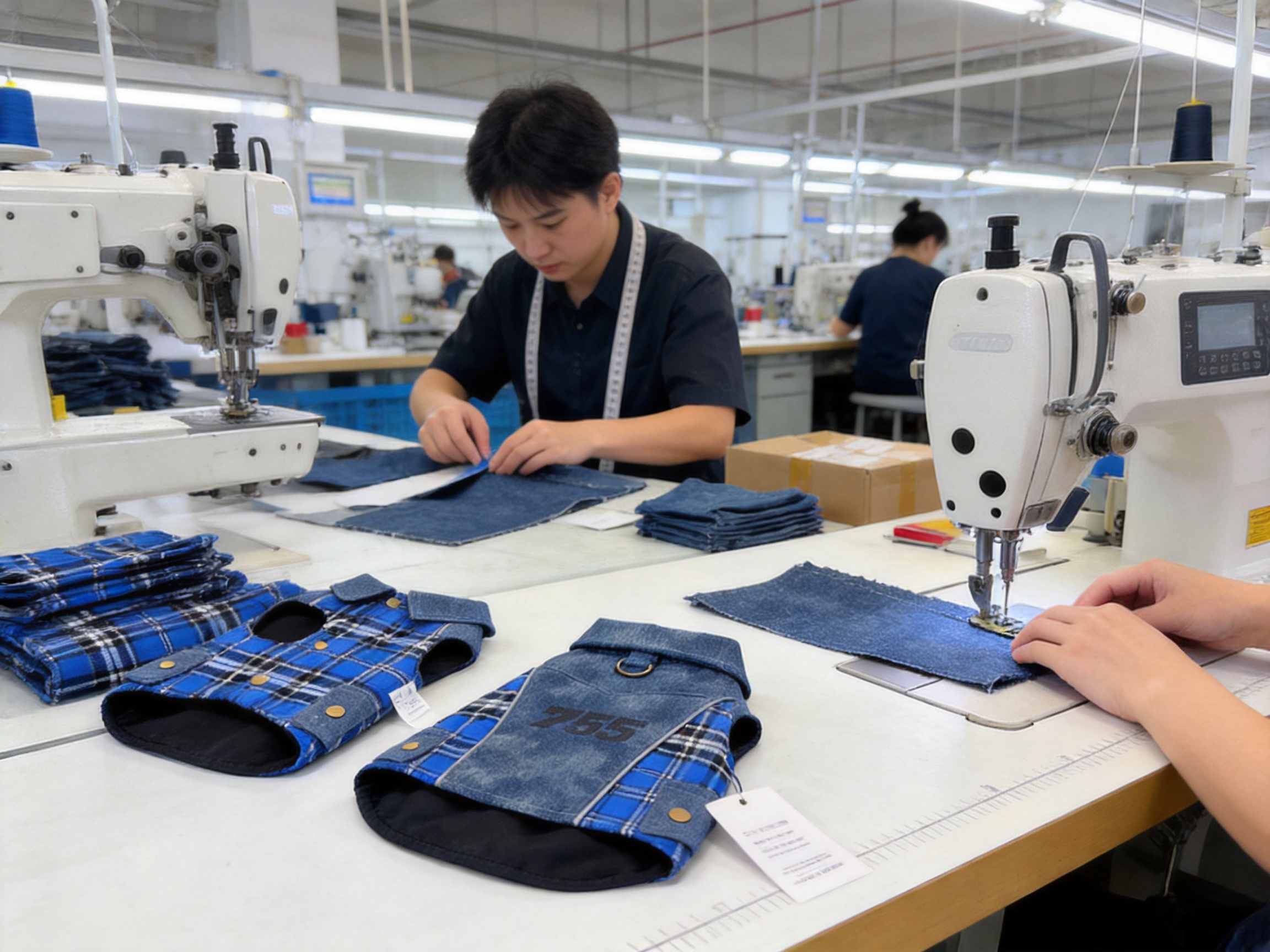
The manufacturing operation is equipped with 48 fully automatic sewing production lines. A substantial sewing-line capacity can support more organized production planning, especially when orders involve multiple sizes, colors, or repeated seasonal styles.
Automation may help improve process consistency when the same operations are repeated across a production run. However, finished product quality also depends on pattern accuracy, material preparation, operator supervision, inspection procedures, and final packing. For this reason, the company’s sewing capacity is supported by a broader professional team covering design, pattern making, production, and quality control.
Professional Team Structure
The reported 77-person team includes personnel responsible for the main stages of product development and manufacturing. Design teams help transform a visual concept into a manufacturable garment. Pattern makers interpret measurements and construction requirements. Production staff manage sewing and assembly. Quality-control personnel help identify defects and verify that products meet established requirements.
This cross-functional structure is valuable for OEM and ODM buyers because customized pet apparel often requires communication across several departments. A change to the graphic, fabric, size, or packaging can affect pattern development, sewing operations, inspection, and final packing. Having relevant functions within the manufacturing organization can make the development process more coordinated.
Daily Production Capacity
The company reports a daily production capacity of approximately 3,000 pieces. Capacity does not mean that every order will automatically be completed at that rate, since actual scheduling depends on product complexity, material availability, order quantity, customization, inspection requirements, and the factory’s current production plan. Nevertheless, this figure indicates that the manufacturer is structured to support commercial-scale pet apparel orders rather than only small workshop production.
Broad Product Coverage
The product range includes dog apparel, cat apparel, and small pet apparel, with more than 800 SKUs in total. This broader category experience may help buyers who want to source multiple types of pet clothing from one manufacturing partner.
The company also reports launching 8–12 new styles weekly. Frequent style development can support retailers that need fresh products for seasonal updates, trend-based collections, and regular online releases. For buyers, the ability to discuss one product concept and then extend it across related categories may improve the efficiency of collection planning.
8. Quality Control and Production Workflow
Quality control should be considered throughout the entire production process rather than only at the end. For a denim-and-plaid dog vest, important checkpoints may include material inspection, color matching, pattern accuracy, graphic placement, seam quality, size measurement, label attachment, and packaging verification.
Design and Pattern Preparation
The process begins with a product concept and technical requirements. The vintage rider direction must be translated into a pattern and construction plan that can be repeated across six sizes. Pattern development should account for the relationship between neck, chest, back length, and the placement of denim, plaid, and graphics.
Sample development is particularly important when a product uses more than one fabric or decorative element. A sample allows the buyer and manufacturer to review the proportions, visual balance, fit, color relationship, and branding details before bulk production.
Material and Component Review
Materials should be checked before cutting and sewing. Denim and plaid may have different surface characteristics, thicknesses, shrinkage behavior, or visual textures. These differences should be considered during development so that the finished garment maintains a balanced appearance.
Branding components such as woven labels, hang tags, printed graphics, and silicone or rubber applications should also be reviewed for correct artwork, dimensions, color, and placement. Clear approval procedures reduce the risk of producing bulk goods with outdated or incorrect branding.
Cutting, Sewing, and Assembly
Accurate cutting supports consistent size and helps control the alignment of plaid sections. Sewing operations should maintain secure seams and clean finishing appropriate to the product’s intended use. Production-line supervision can help identify issues before they are repeated across a larger quantity.
When different sizes are produced together, operators and inspectors should verify that the correct components are matched to the correct size. This is especially important for orders involving several colors, custom graphics, or multiple label sets.
Final Inspection and Packing
Final inspection may include checking measurements, appearance, sewing, graphic placement, labels, and general presentation. Packaging verification ensures that the correct quantity, size assortment, and branding materials are packed for shipment.
Buyers should establish inspection expectations before production begins. Depending on the order, they may request approved samples, measurement tolerances, color references, packaging instructions, and pre-shipment inspection arrangements. Clear specifications help both sides understand the quality standard.
9. Order Terms and Sourcing Considerations
The standard minimum order quantity is 500 pieces per order. The stated single-color minimum is at least 300 pieces for each color. These quantities are designed for commercial sourcing rather than individual consumer purchases and may be appropriate for wholesalers, distributors, online brands, and retail chains planning a seasonal inventory program.
The indicated production lead time is 10–15 days after order confirmation and receipt of the deposit. Actual timing may vary according to customization, material preparation, sample approval, order size, production scheduling, and packaging requirements. Buyers should confirm the final schedule in writing before placing an order.
The stated payment terms are a 50 percent deposit to confirm the order, with the remaining 50 percent balance paid before shipment. International buyers should also discuss shipping method, export documentation, carton specifications, labeling requirements, inspection arrangements, and any destination-market compliance needs.
For customized designs, private-label orders, or large-volume purchases, the manufacturer should provide detailed pricing and production information after reviewing the technical requirements. A clear inquiry should include target quantity, sizes, colorways, artwork, branding, packaging, delivery destination, and desired delivery date.
10. Recommended Buyer Workflow
A structured sourcing workflow can help reduce delays and avoid misunderstandings.
Step One: Define the Collection Purpose
Decide whether the vest will be sold as a finished seasonal item, a private-label product, a boutique-exclusive design, or part of a larger pet apparel collection. The intended channel affects the desired price, packaging, graphic treatment, and quantity.
Step Two: Confirm the Product Direction
Review the denim wash, plaid color, number graphic, overall styling, and available size range. If the buyer wants to maintain the 755 design, confirm the artwork and placement. If the buyer wants modifications, prepare clear references.
Step Three: Request Sampling
Samples allow the buyer to evaluate appearance, construction, fit, material interaction, and branding. For customized projects, sample approval should be completed before bulk materials are committed whenever possible.
Step Four: Approve Technical Details
Confirm measurements, tolerances, colors, labels, graphics, packaging, carton information, and inspection requirements. Written approval creates a reference for production and helps prevent late-stage changes.
Step Five: Confirm Quantity and Schedule
Ensure that the order meets the 500-piece MOQ and the 300-piece single-color minimum where applicable. Discuss the production calendar, deposit, expected completion date, and shipping plan.
Step Six: Conduct Production and Inspection
Maintain communication during production, particularly when the order includes multiple colors, sizes, or customized graphics. Inspection can be arranged according to the buyer’s sourcing procedure and the agreed quality standard.
Step Seven: Prepare Retail Launch Materials
Because the product has a strong visual theme, retailers should prepare lifestyle images, size guidance, material information, seasonal copy, and a clear explanation of the vintage rider styling. Good presentation can help customers understand why the item differs from an ordinary dog vest.
11. Retail and Marketing Applications
The product can support several marketing approaches. A vintage motorcycle campaign may emphasize the 755 graphic, washed denim, and retro racing character. An autumn collection may focus on blue-black plaid and seasonal layering. A streetwear campaign may present the vest alongside urban settings and casual accessories. A pet photography campaign may highlight the product’s strong side-view graphic and distinctive color blocking.
Product photography should show multiple angles, including the back, side, front, and close-up views of the denim, plaid, and graphic elements. A size reference image can help customers understand scale. Lifestyle images may communicate the product’s personality, while technical images can explain measurements and construction details.
Online descriptions should avoid vague claims and focus on verifiable features. Useful information includes available sizes, neck and chest measurements, back length, seasonal suitability, color direction, design inspiration, customization options, and care instructions supplied by the manufacturer.
For wholesale catalogs, the product can be presented with its key selling points: layered denim-and-plaid design, signature 755 racing graphic, vintage rider styling, six available sizes, OEM/ODM support, and suitability for autumn, winter, and transitional collections.
12. Q&A for Buyers and Retailers
What type of product is the 755 Vintage Rider Denim Plaid Dog Vest?
It is a dog outerwear vest combining washed denim texture, blue-black plaid, and a racing-inspired 755 graphic. It is designed for autumn, winter, and transitional-season petwear collections.
What makes this vest different from a basic denim dog vest?
The product uses a layered combination of denim, plaid, and graphic elements rather than relying on a single fabric. The number 755 gives it a recognizable vintage racing identity, while the plaid creates additional contrast and visual depth.
Which dogs can wear the vest?
The vest is available in XS, S, M, L, XL, and XXL. The best size should be selected according to the dog’s actual neck, chest, and back measurements. The listed weight ranges are approximate and should not replace physical measurement.
Is the product suitable for winter?
It is positioned for autumn, winter, and transitional seasons. Buyers should confirm the exact warmth, lining, closure, and performance specifications required for their market because the available product information identifies the garment primarily by its denim-and-plaid design and seasonal outerwear direction.
Can the number 755 be changed?
Customization can include racing numbers and graphic artwork. Buyers should discuss the requested number, artwork format, placement, production method, and any related development costs during the sampling stage.
Can the plaid color be customized?
Yes. Custom plaid color combinations are included among the available customization options. The buyer should provide color references and approve a physical sample before bulk production.
What branding options are available?
Branding may include embroidered logos, printed graphics, silicone or rubber logo applications, custom woven labels, wash labels, hang tags, and branded packaging.
Does the manufacturer support OEM and ODM projects?
Yes. The manufacturer supports OEM and ODM manufacturing for pet apparel brands, wholesalers, distributors, retailers, and private-label businesses.
What is the standard minimum order quantity?
The stated MOQ is 500 pieces per order. The single-color MOQ is at least 300 pieces for each color.
What is the stated production lead time?
The standard production lead time is 10–15 days after order confirmation and receipt of the deposit. Customized projects may require additional development or scheduling time.
What are the payment terms?
The standard terms are a 50 percent deposit to confirm the order and a 50 percent balance before shipment.
Can the vest be part of a larger pet collection?
Yes. The denim, plaid, and racing theme can be extended into coordinated dog apparel, cat apparel, small pet apparel, and selected accessories. Buyers should discuss collection development during the OEM or ODM planning stage.
What manufacturing resources support the product?
The manufacturer reports 48 fully automatic sewing production lines, a 77-person professional team, approximately 3,000 pieces of daily production capacity, and experience covering design, pattern making, production, and quality control.
Does the company make other pet clothing?
Yes. Its product coverage includes dog apparel, cat apparel, and small pet apparel, with more than 800 SKUs in total.
13. Why This Product Can Strengthen a Pet Apparel Assortment
The 755 Vintage Rider Denim Plaid Dog Vest offers a balance between recognizable fashion styling and practical sourcing flexibility. Its visual identity is strong enough to stand out, but the core design can still be adapted for different markets. This makes it appropriate for buyers who want a product with personality without committing to an entirely experimental concept.
Its competitive advantage comes from the combination of several accessible design references. Denim is familiar, plaid is recognizable, and racing numbers are easy for customers to understand. The product does not depend on an obscure trend or a complicated theme. Instead, it brings familiar elements together in a format that can be used across casual, vintage, streetwear, outdoor, and seasonal pet collections.
The manufacturing platform adds another layer of value. A supplier with design, pattern, production, and quality-control capabilities can help buyers move from concept to sample and then to bulk production. The reported equipment, staffing, daily capacity, product range, and style-development activity indicate a factory operation prepared to serve businesses that require repeated product launches and scalable sourcing.
For retailers, the vest can function as a visual anchor in a fall or winter collection. For private-label brands, it can serve as a starting point for a customized graphic and branding system. For wholesalers, its broad style appeal and six-size range can support multiple customer types. For online sellers, its graphic identity and layered appearance can provide useful material for product photography and social content.
Conclusion
The 755 Vintage Rider Denim Plaid Dog Vest is a fashion-oriented dog outerwear product built around a clear and memorable concept. Washed denim supplies a vintage foundation, blue-black plaid adds contrast, and the 755 racing graphic creates a recognizable rider identity. This combination gives the vest stronger differentiation than many basic single-fabric dog garments.
Its seasonal positioning makes it suitable for autumn, winter, and transitional collections, while its design can be used in daily-walk, outdoor, pet-gathering, photography, and lifestyle marketing. The six available sizes provide coverage for a range of small and medium-sized dogs, subject to careful measurement and fit selection.
For commercial buyers, the product’s greatest advantage may be its adaptability. Denim washes, plaid colors, graphic numbers, artwork, labels, packaging, and selected garment details can be customized through OEM and ODM development. This allows a retailer or brand to preserve the product’s core rider character while creating a more exclusive market offering.
The manufacturing support is based on an organization with five years of offline manufacturing experience, 48 fully automatic sewing production lines, a 77-person professional team, approximately 3,000 pieces of reported daily production capacity, and a product portfolio covering dog, cat, and small pet apparel. With appropriate sampling, technical confirmation, quality standards, and production planning, the vest can become a practical addition to a differentiated pet clothing program.
References
1. Product specification materials for the 755 Vintage Rider Denim Plaid Dog Vest, including design description, size information, customization options, MOQ, lead time, and payment terms.
2. Manufacturing capability information supplied for Taizhou Feile Pet Products Co., Ltd., including production lines, team structure, daily capacity, product categories, and style-development activity.
3. General apparel product-development practices covering sampling, pattern preparation, material review, production inspection, branding approval, and retail packaging.
4. General pet apparel merchandising principles relating to seasonal collections, size communication, lifestyle photography, and online product presentation.
Product: 755 Vintage Rider Denim Plaid Dog Vest

NEXT:Lightning Number Racing Dog Jersey: A Graphic Streetwear Direction for Small-Dog Apparel Collections
- Lolita Cake Dress
- Cool Style Tassel Top Pet Lolita Dress
- Sweet Bow Princess Dog Dress
- Denim Pinafore Dress With Pockets Cute Casual Small Dog Outfit
- French Doll-neck Dog Dress Elegant Pet Wear
- Korean Sweet Lolita Dog Dress Cute Party Outfit
- Flutter Sleeve Dog Dress Lightweight Summer Pet Wear
- Ruffle Flutter Sleeve Pet Dress Cute Princess Style
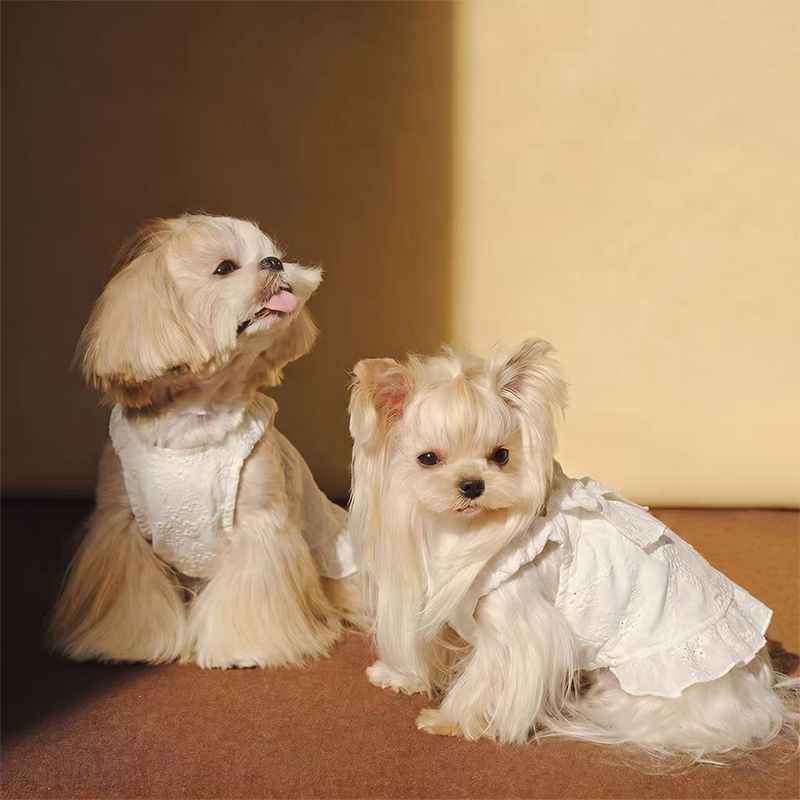
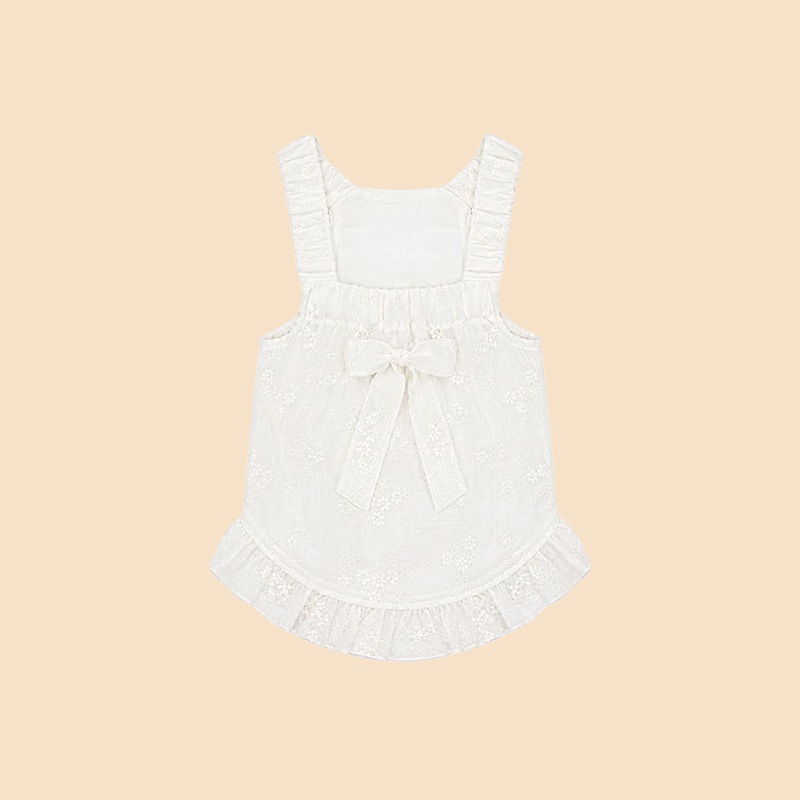
- French Style Embroidered Dog Dress Elegant Pet Apparel
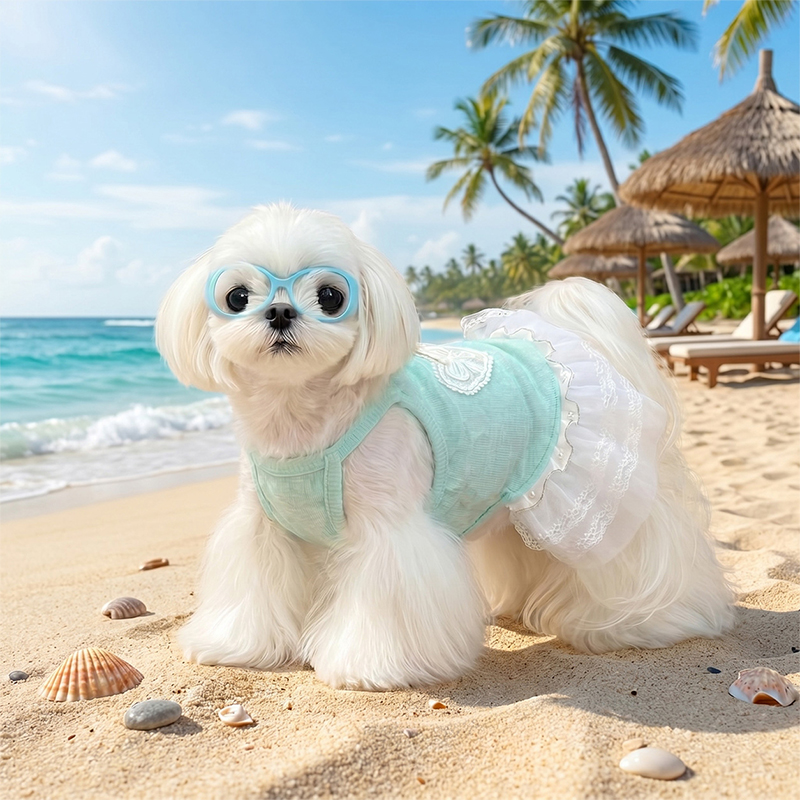
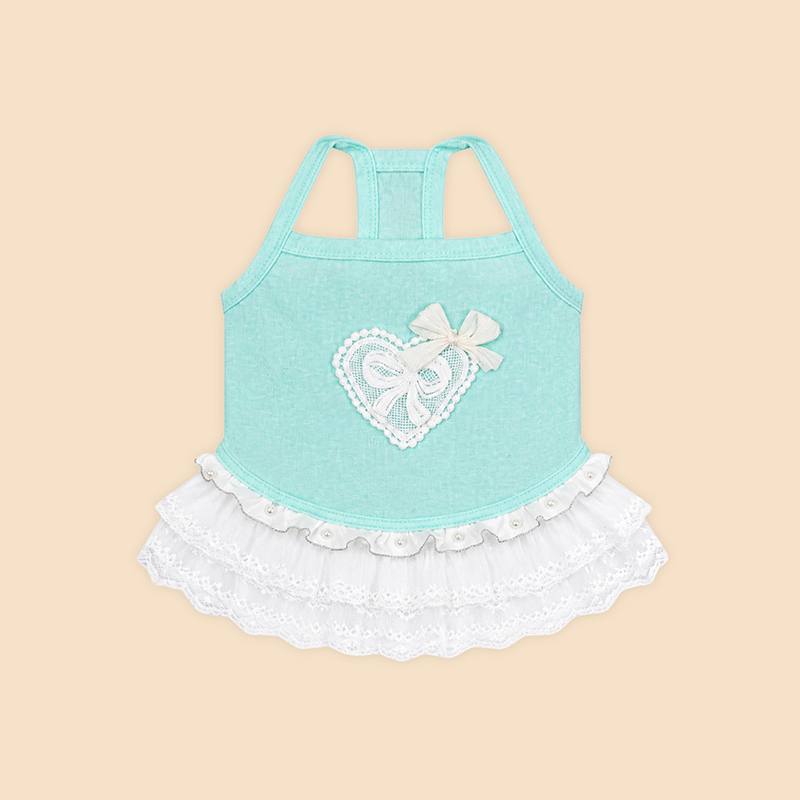
- Mint Green Heart Spaghetti Strap Tulle Dog Dress Princess Party Outfit
- Gingham Bow Dog Dress Cute Summer Pet Outfit
- Navy Star Pleated Dog Dress Elegant Casual Pet Wear
- Summer Sailor Dog Dress Nautical Style Pet Apparel
- Dog Cooling Shirt Color-Block Lightweight Summer Pet Wear
- Dog Printed High-Neck Base Layer Top Thermal Stretch Pet Underwear
- Lightning Racing Performance Sportswear Breathable Athletic Pet Shirt
- Rustic Brown Plaid Dog Shirt Casual Outdoor Pet Wear
- Cream Embroidered Dog Blouse Elegant Pet Shirt
- Korean Style Pink Textured Tulle Camisole Small Dog Fashion Top
- Star & Letter Casual Pet T-Shirt Daily Wear Dog Top
- +86-13362661217
- 13362661217@163.com
- 128 Houxin Street, Hongjia, Jiaojiang, Taizhou, Zhejiang, China
