
 English
 русский
 Español
 عربى
عربى

News
Hooded Shell Jackets for Small Dogs: Balancing Weather Protection with Modern Aesthetic Design
Functional Dog Apparel Market Sees Surge in Technical Outerwear as Pet Humanization Trend Continues
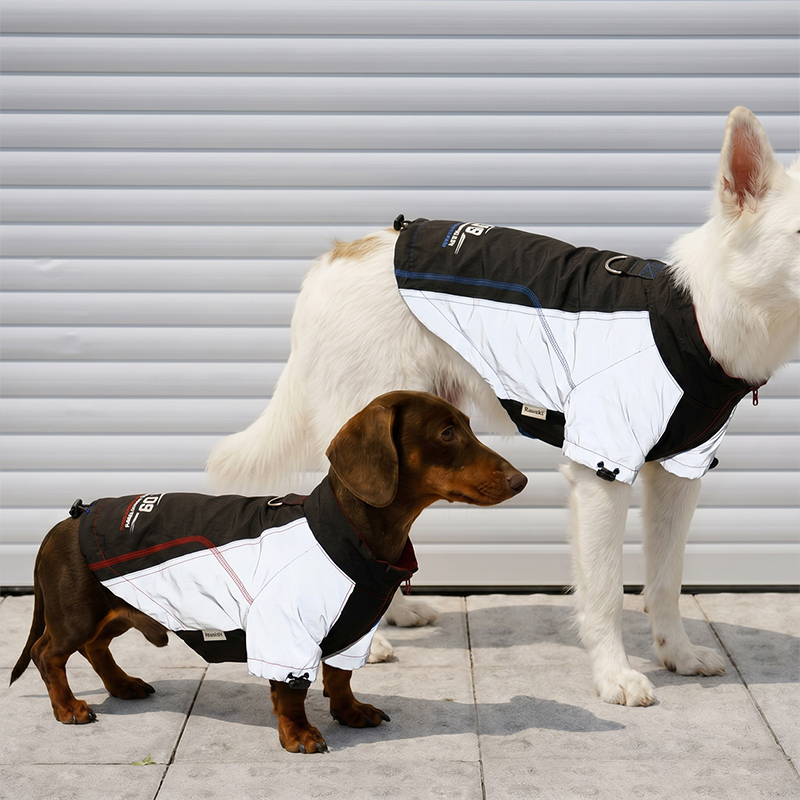
The global pet apparel sector is undergoing a notable shift toward functional, performance-driven designs, moving far beyond the decorative sweaters and seasonal costumes that once dominated the category. Among the fastest-growing segments is technical outerwear for dogs, particularly hooded shell jackets engineered to provide reliable weather protection during everyday walks, outdoor excursions, and short travel scenarios.
The Rise of Pet Outerwear as a Functional Category
Historically, dog clothing was primarily viewed as a fashion statement or a novelty item. Today, however, pet owners increasingly approach pet apparel with the same considerations they apply to their own outdoor gear—fabric performance, fit accuracy, and long-term durability. This shift reflects the broader pet humanization trend, in which companion animals are treated as full family members with corresponding lifestyle needs.
Small dog breeds, in particular, benefit from weather-resistant outerwear due to their higher surface-area-to-body-mass ratio, which makes them more susceptible to temperature changes and moisture exposure. A well-constructed shell jacket can make the difference between a comfortable walk and one that is cut short by wind or light rain.
Material Innovation in Canine Outerwear
Modern dog shell jackets typically utilize lightweight, waterproof, and windproof fabrics that mirror the materials found in human outdoor apparel. These fabrics are selected not only for their protective properties but also for comfort—stiff or heavy materials can restrict a dog's natural movement and lead to resistance during wear.
The construction quality directly impacts real-world performance. Seams, zippers, and hood attachments are critical points where water can penetrate, making manufacturing precision an important factor in product differentiation. Durability through repeated washing cycles is another key consideration, as pet owners expect garments to maintain both their appearance and functional properties over time.
Design Trends: Color-Blocking and Visual Appeal
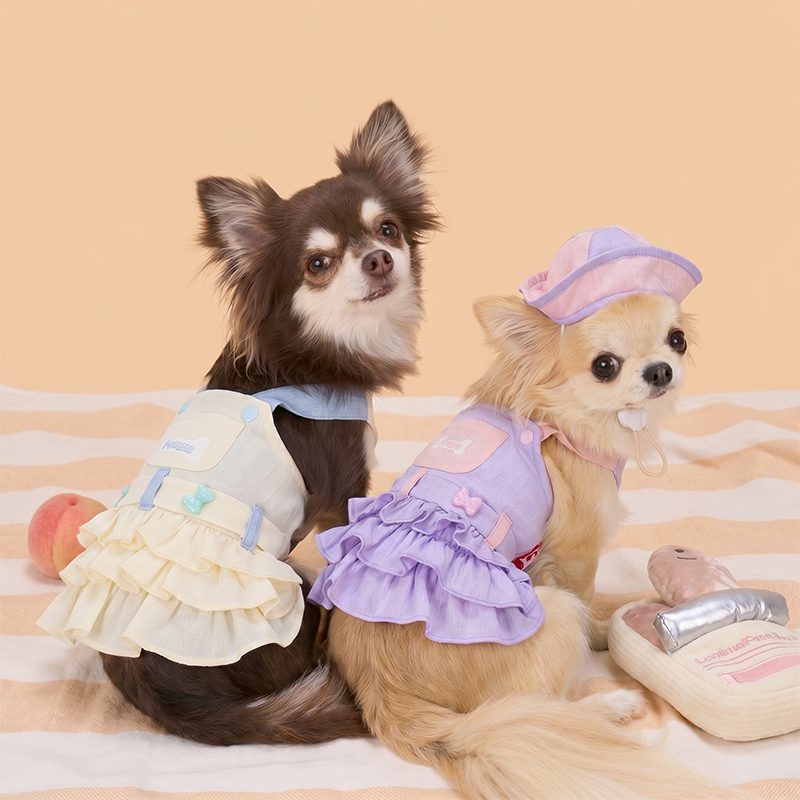
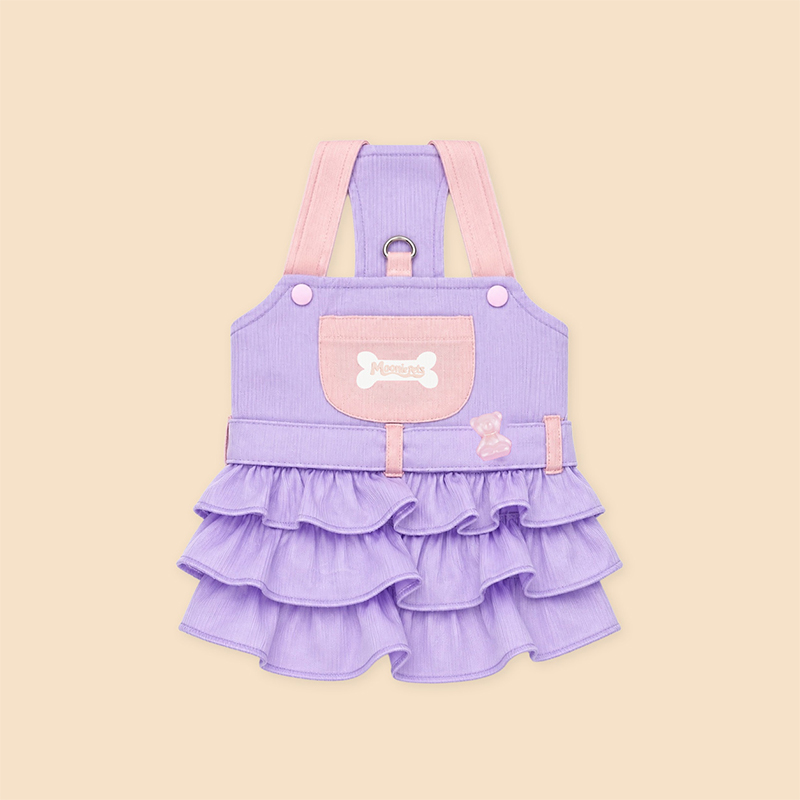
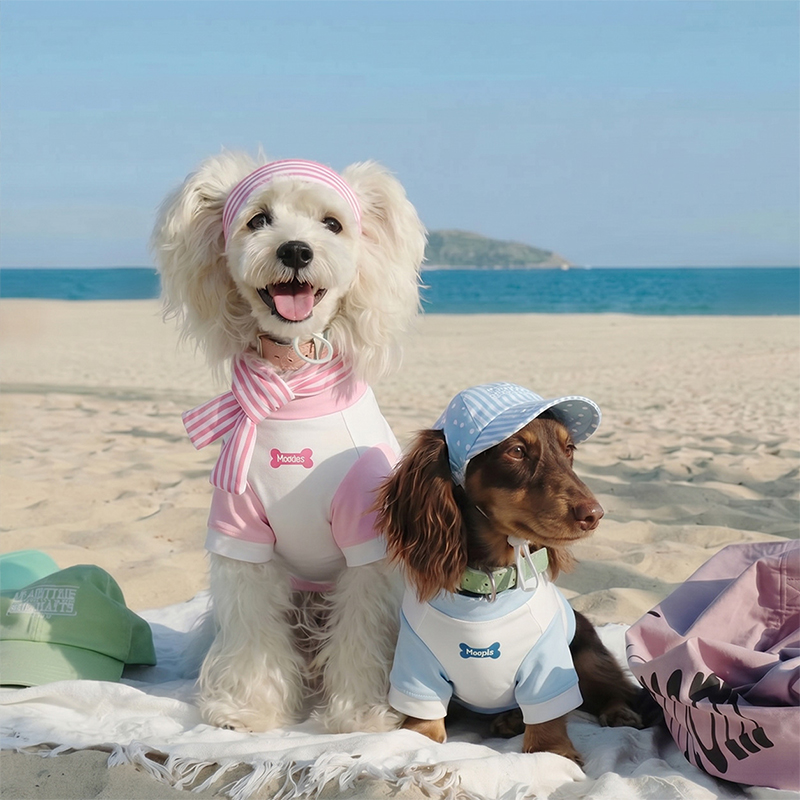
Aesthetic design has become increasingly important in the pet apparel market, driven by social media visibility and the desire for pet products that complement modern lifestyle aesthetics. Color-blocking—particularly in soft, macaron-inspired palettes—has emerged as a prominent design trend.
This approach serves both visual and practical purposes. Color-blocked designs enhance retail presentation, making products stand out both in physical stores and in e-commerce listings. From a merchandising perspective, multiple colorways allow retailers to cater to different regional preferences and seasonal themes without requiring entirely new product development.
Sizing Standardization: An Industry Challenge
One of the persistent challenges in the pet apparel industry is sizing inconsistency across brands. Unlike human clothing, which benefits from established sizing standards, dog apparel sizing varies widely, often leading to high return rates and customer dissatisfaction.
Products that offer standardized measurements—including neck circumference, chest girth, and back length—address this pain point directly. A size range spanning XS to XXL, covering approximately 3 to 22 pounds, accommodates the majority of small and toy breeds. Clear, detailed size charts enable more accurate purchasing decisions, reducing return volumes and improving inventory management for retailers.
Customization and B2B Considerations
As the pet apparel market matures, customization capabilities have become increasingly important for B2B buyers. Retailers, boutique brands, and pet service businesses often seek tailored solutions—whether in custom colors, branded elements, or size adjustments to serve specific breed demographics.
Comprehensive after-sales support, including sample provision and replacement of damaged accessories, further differentiates suppliers in a competitive market. These services reduce the operational burden on retail partners and contribute to long-term business relationships.
PREV:Summer Pet Apparel Market Embraces Denim Pinafore Dresses as Outdoor-Inspired Styles Gain Traction
NEXT:No next article
NEXT:No next article
Contact Us Now
Realted Products
- Lolita Cake Dress
- Cool Style Tassel Top Pet Lolita Dress
- Sweet Bow Princess Dog Dress
- Denim Pinafore Dress With Pockets Cute Casual Small Dog Outfit
- French Doll-neck Dog Dress Elegant Pet Wear
- Korean Sweet Lolita Dog Dress Cute Party Outfit
- Flutter Sleeve Dog Dress Lightweight Summer Pet Wear
- Ruffle Flutter Sleeve Pet Dress Cute Princess Style
- French Style Embroidered Dog Dress Elegant Pet Apparel
- Mint Green Heart Spaghetti Strap Tulle Dog Dress Princess Party Outfit
- Gingham Bow Dog Dress Cute Summer Pet Outfit
- Navy Star Pleated Dog Dress Elegant Casual Pet Wear
- Summer Sailor Dog Dress Nautical Style Pet Apparel
- Dog Cooling Shirt Color-Block Lightweight Summer Pet Wear
- Dog Printed High-Neck Base Layer Top Thermal Stretch Pet Underwear
- Lightning Racing Performance Sportswear Breathable Athletic Pet Shirt
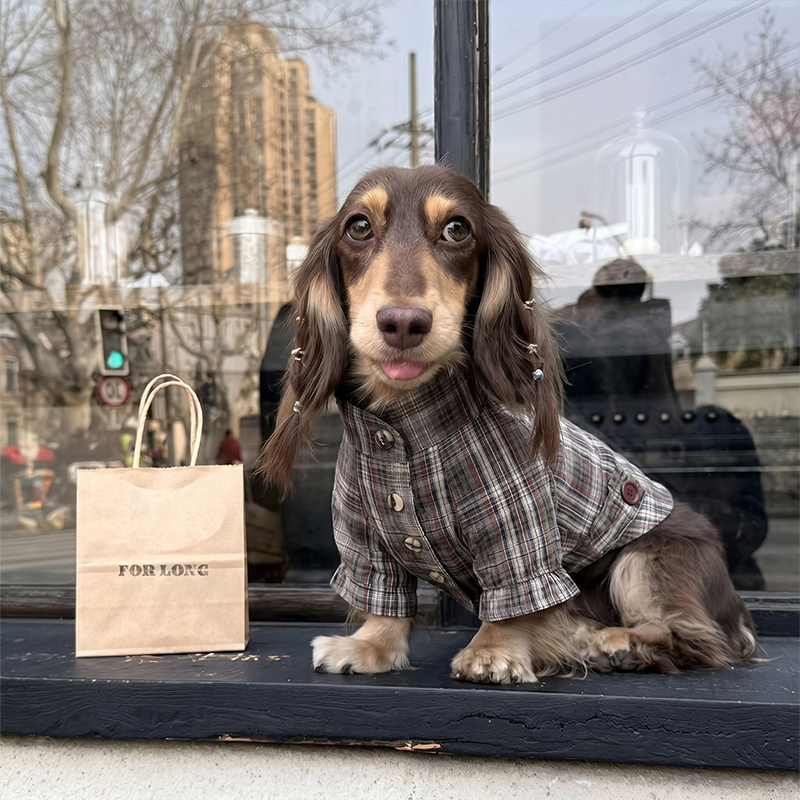
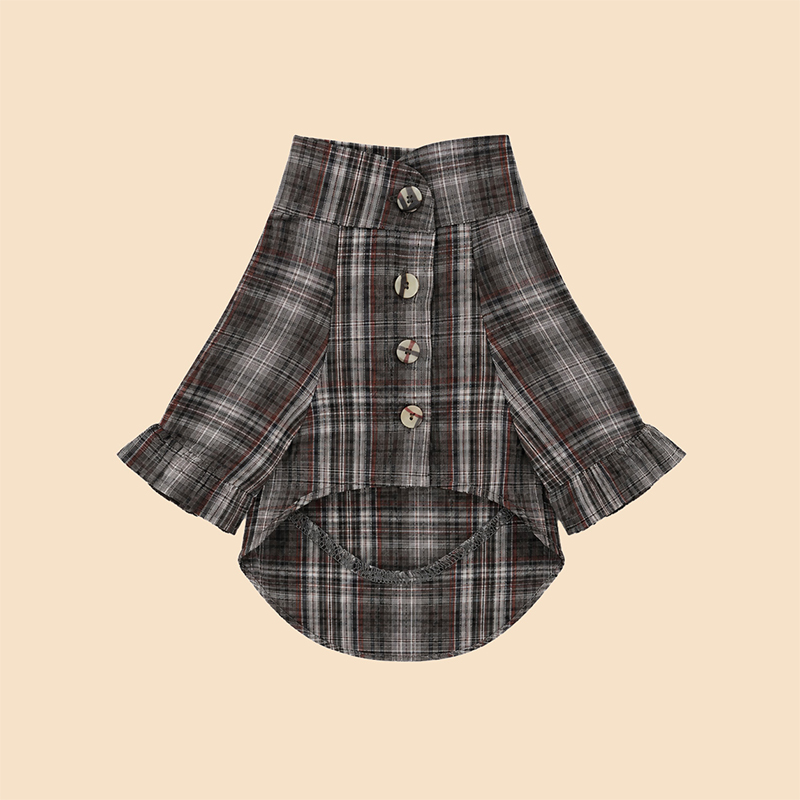
- Rustic Brown Plaid Dog Shirt Casual Outdoor Pet Wear
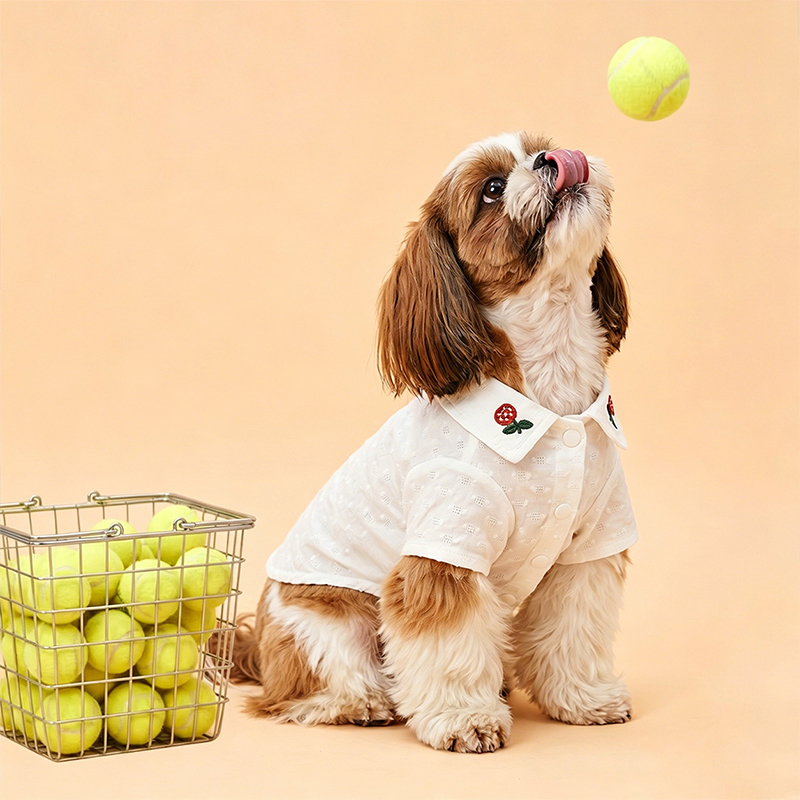
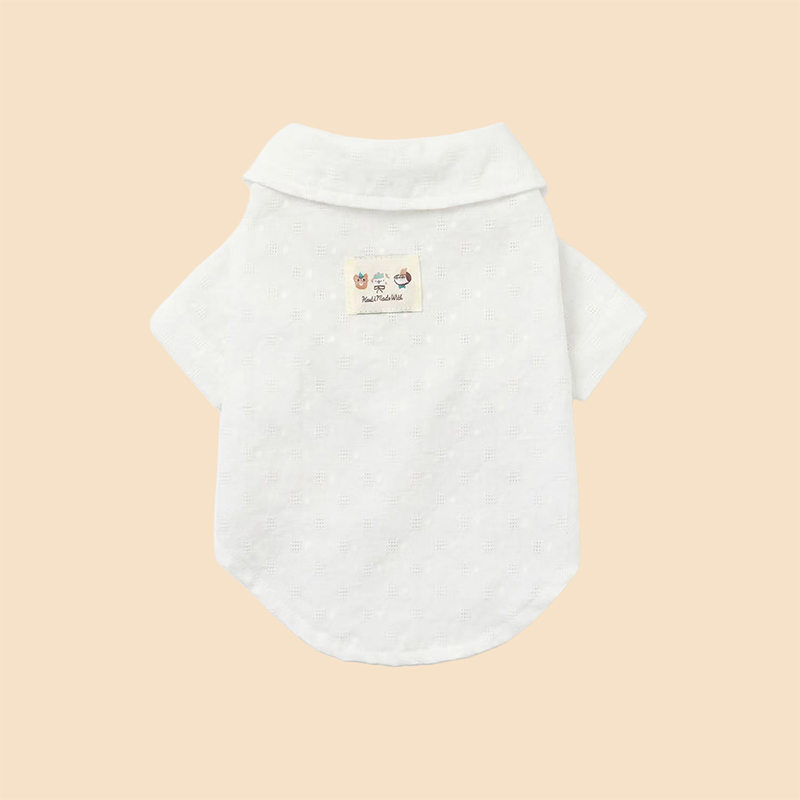
- Cream Embroidered Dog Blouse Elegant Pet Shirt
- Korean Style Pink Textured Tulle Camisole Small Dog Fashion Top
- Star & Letter Casual Pet T-Shirt Daily Wear Dog Top
Product Category
Recent Posts

Products
Contact Us
- +86-13362661217
- chenyuxin@feilepet.cn
- 128 Houxin Street, Hongjia, Jiaojiang, Taizhou, Zhejiang, China
Mobile Site
Copyright © Taizhou Feile Pet Products Co., Ltd. All rights reserved.
