
 English
 русский
 Español
 عربى


Lin Ruoqi — International Pet Apparel Sales Manager
Dog Cooling Shirt: A Lightweight, Customizable Summer Apparel Solution for Pet Brands
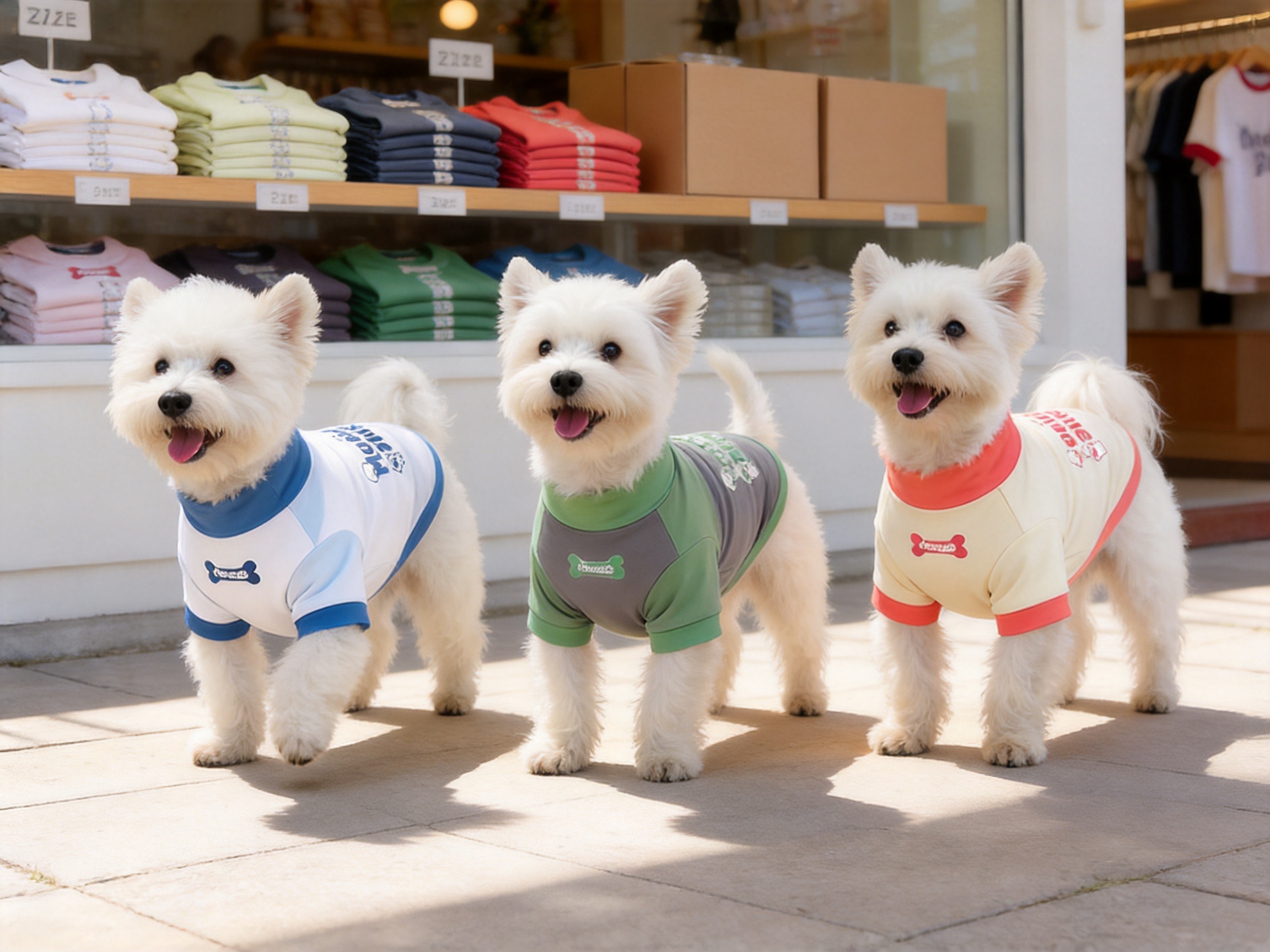
Warm-weather pet products are becoming an increasingly important part of seasonal retail planning. As more owners include dogs in outdoor activities, travel, walking routines, and daily family life, demand continues to grow for practical garments that support comfort without creating unnecessary bulk. The Dog Cooling Shirt Color-Block Lightweight Summer Pet Wear is designed for this market. It combines a modern visual appearance, lightweight cooling fabric, breathable construction, and an easy-to-wear pullover format suitable for small and medium dog breeds.
For wholesalers, distributors, private-label businesses, online retailers, and established pet brands, the product offers more than a single seasonal garment. It provides a commercially adaptable foundation for building a broader spring and summer dog apparel collection. Its clean color-block appearance can be developed in custom colorways, while the available size range, branding services, packaging options, and OEM/ODM capabilities allow buyers to align the product with different market positions and customer groups.
Manufactured by Taizhou Feile Pet Products Co., Ltd., the shirt is supported by an established production structure that includes design, pattern making, sewing, quality control, packaging, and export coordination. The manufacturer operates 48 fully automatic sewing production lines, employs a 77-person professional team, and reports a daily production capacity of approximately 3,000 pieces. With more than 800 pet apparel SKUs and 8–12 new styles introduced weekly, the company is positioned to support both individual product purchases and ongoing seasonal development programs.
Understanding the Summer Dog Apparel Opportunity
Dog apparel is no longer limited to winter coats, rain jackets, or special-event costumes. The category now includes a wide range of functional and lifestyle garments designed for different climates, activities, breeds, and consumer preferences. Summer shirts have become especially useful because they are lighter than insulated outerwear while still giving owners a practical way to dress their pets for warm-weather routines.
A summer dog shirt can serve several commercial purposes. It may be positioned as a comfortable everyday top, a coordinated fashion item, a seasonal promotional product, or part of a broader outdoor pet collection. It can also provide a simple entry point for retailers that want to expand from accessories into apparel without committing immediately to complicated multi-layer garments.
The Dog Cooling Shirt responds to this opportunity with a straightforward construction. Its lightweight cooling fabric is intended for spring and summer use, and the breathable structure is designed to support airflow during ordinary daily activities. The product is not presented as a substitute for shade, water, ventilation, or responsible hot-weather care. Instead, it functions as a lightweight apparel option that can be included in a carefully designed warm-weather pet assortment.
From a merchandising perspective, its simplicity is a strength. A product with a clear purpose is easier to explain in online listings, wholesale catalogs, store displays, and social media content. Retailers can communicate the key benefits through concise product photography and practical descriptions: lightweight material, breathable construction, modern color blocking, multiple sizes, and easy pullover wear.
Product Overview
The Dog Cooling Shirt Color-Block Lightweight Summer Pet Wear is categorized as a dog top and is intended for small and medium dog breeds. It is offered in six sizes: XS, S, M, L, XL, and XXL. This range gives buyers flexibility when developing collections for different body sizes, although final size selection should always be based on the individual dog’s measurements rather than weight alone.
The garment uses lightweight cooling fabric and is designed for spring and summer collections. Its pullover construction reduces the number of components required for putting the shirt on or taking it off. For customers, this can make the product easier to use during everyday routines. For manufacturers and buyers, a relatively simple pullover format can also support efficient production, consistent grading, and flexible customization.
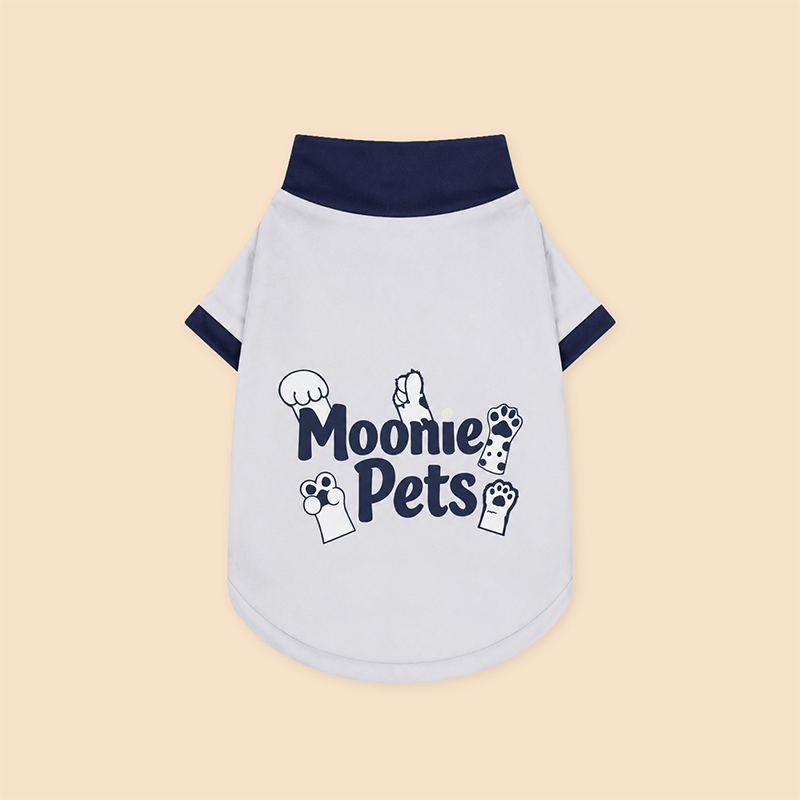
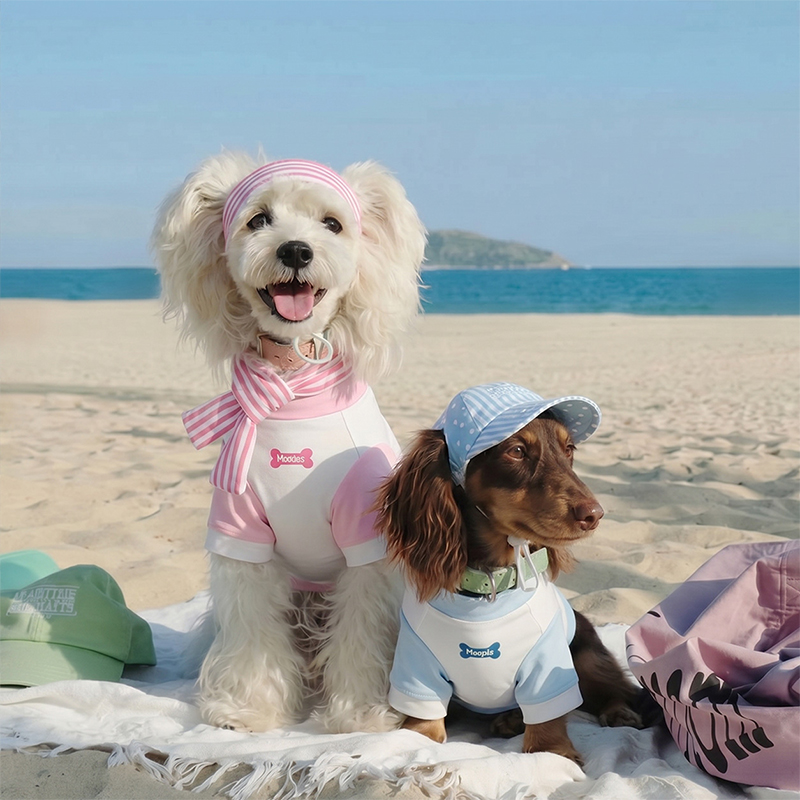
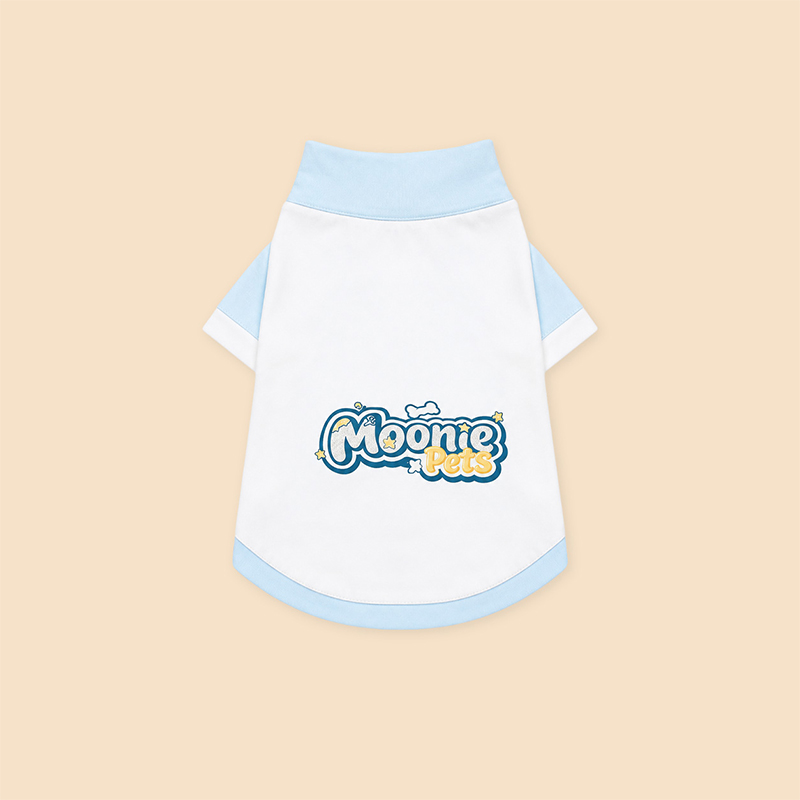
The color-block design gives the shirt a more distinctive visual identity than a plain single-color basic. Contrasting panels or coordinated color sections can create a sporty, modern, or fashion-oriented appearance depending on the chosen palette. Since custom colors are available, brands can adapt the product to their own identity, seasonal themes, regional preferences, or campaign requirements.
| Product Element | Specification | Commercial Relevance |
| Product type | Dog cooling shirt | Suitable for warm-weather pet apparel assortments |
| Category | Dog tops | Easy to position within everyday pet clothing collections |
| Suitable breeds | Small and medium dog breeds | Supports broad coverage within the compact and mid-size dog segment |
| Available sizes | XS, S, M, L, XL, XXL | Allows retailers to offer a complete size selection |
| Season | Spring and summer | Provides a clear seasonal merchandising opportunity |
| Material | Lightweight cooling fabric | Supports a light, comfortable warm-weather positioning |
| Construction | Breathable pullover style | Designed for airflow and convenient everyday use |
| Appearance | Modern color-block design | Creates opportunities for fashion-led and branded collections |
| Packaging | Standard export or customized packaging | Suitable for wholesale shipping and private-label presentation |
Lightweight Fabric for Warm-Weather Use
One of the most important product decisions in summer pet apparel is material selection. Heavy fabrics, dense linings, and excessive structure may be appropriate for cold-weather garments, but they can be unsuitable for warm conditions. The cooling shirt uses lightweight cooling fabric to support a less bulky wearing experience.
Lightweight material can provide several practical advantages. It may reduce the visual and physical heaviness of the garment, make storage and shipping more efficient, and help the shirt feel more suitable for daily wear. It also allows retailers to present the garment as a seasonal basic rather than an occasional specialty item.
The fabric choice is closely connected with the product’s breathable construction. Airflow is an important consideration when developing clothing for spring and summer. Although clothing cannot replace proper environmental temperature control, a breathable structure may help the garment feel less restrictive during ordinary activities such as short walks, indoor wear, travel, or supervised outdoor use.
Compared with heavier dog jackets or lined sweaters, this shirt is positioned for customers looking for a lighter layer. Compared with highly elaborate fashion garments, its simpler construction may be easier to wear, easier to care for, and more suitable for repeated use. These distinctions give retailers several ways to explain its value without relying only on decorative styling.
Product descriptions and consumer education should remain accurate. The term “cooling” should be used to describe the garment’s lightweight, warm-weather-oriented construction and material positioning. Owners should still provide access to clean drinking water, shade, ventilation, and rest, and they should monitor their pets during hot conditions. This responsible communication can improve consumer confidence and support a more credible brand image.
Color-Block Design as a Competitive Advantage
Visual differentiation is essential in a crowded pet apparel market. A basic shirt can easily appear interchangeable when it is presented only in a plain solid color. The color-block design gives this product an opportunity to stand apart while preserving a clean and commercially accessible appearance.
Color blocking can appeal to different retail strategies. Bright contrasts can support youthful, energetic, and outdoor-oriented collections. Muted combinations can fit premium lifestyle brands or minimalist product lines. Seasonal tones can be used for spring campaigns, summer promotions, travel collections, or coordinated owner-and-pet fashion programs.
For online retailers, color-block garments can also improve visual presentation. Distinct panels and carefully selected color combinations are easy to show in product photography, short videos, catalog layouts, and social media posts. A recognizable design may help customers identify the product quickly while browsing a large assortment of pet clothing.
The design also creates room for product line extensions. A brand may use the same basic silhouette in several colorways, offering customers a choice without changing the underlying construction. Another possibility is to coordinate the shirt with collars, leashes, harnesses, bandanas, beds, or travel accessories. This can help retailers increase average order value through matching products.
Compared with an entirely generic basic shirt, the color-block style offers a stronger initial visual proposition. Compared with complex garments featuring multiple closures, pockets, or decorative components, it remains relatively simple and practical. This balance between appearance and usability is one of the product’s key commercial strengths.
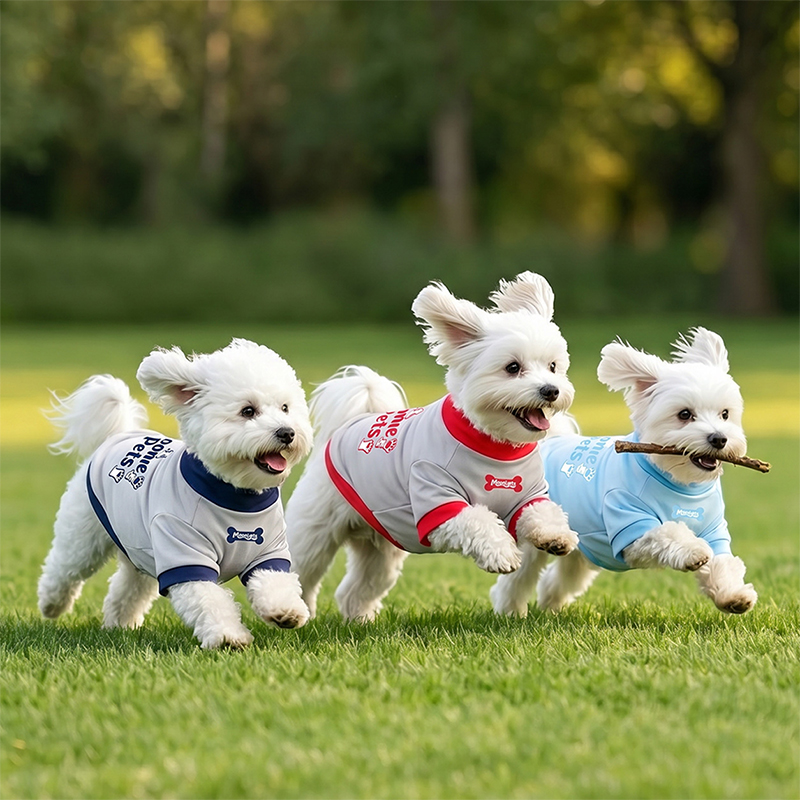
Dog Cooling Shirt Color-Block Lightweight Summer Pet Wear
Comfort and Everyday Wearability
Pet apparel succeeds when it is comfortable enough for regular use. A visually attractive item may receive poor reviews if it restricts movement, feels heavy, or is difficult to put on. The Dog Cooling Shirt is designed around a straightforward pullover format intended to support convenient everyday dressing.
A pullover garment can be useful for owners who want a quick clothing solution for walks, errands, travel, indoor use, or seasonal photographs. With fewer fastening components than a jacket or multi-panel costume, the format may reduce dressing time and simplify inventory management. It can also give the garment a clean appearance that works well in both casual and lifestyle-focused collections.
Comfort depends on correct sizing, body shape, fabric behavior, and the individual dog’s tolerance. The available measurements provide a starting point, but buyers should compare the neck, chest, and back length with a dog’s actual measurements. The chest is especially important because it affects ease of movement and overall fit. If a dog is between sizes or has an unusual body shape, a professional size review or sample fitting is recommended.
The shirt is intended for small and medium breeds, but breed labels alone are not sufficient for choosing a size. Dogs of the same breed can differ substantially in body length, chest circumference, muscle structure, and coat thickness. Retailers should make the measurement chart easy to find and explain that measurements should be taken while the dog is standing naturally.
Size Range and Measurement Guidance
The product is available from XS through XXL. The specification chart includes neck circumference, chest circumference, approximate back length, and approximate weight guidance. These figures support initial selection, but the measurements should be treated as product reference information rather than a guarantee of fit for every dog.
| Size | Neck | Chest | Approximate Back Length | Approximate Weight |
| XS | 22 cm | 33 cm | Approx. 22 cm | Approx. 3 lbs |
| S | 24 cm | 37 cm | Approx. 25 cm | Approx. 5 lbs |
| M | 30 cm | 44 cm | Approx. 29 cm | Approx. 5–8 lbs |
| L | 33 cm | 48 cm | Approx. 33 cm | Approx. 8–14 lbs |
| XL | 36 cm | 53 cm | Approx. 36 cm | Approx. 14–17 lbs |
| XXL | 40 cm | 58 cm | Approx. 39 cm | Approx. 17–22 lbs |
Neck measurement is useful for checking whether the pullover opening is likely to be comfortable. Chest measurement is generally the most important reference for ensuring that the shirt is not excessively tight around the body. Back length helps determine how much coverage the garment provides and whether the shape is appropriate for a particular dog.
Retailers selling internationally may wish to display both metric and imperial units. They may also choose to provide a short measurement guide with illustrations or plain-language instructions. Better size communication can reduce avoidable returns and improve customer satisfaction, especially in online sales where customers cannot inspect the product before purchase.
Advantages for Wholesalers and Retailers
The product offers several advantages for wholesale buyers. First, it has a clear seasonal purpose. Spring and summer products are easier to organize in planned collections, promotional calendars, and seasonal buying programs. Second, the product has a broad enough size range to support multiple customer groups within the small and medium dog segment. Third, the color-block design gives buyers a recognizable product story rather than a completely generic basic.
The lightweight construction may also be beneficial for logistics. Apparel that is not heavily padded or structurally complex can be easier to pack, store, display, and ship. Buyers should confirm final carton dimensions, unit weight, and packaging specifications during quotation and sampling, but the general construction is suitable for efficient seasonal inventory planning.
For online retailers, the shirt can be presented using several search and merchandising themes, including summer dog clothes, breathable dog tops, lightweight dog shirts, small dog apparel, medium dog apparel, color-block pet clothing, and seasonal pet fashion. These terms should be used accurately and supported by clear product photographs, measurement information, and care instructions.
For physical stores, the shirt can be displayed with other warm-weather items. It may fit within a summer travel section, an outdoor dog collection, a breed-size display, or a coordinated color story. The product’s clean design can work with both value-oriented and mid-range merchandising strategies, depending on the selected fabric details, packaging, branding, and retail presentation.
Customization and Private-Label Development
Customization is important for brands that want to avoid selling an indistinguishable product. The manufacturer provides options for garment color adjustments, size grading, seasonal collection development, and pattern modifications. These services allow buyers to treat the shirt as a starting platform for a private-label product rather than a fixed stock item.
Color adjustment is one of the most accessible customization methods. A buyer may select brand colors, seasonal tones, regional preferences, or coordinated palettes. For a larger collection, multiple colorways can be developed under one consistent product identity. Color approval should be handled through physical samples or agreed production references because screen displays may not represent final fabric colors accurately.
Size grading can be useful for brands serving different breed populations or markets. A retailer focused on toy breeds may require a different size balance from a distributor serving general small and medium dogs. Pattern modifications can also help buyers alter the visual proportions, panel arrangement, or fit characteristics of a collection. Any modification should be reviewed through samples to verify comfort, appearance, and production feasibility.
Branding options include embroidered logos, silicone logo applications, custom woven labels, wash labels, and hang tags. These options support different brand positions. Embroidery can create a traditional textile appearance, silicone applications may suit sporty collections, and woven labels can provide a clean private-label finish. Wash labels and hang tags can communicate material information, sizing, care instructions, and brand messaging.
Packaging customization is another important part of product development. A buyer may request branded polybags, inserts, hang tags, barcode labels, carton markings, or other retail-ready elements. Packaging requirements should be confirmed before production begins because they can affect material purchasing, assembly, carton planning, and lead time.
OEM and ODM Support
OEM and ODM services are valuable when a pet brand wants to develop a collection without building its own apparel production infrastructure. OEM production generally allows a buyer to manufacture according to an approved design, specification, color standard, and branding plan. ODM support may involve adapting an existing style, developing patterns, suggesting materials, or creating a collection based on a market brief.
Taizhou Feile Pet Products Co., Ltd. integrates design, production, and sales within its pet apparel operation. This integrated structure can simplify communication between the buyer and the production team. Instead of separating pattern development, sewing, quality inspection, and packaging among unrelated suppliers, the project can be coordinated through one manufacturing partner.
The company’s product coverage includes dog apparel, cat apparel, and small pet apparel, with more than 800 SKUs reported across these categories. This breadth can be useful for buyers that want to develop a wider pet lifestyle assortment. A partner familiar with several animal clothing categories may be better positioned to support cross-category concepts, coordinated fabrics, and consistent branding across product lines.
The reported launch rate of 8–12 new styles weekly indicates an active product development process. For buyers operating in fast-moving online channels, regular new-style development can be commercially useful. It gives brands more opportunities to test designs, refresh seasonal selections, and respond to changing market preferences. Buyers should still evaluate every style through samples and quality checks before placing volume orders.
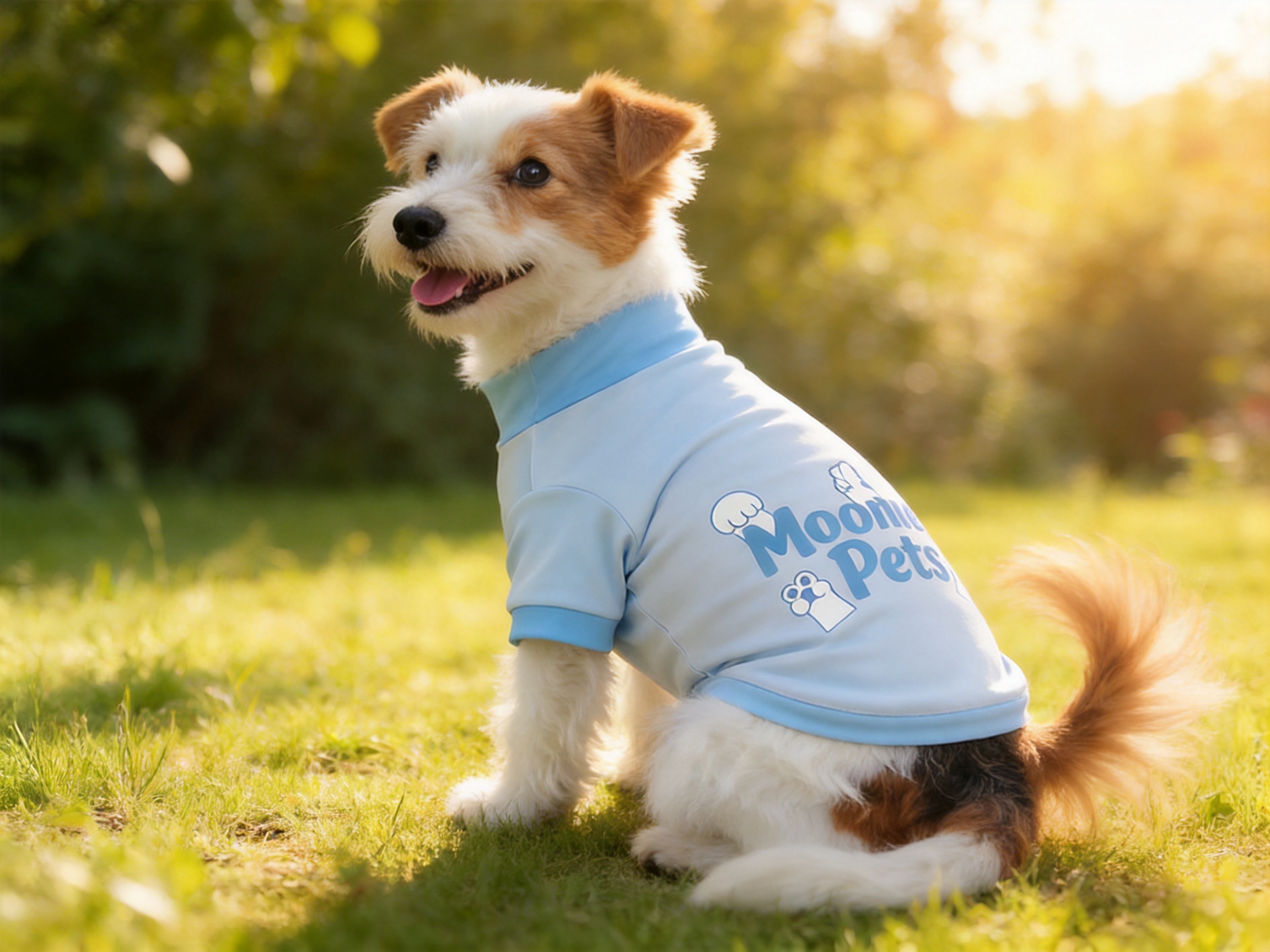
Manufacturing Infrastructure and Production Capacity
Manufacturing capability is a central consideration when selecting a pet apparel supplier. A product may look attractive at the sample stage, but commercial success depends on the supplier’s ability to reproduce the approved design consistently, meet delivery schedules, manage materials, and maintain quality throughout volume production.
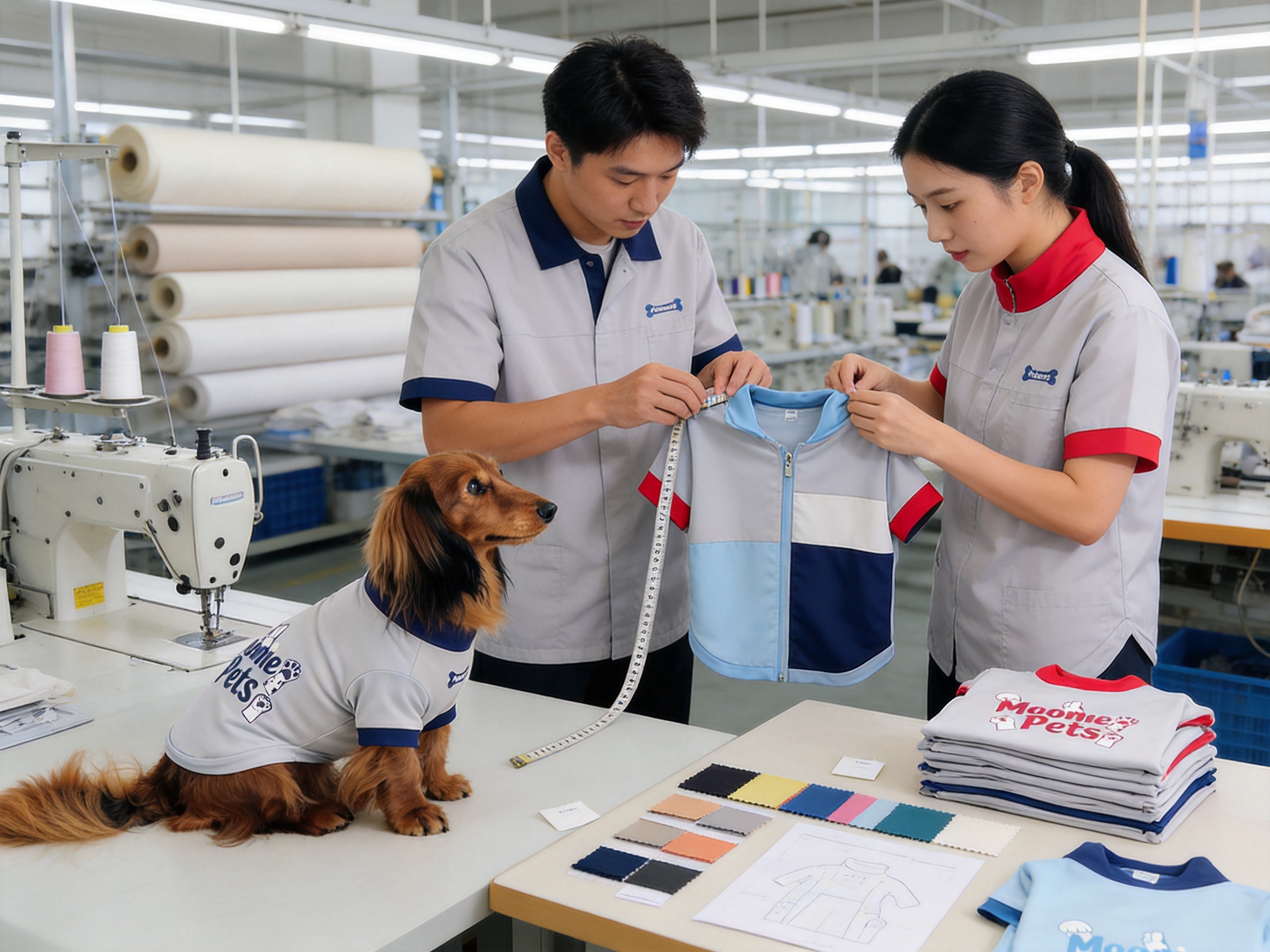
Taizhou Feile Pet Products Co., Ltd. reports five years of offline manufacturing experience and operates a 77-person professional team covering design, pattern making, production, and quality control. The company also reports 48 fully automatic sewing production lines and a daily capacity of approximately 3,000 pieces.
For buyers, production capacity can provide several potential advantages. It may support more reliable scheduling during seasonal demand periods, make it easier to handle repeat orders, and reduce the risk of overdependence on a single small production cell. It may also allow the supplier to manage different product categories and construction types within the same broader manufacturing organization.
Capacity alone does not guarantee quality. Effective apparel production also requires accurate patterns, appropriate material control, trained operators, process inspection, finished-product inspection, and clear communication of specifications. The value of the reported infrastructure lies in its combination with design, production, and quality-control functions.
Automatic sewing equipment can support repeatability in suitable operations, while experienced production personnel remain important for handling fabric behavior, assembly details, finishing, and inspection. A balanced manufacturing process combines machinery with technical judgment. This is especially relevant for pet apparel, where small changes in neck openings, chest shaping, seam placement, or fabric tension can influence comfort and appearance.
Production Process from Design to Shipment
Design and Market Planning
The process begins with product planning. For a shirt such as this one, the development brief may define the target season, dog-size range, desired appearance, fabric direction, color palette, retail price level, and branding requirements. The color-block concept can then be adapted to suit the buyer’s market while preserving the basic product identity.
Pattern Development
Pattern making determines how the garment pieces will fit together and how the finished shirt will sit on a dog’s body. Neck, chest, back length, arm openings, panel proportions, and seam allowances must be considered. When a buyer requests size grading or pattern modifications, the development team can adjust the pattern across the requested size range.
Material and Color Confirmation
Material selection and color approval should be completed before bulk production. The lightweight cooling fabric must be reviewed for appearance, hand feel, stretch or recovery characteristics where relevant, color consistency, and suitability for the intended construction. Buyers should approve physical samples or agreed standards rather than relying only on digital images.
Sample Development
Samples allow the buyer and manufacturer to evaluate the product before volume production. A sample review may cover measurements, stitching, panel alignment, logo placement, label position, packaging, and overall appearance. For pet apparel, it is also useful to assess whether the garment permits comfortable movement and whether the pullover opening is practical for the intended dog size range.
Cutting and Sewing
Once specifications are approved, fabric is prepared, cut, and assembled. Consistent cutting helps maintain panel symmetry and size accuracy. Sewing operations must follow the approved construction method, with attention to seam strength, thread quality, edge finishing, and the alignment of color-block sections.
In-Process Quality Control
Quality control should not be limited to the final packing stage. In-process inspection can identify issues such as uneven seams, incorrect component placement, measurement variation, color mismatch, or label errors while corrections are still possible. This approach can reduce rework and help protect delivery schedules.
Final Inspection and Packing
Finished garments are checked against the approved sample and order specifications. Typical checks may include size measurements, appearance, stitching, branding, color, cleanliness, quantity, and packaging. Products are then packed according to the agreed export or customized packaging plan and prepared for shipment.
Quality and Consistency Considerations
Pet apparel quality should be evaluated from both the owner’s and the pet’s perspective. Owners notice appearance, value, wash durability, and ease of use. Dogs experience the garment through movement, contact with the fabric, pressure around the neck and chest, and the overall weight and flexibility of the shirt.
Important quality points include accurate sizing, smooth and secure seams, consistent color-block alignment, stable labels, suitable thread tension, and a clean finish. The pullover opening should be checked for comfort and practical ease of use. The fabric should be reviewed for consistency across production lots, especially when the buyer plans repeat orders or several colorways.
Brand owners should establish a written quality standard before production. The standard may include approved measurements, acceptable tolerances, color references, logo dimensions, packaging details, and inspection procedures. Clear documentation helps reduce misunderstandings and gives both parties a common reference during production.
For repeat orders, the original approved sample should be retained as a reference whenever possible. Changes in fabric batches, trims, thread, labels, or production conditions can affect the final result. Maintaining a sample and written specification supports better continuity across future manufacturing cycles.
Order Terms and Commercial Planning
The standard minimum order quantity is 500 pieces per order. The minimum quantity for a single color is at least 300 pieces per color. These requirements are relevant for buyers planning inventory, color assortments, and launch budgets.
A 500-piece order can be divided among the available sizes, but the exact ratio should reflect the buyer’s target market. A retailer serving toy breeds may require more XS and S units, while a general small-and-medium-dog assortment may allocate more units to M, L, and XL. Historical sales data, customer demographics, and regional breed preferences can guide the size mix.
The single-color minimum of 300 pieces encourages buyers to plan colorways carefully. A business may choose one core color for a first launch, then add seasonal or promotional colors after the initial product has been tested. Another approach is to order two or more colors with clear merchandising roles, such as a neutral base palette and a brighter seasonal option.
The stated production lead time is 10–15 days after order confirmation and receipt of the deposit. This timeframe should be understood as a standard production estimate, subject to material availability, customization complexity, order size, approval speed, packaging requirements, and shipping arrangements. Buyers should confirm the final schedule in writing before placing an order.
Payment terms require a 50 percent deposit to confirm the order, with the remaining 50 percent balance paid before shipment. Importers should include the deposit, balance payment, freight, duties, inspection costs, packaging, customs processing, and warehousing in their full landed-cost calculation.
How the Product Compares with Other Dog Tops
The shirt’s competitive position comes from the combination of several moderate advantages rather than from one complicated feature. It offers a lightweight seasonal material, breathable construction, modern color blocking, six sizes, an easy pullover format, and extensive private-label support.
Compared with heavy winter apparel, it is more appropriate for spring and summer assortments. Compared with highly structured jackets, it may be easier to put on and more suitable for routine wear. Compared with plain single-color shirts, the color-block design offers stronger visual differentiation. Compared with fixed stock products, customization gives brands greater control over color, sizing, labels, packaging, and collection direction.
Competitor products may offer different strengths, including specialized technical fabrics, reflective details, adjustable fasteners, or extended size ranges. Buyers should compare products according to their target customer and intended use rather than assuming that one style is suitable for every market. The advantage of this shirt is its balanced position: functional enough for everyday summer use, visually distinctive enough for retail presentation, and simple enough to support efficient customization and production.
The product can be particularly attractive to businesses that want a reliable seasonal basic with a branded appearance. It does not require the complexity of a raincoat, insulated jacket, or multi-component costume. This can make it easier to integrate into a broader collection and easier for customers to understand.
Collection-Building Opportunities
A single cooling shirt can become the foundation of a wider seasonal range. A brand may develop several colorways, add matching accessories, or create different versions for different size groups. The same color-block language could be applied to cat apparel or small pet clothing, creating a consistent visual identity across categories.
Retailers may also combine the shirt with outdoor accessories such as leashes, collars, travel bowls, portable mats, or cooling-related pet products. These combinations can create themed displays and encourage multi-item purchases. Product bundles should be designed responsibly and should not imply that clothing alone prevents heat-related risks.
For promotional campaigns, the shirt may be used in spring launch events, summer travel collections, adoption events, pet photography campaigns, or social media challenges. Custom hang tags and packaging can explain the design concept, sizing process, and intended seasonal use.
For private-label brands, a consistent product architecture can help reduce development costs over time. Once a supplier understands the brand’s preferred label system, packaging format, color standards, and inspection requirements, future styles may be easier to coordinate. The first product should therefore be treated as the beginning of a supplier relationship rather than an isolated transaction.
Recommended Buyer Evaluation Process
Before placing a bulk order, buyers should request product samples and verify the details that matter most to their customer base. The evaluation should include the material, color, size measurements, garment weight, construction, seam finish, label placement, packaging, and overall appearance.
Buyers should test the shirt on representative dogs when possible. Testing across more than one body type can reveal whether the size chart is suitable for the intended market. Observations may include ease of dressing, movement, neck comfort, chest fit, back coverage, and whether the shirt stays in position during walking.
Color samples should be checked under natural and indoor lighting. Buyers should also review how the garment appears in product photography because some color combinations may look different on screens. If custom branding is required, logo samples should be examined for scale, position, color, durability, and visual balance.
Packaging should be reviewed as part of the product, not as an afterthought. A well-organized package can improve warehouse handling, reduce labeling errors, and support a more professional retail presentation. Buyers should confirm whether barcodes, size stickers, care labels, country-of-origin markings, and carton labels are required for their sales channels.
Responsible Product Communication
Marketing language should describe the product accurately and avoid exaggerated promises. Suitable wording may include lightweight summer dog shirt, breathable pet top, color-block dog apparel, warm-weather dog clothing, and pullover dog shirt. The garment can be described as designed for comfort during warm-weather use, but it should not be presented as a medical product or guaranteed solution for overheating.
Retail listings should explain that the shirt is intended for small and medium dog breeds and that customers should consult the measurement chart before ordering. The listing should also remind owners to supervise pets in warm conditions and to provide shade, water, and suitable rest areas.
Care instructions should be confirmed with the manufacturer based on the final fabric and decoration choices. Different logo applications, labels, and color combinations may have specific washing or drying requirements. Clear care guidance can help extend product life and reduce customer complaints.
Manufacturer Strengths and Partnership Value
Taizhou Feile Pet Products Co., Ltd. presents itself as a professional pet apparel manufacturer integrating design, production, and sales. Its headquarters and manufacturing base are located in Taizhou, Zhejiang, China, a region with established apparel and manufacturing capabilities.
The company reports five years of offline manufacturing experience and began operating its cross-border online division in November 2025. This combination of production experience and international online-business focus is relevant to global buyers that need support with communication, product development, and export-oriented order management.
The reported 48 fully automatic sewing production lines and 77-person professional team provide a substantial operational foundation for a pet apparel supplier. The team structure covers design, pattern making, production, and quality control, allowing projects to be managed across several stages instead of relying only on external service providers.
A daily production capacity of approximately 3,000 pieces may support wholesale replenishment and seasonal programs. Buyers with repeat demand can discuss capacity planning, material reservation, production calendars, and forecast-based ordering with the supplier. Advance planning is especially important for spring and summer launches because demand may be concentrated within a limited selling period.
The company’s coverage of dog, cat, and small pet apparel, together with more than 800 SKUs, provides a broad platform for product expansion. The reported development of 8–12 new styles each week also indicates an active approach to trend response and product renewal. For brands that need a regular flow of new products, this may be a meaningful supplier advantage.
Conclusion
The Dog Cooling Shirt Color-Block Lightweight Summer Pet Wear is a practical product for businesses developing spring and summer pet apparel collections. Its lightweight cooling fabric, breathable construction, pullover format, modern color-block appearance, and six-size range create a balanced proposition for small and medium dog clothing.
Its advantages over more generic alternatives include stronger visual differentiation, a clear seasonal purpose, easier everyday wear, and extensive customization potential. Compared with heavier or more complicated garments, it can be easier to merchandise, ship, store, and explain to customers. The product also provides a flexible foundation for private-label colorways, custom labels, branded packaging, and broader seasonal collections.
The manufacturing support behind the product is equally important. With integrated design and production services, 48 fully automatic sewing production lines, a 77-person professional team, a reported daily output of 3,000 pieces, more than 800 SKUs, and ongoing new-style development, Taizhou Feile Pet Products Co., Ltd. offers capabilities suited to wholesale, OEM, ODM, and long-term product development programs.
For the best results, buyers should confirm samples, measurements, materials, branding, packaging, inspection standards, order quantities, payment terms, and delivery schedules before production. When combined with accurate customer communication and responsible warm-weather pet care guidance, this shirt can serve as a dependable and commercially adaptable addition to a modern pet apparel range.
Questions and Answers
What type of product is the Dog Cooling Shirt?
It is a lightweight dog top designed for spring and summer use. The product features a color-block appearance, breathable construction, lightweight cooling fabric, and a pullover format for everyday wear.
Which dogs are suitable for this shirt?
The shirt is designed for small and medium dog breeds. Since body proportions vary among individual dogs, buyers should use the neck, chest, and back-length measurements instead of relying only on breed names or weight.
What sizes are available?
The available sizes are XS, S, M, L, XL, and XXL. The product chart provides approximate neck, chest, back-length, and weight references for each size.
Does the shirt provide guaranteed protection against overheating?
No. It is a lightweight warm-weather garment and should not be described as a substitute for shade, water, ventilation, rest, or veterinary care. Owners should supervise dogs in hot conditions and remove the garment if the dog shows discomfort.
What makes the color-block design useful for retailers?
The color-block design creates a stronger visual identity than a plain basic shirt. It can support modern, sporty, seasonal, premium, or coordinated pet lifestyle collections, depending on the selected colors and branding.
Can the colors be customized?
Yes. Custom colors are available. Buyers can discuss brand color matching, seasonal palettes, multiple colorways, and other garment color adjustments with the manufacturer.
Can private labels be added?
Yes. Available branding options include embroidered logos, silicone logo applications, custom woven labels, wash labels, and hang tags. Packaging customization can also be arranged.
Can the pattern or size grading be modified?
Yes. The manufacturer provides pattern modification, size grading, and seasonal collection development services. Any changes should be confirmed through samples before bulk production.
What is the minimum order quantity?
The standard minimum order quantity is 500 pieces per order. The stated single-color minimum is at least 300 pieces for each color.
What is the standard production lead time?
The stated production lead time is 10–15 days after order confirmation and receipt of the deposit. The final schedule may vary according to customization, material availability, order quantity, packaging, and approval timing.
What are the payment terms?
The standard payment terms are a 50 percent deposit to confirm the order and a 50 percent balance paid before shipment.
What packaging options are available?
The product can be supplied in standard export packaging or customized packaging. Buyers can discuss hang tags, labels, branded packing materials, carton markings, and other retail or logistics requirements.
Does the manufacturer produce other pet apparel?
Yes. The company’s product coverage includes dog apparel, cat apparel, and small pet apparel. It reports more than 800 SKUs and regular development of new styles.
What should buyers check before approving a bulk order?
Buyers should check the sample’s measurements, material, color, construction, logo placement, labels, packaging, and overall appearance. Testing the garment on representative dogs is also recommended when possible.
References
1. Product specifications and size chart supplied for the Dog Cooling Shirt Color-Block Lightweight Summer Pet Wear.
2. Manufacturer-provided company information concerning production lines, personnel, product categories, SKU coverage, and product development activity.
3. Manufacturer-provided customization, OEM/ODM, minimum-order, lead-time, packaging, and payment-term information.
4. General apparel product-development principles concerning pattern making, sample approval, production control, inspection, and packaging management.
5. General responsible pet-care guidance concerning shade, hydration, ventilation, supervision, and monitoring during warm-weather activities.
Product: Dog Cooling Shirt Color-Block Lightweight Summer Pet Wear

NEXT:Navy Star Pleated Dog Dress: A Premium Sailor-Inspired Option for Modern Pet Apparel Collections
- Lolita Cake Dress
- Cool Style Tassel Top Pet Lolita Dress
- Sweet Bow Princess Dog Dress
- Denim Pinafore Dress With Pockets Cute Casual Small Dog Outfit
- French Doll-neck Dog Dress Elegant Pet Wear
- Korean Sweet Lolita Dog Dress Cute Party Outfit
- Flutter Sleeve Dog Dress Lightweight Summer Pet Wear
- Ruffle Flutter Sleeve Pet Dress Cute Princess Style
- French Style Embroidered Dog Dress Elegant Pet Apparel
- Mint Green Heart Spaghetti Strap Tulle Dog Dress Princess Party Outfit
- Gingham Bow Dog Dress Cute Summer Pet Outfit
- Navy Star Pleated Dog Dress Elegant Casual Pet Wear
- Summer Sailor Dog Dress Nautical Style Pet Apparel
- Dog Cooling Shirt Color-Block Lightweight Summer Pet Wear
- Dog Printed High-Neck Base Layer Top Thermal Stretch Pet Underwear
- Lightning Racing Performance Sportswear Breathable Athletic Pet Shirt
- Rustic Brown Plaid Dog Shirt Casual Outdoor Pet Wear
- Cream Embroidered Dog Blouse Elegant Pet Shirt
- Korean Style Pink Textured Tulle Camisole Small Dog Fashion Top
- Star & Letter Casual Pet T-Shirt Daily Wear Dog Top
- +86-13362661217
- 13362661217@163.com
- 128 Houxin Street, Hongjia, Jiaojiang, Taizhou, Zhejiang, China
