
 English
 русский
 Español
 عربى


Lin Ruoqi — International Pet Apparel Sales Manager
Green Leopard Jacquard Christmas Pet Cape: A Distinctive Korean-Style Winter Apparel Solution for Modern Pet Brands
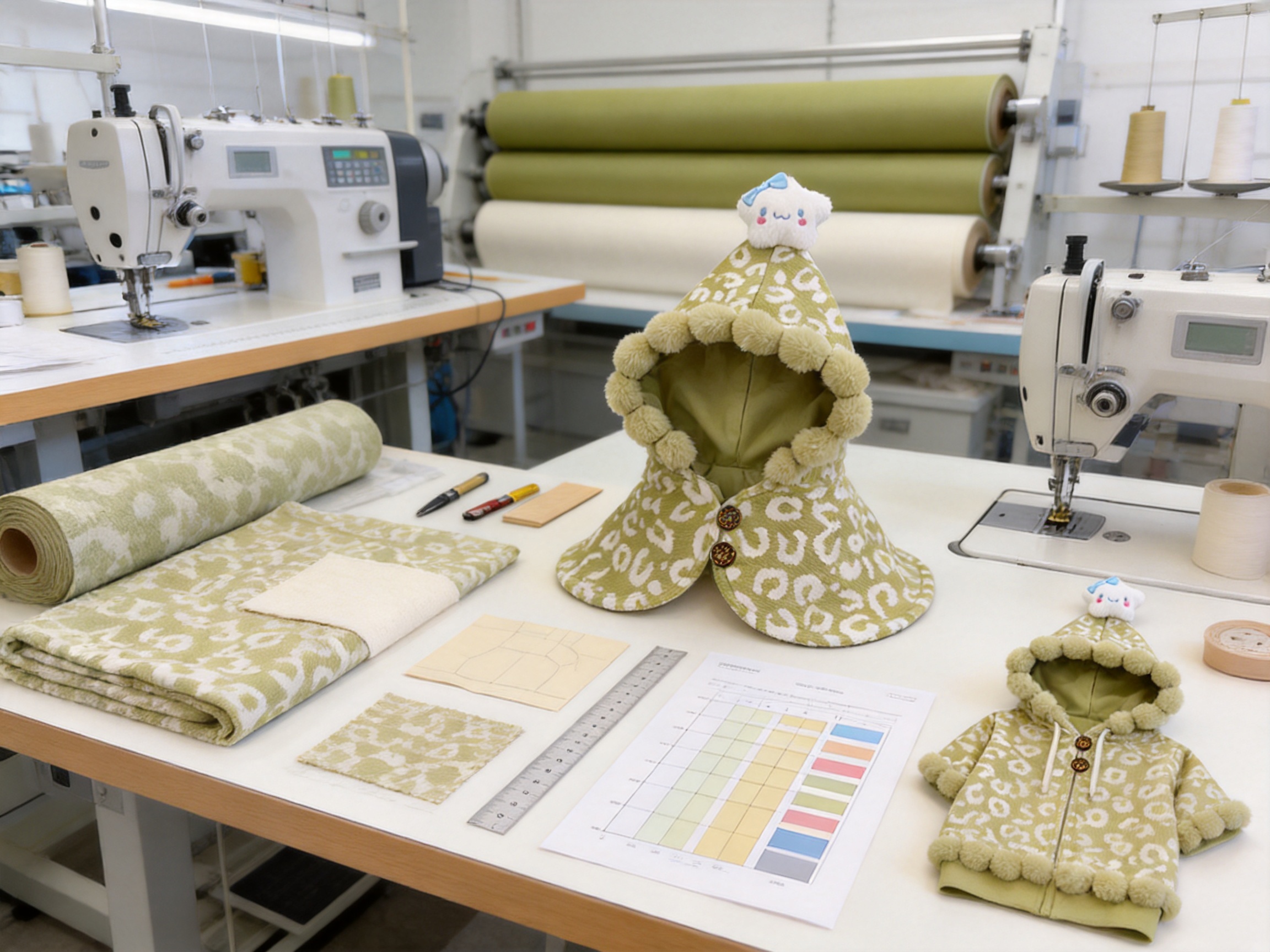
Pet apparel has developed from a purely functional category into a highly visual and commercially important part of the companion-animal market. Today, pet owners increasingly look for clothing that combines comfort, practical fit, seasonal appeal, and a recognizable fashion identity. Retailers and private-label brands, meanwhile, need products that can be produced consistently, customized efficiently, and integrated into coordinated collections. The Green Leopard Jacquard Christmas Pet Cape is designed to address these requirements through a combination of soft seasonal styling, flexible wearability, and production-ready customization.
This Korean-style winter cape uses a muted avocado green palette to reinterpret the traditional leopard pattern. Instead of relying on a high-contrast animal print, the design uses low-saturation color and jacquard texture to create a calmer, more refined appearance. Matching pom-pom trim adds a Christmas-inspired detail without making the garment excessively bright or costume-like. As a result, the cape can work in holiday displays while remaining suitable for autumn and winter collections, everyday walks, indoor wear, pet gatherings, and photography.
Its sleeveless fan-shaped structure is one of its most important practical advantages. The design leaves the legs free, reducing the restrictions that can sometimes occur with conventional four-leg pet coats. Pets can walk, turn, lie down, and move naturally without sleeves tightening around the forelegs. The relaxed lower hem also provides additional room for daily toilet use, while the generous chest and belly area makes the cape more adaptable to different body shapes.
For wholesale buyers, distributors, retailers, and private-label brands, this product offers more than an individual seasonal style. It can serve as a foundation for a coordinated pet apparel program that includes matching hoodies, alternative colors, custom jacquard patterns, branded trims, personalized labels, and retail-ready packaging. Its distinctive appearance also gives buyers an opportunity to offer customers something different from basic solid-color coats and heavily decorated Christmas costumes.
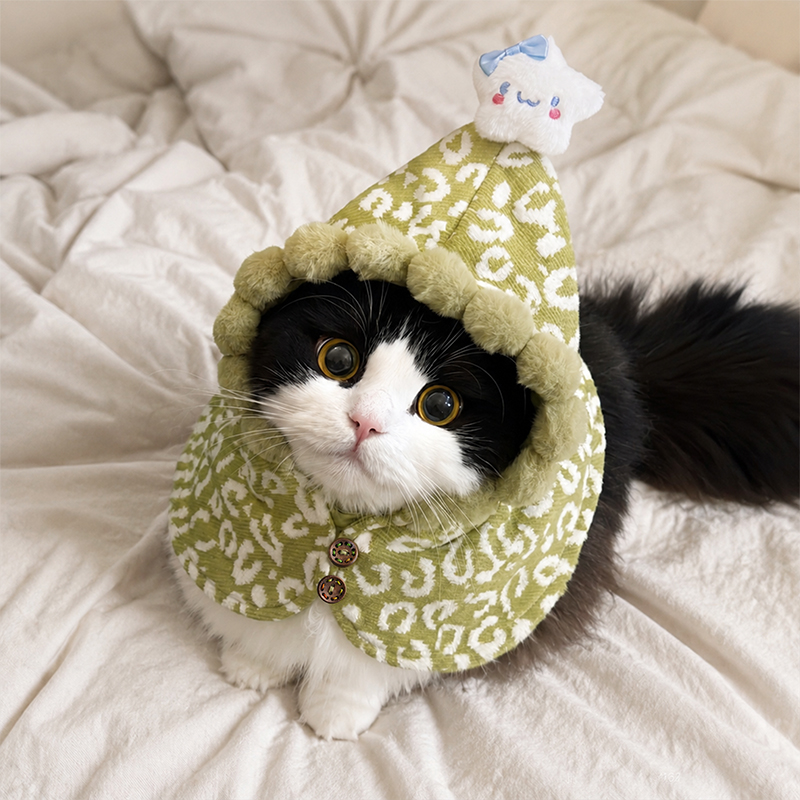
Green Leopard Jacquard Christmas Pet Cape Korean-Style Winter Wear
1. Product Overview and Market Position
The Green Leopard Jacquard Christmas Pet Cape is a small- and medium-sized pet garment intended for dogs and cats. It is available in six sizes, from XS through XXL, allowing buyers to serve a wider range of compact pets. The product is categorized as dog outerwear and a vest-style garment, but its cape construction gives it a broader application across both dog and cat apparel collections.
The product combines four primary design elements: a low-saturation avocado green color, leopard jacquard fabric, matching pom-pom trim, and a sleeveless fan-shaped silhouette. Each element contributes to a different commercial or functional benefit. The green color softens the visual impact of the leopard pattern. The jacquard construction adds surface interest without requiring excessive printed graphics. The pom-pom edge creates a seasonal cue. The cape shape supports freedom of movement and easier everyday use.
Many pet garments are designed around one dominant selling point. Some focus on warmth, some on novelty, and others on basic coverage. This cape takes a more balanced approach. It has a clear fashion identity, but it is not limited to one holiday event. It includes festive details, but the muted palette allows it to remain wearable after Christmas. It has a decorative silhouette, but the lack of sleeves helps maintain practical mobility.
For retailers, this balance can improve the product’s seasonal life cycle. A bright novelty costume may sell strongly for a short holiday window and then become difficult to merchandise. A completely plain coat may remain useful but lack visual differentiation. The Green Leopard Jacquard Christmas Pet Cape occupies the middle ground: it offers an obvious seasonal story while retaining enough understated styling for broader autumn and winter use.
The design is especially suitable for brands that want to build collections around soft Korean-inspired aesthetics. The overall appearance is gentle rather than aggressive, decorative rather than theatrical, and coordinated rather than overloaded. This makes the product suitable for boutique pet stores, online lifestyle shops, seasonal gift collections, pet photography studios, and private-label brands seeking a recognizable visual direction.
Core Product Specifications
| Specification | Details |
|---|---|
| Product | Green Leopard Jacquard Christmas Pet Cape Korean-Style Winter Wear |
| Suitable Pets | Small and medium-sized dogs and cats |
| Available Sizes | XS, S, M, L, XL, XXL |
| Season | Autumn and winter |
| Style | Korean-style Christmas cape |
| Material | Low-saturation green leopard jacquard fabric with matching pom-pom trim |
| Color | Avocado green |
| Primary Uses | Daily walks, indoor winter wear, Christmas dressing, pet gatherings, and photography |
| Packaging | Standard export packaging or customized retail packaging |
2. Avocado Green and Leopard Jacquard: A More Refined Seasonal Appearance
Color is one of the first factors influencing a customer’s decision in pet fashion. The avocado green tone used in this cape gives the product an immediately recognizable identity while avoiding the visual intensity associated with traditional red, black, or high-contrast leopard designs. Its muted character makes it easier to coordinate with neutral pet accessories, winter photography backgrounds, and modern home interiors.
The color also supports a wider styling range. It can be presented as a Christmas product because of the pom-pom trim and seasonal collection context, but it can also be displayed among autumn greens, woodland-inspired themes, Korean-style fashion, or soft winter color stories. This versatility is useful for retailers that do not want to limit a product to a short holiday sales period.
The leopard pattern is created through jacquard texture rather than depending only on a large printed image. Jacquard fabric can introduce pattern and depth into the textile structure, giving the surface a more dimensional appearance. This approach can make the garment look more substantial and fashion-oriented than a basic flat printed cape. It also supports a quieter interpretation of animal print, which may appeal to customers who enjoy pattern but prefer a softer aesthetic.
From a merchandising perspective, the combination of avocado green and leopard texture offers several advantages. It can become a hero product in a winter display because it has a clear visual signature. It can also be grouped with natural-toned collars, green accessories, cream-colored blankets, wooden props, and neutral packaging. For social-media photography, the textured surface helps create visual interest even when the garment is shown against a simple background.
The matching pom-pom trim reinforces the seasonal message. Rather than adding multiple layers of unrelated decorations, the trim follows the main color direction and maintains a coordinated appearance. This restraint is important for modern pet brands. Customers often want festive products that look attractive in photographs without appearing too exaggerated or uncomfortable for the animal.
Advantages Compared with Basic Printed Pet Capes
Compared with a simple printed cape, the jacquard construction can provide a more tactile and structured visual effect. The pattern is integrated into the fabric appearance, allowing the product to communicate a higher level of textile detail. This can help retailers position it above low-cost novelty garments that rely on a single flat graphic or a generic holiday print.
The low-saturation color is another point of differentiation. A traditional leopard print often uses strong yellow, brown, and black contrasts. That combination may not suit every customer or every pet. The avocado green version offers the recognizable concept of leopard pattern while making it more approachable for customers who prefer contemporary, muted fashion.
The product is also differentiated by its ability to serve several occasions. It can support Christmas campaigns, but it is not restricted to a one-day event. Daily walks, indoor wear, winter gatherings, and pet photography extend its potential use. This broader application can help reduce the risk associated with highly specialized seasonal inventory.
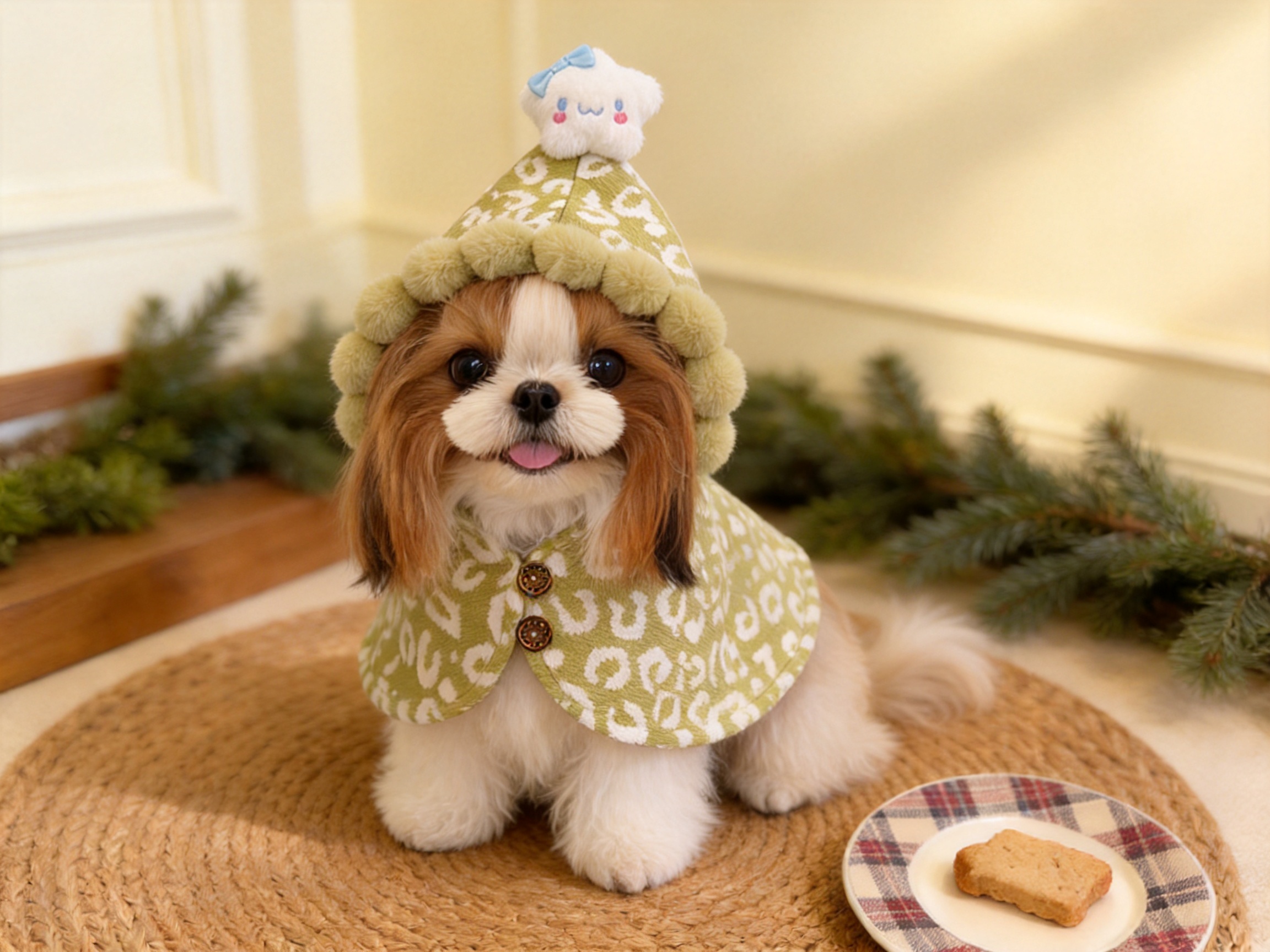
3. Sleeveless Fan-Shaped Construction for Everyday Mobility
Pet garments must do more than look attractive. They must allow animals to move comfortably and must be practical for owners to put on, remove, and use during daily routines. The sleeveless fan-shaped construction of this cape addresses these concerns by creating coverage around the chest and body while leaving the legs free.
Traditional sleeve-based garments can sometimes create fit challenges, particularly when a pet has a broad chest, short legs, a narrow waist, or a body shape that does not match a standard pattern block. Sleeves may also affect the way an animal walks if they are too narrow, too long, or positioned incorrectly. By omitting sleeves, this cape reduces one area of potential restriction and provides a simpler silhouette for a variety of small and medium-sized pets.
The fan-shaped structure allows the lower body area to spread naturally. This relaxed construction can make the garment easier to position across different body shapes. It also supports the product’s visual identity: instead of resembling a miniature human jacket, it has the flowing appearance of a cape, which is especially suitable for Korean-inspired styling and seasonal photography.
Freedom around the legs is beneficial for several common activities. Pets can walk during short outdoor outings, turn around indoors, sit, lie down, and move between rooms without sleeve fabric gathering around the joints. Of course, individual comfort depends on correct sizing, body proportions, and the animal’s personal tolerance of clothing. Buyers should use the provided measurements rather than relying only on breed names or estimated weight.
The relaxed lower hem is also designed with everyday toilet use in mind. A garment that extends too far beneath the abdomen can create inconvenience and require frequent adjustment. The cape’s open, flowing lower shape leaves more room in this area. This does not eliminate the need to check the fit of every individual pet, but it improves the practicality of the silhouette compared with tighter full-body designs.
Generous Chest and Belly Space
The chest and belly area is particularly important when designing pet clothing. Pets of the same weight may have very different proportions. One may have a compact body, while another may have a deeper chest or longer back. The product’s generous chest and belly space is intended to accommodate this variation more comfortably than a narrow, rigid garment.
For retailers, a forgiving silhouette can also reduce customer hesitation. Shoppers may be more willing to purchase a cape when they believe it can accommodate normal differences in body shape. Nevertheless, product listings should clearly show the neck, chest, and back-length measurements so that customers can make informed choices.
4. Size Selection and Fit Guidance
The product is offered in six sizes: XS, S, M, L, XL, and XXL. The size chart includes neck, chest, back length, and approximate pet weight. Weight is useful as a general reference, but chest and back measurements should receive priority because body proportions vary considerably between breeds and individual animals.
| Size | Neck | Chest | Approximate Back Length | Suggested Weight Range |
|---|---|---|---|---|
| XS | 22 cm | 33 cm | Approx. 22 cm | Approx. 3 lb |
| S | 24 cm | 37 cm | Approx. 25 cm | Approx. 5 lb |
| M | 30 cm | 44 cm | Approx. 29 cm | Approx. 5–8 lb |
| L | 33 cm | 48 cm | Approx. 33 cm | Approx. 8–14 lb |
| XL | 36 cm | 53 cm | Approx. 36 cm | Approx. 14–17 lb |
| XXL | 40 cm | 58 cm | Approx. 39 cm | Approx. 17–22 lb |
To select a size, measure the pet while standing in a natural position. The neck should be measured around the base of the neck where the cape will sit. The chest should be measured around the fullest part of the rib cage. The back length should be measured from the base of the neck toward the intended lower edge of the garment. Measurements should be compared with the chart before ordering.
If a pet falls between sizes, the best choice may depend on body shape and the intended level of looseness. A slightly more relaxed fit may be appropriate for a cape, but excessive looseness can cause the garment to shift during movement. A fit that is too tight may reduce comfort around the chest. Retail listings should recommend checking all available measurements rather than choosing solely according to weight.
For wholesale and private-label customers, custom size grading and fit adjustments are available. Buyers serving a particular breed group, regional market, or specialized pet segment can discuss revised proportions, expanded size ranges, or alternative grading requirements during product development.
5. Suitable Use Scenarios
Daily Walks
The sleeveless silhouette makes the cape suitable for short daily walks and casual outdoor use in autumn and winter. The legs remain unobstructed, which supports ordinary walking movement. The design is particularly appropriate for owners who want a light fashion layer rather than a highly technical outdoor coat.
Retailers can position the product alongside leads, collars, harnesses, seasonal accessories, and small pet gift items. The avocado green color offers a strong opportunity for coordinated merchandising. A collection can include matching accessories in green, cream, brown, or natural tones without requiring every item to use the same pattern.
Indoor Winter Wear
Many pets wear clothing indoors during cooler seasons, especially in homes where owners prefer a comfortable decorative layer. The cape is suitable for this purpose because its open, sleeve-free shape can be less restrictive than a close-fitting jacket. It can be offered as a cozy fashion item for indoor lounging, holiday visits, or home photography.
Product communication should present it as autumn and winter apparel without making unsupported technical claims about insulation or extreme-weather protection. It is a fashion-oriented cape made for seasonal wear, not a substitute for specialized cold-weather equipment in severe outdoor conditions.
Christmas Styling and Pet Gatherings
The pom-pom trim and leopard jacquard texture give the cape a clear place in Christmas collections. It can be used for holiday gatherings, family photographs, pet parties, seasonal store displays, and gift campaigns. The restrained green palette may appeal to customers who want Christmas styling without relying on bright red or heavily themed graphics.
Pet Photography
Texture, color, and silhouette are especially valuable in pet photography. The avocado green surface can contrast attractively with cream, beige, white, wood, and winter greenery. The fan-shaped cape provides a visible outline around the body, while the pom-pom trim adds a small amount of movement and detail in close-up images.
For professional photographers and content creators, the product can contribute to seasonal editorial shoots, online shop imagery, social-media campaigns, and holiday greeting photographs. Its recognizable visual identity may also help brands create consistent campaign images across a broader collection.
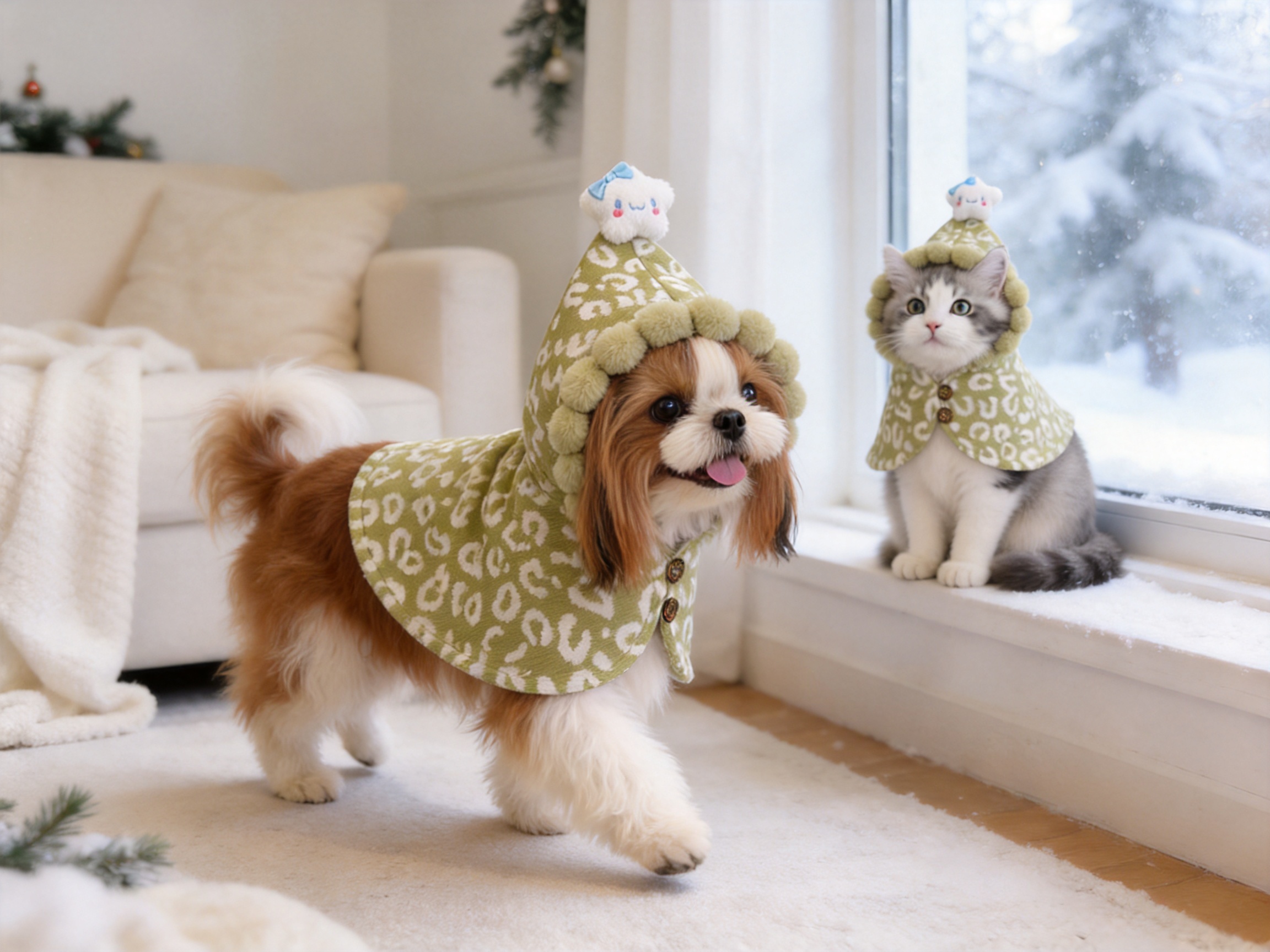
6. Collection-Building and Private-Label Potential
A major strength of this product is its ability to function as part of a collection rather than as an isolated item. The existing product concept can be coordinated with matching green leopard hoodies, creating a common fabric and color story across different silhouettes. Retailers can offer customers a choice between a cape and a hoodie while maintaining visual consistency.
A coordinated collection can improve merchandising efficiency. Instead of promoting each item independently, a brand can build a seasonal campaign around one recognizable pattern. Product pages, email campaigns, store displays, and social-media content can all use the same avocado green leopard concept. This may help create stronger product recognition and encourage customers to purchase multiple items for different pets or occasions.
Customization options extend the collection opportunity. Buyers can request custom colors and jacquard patterns according to their seasonal direction. Trim colors can be adjusted to match a brand palette or to coordinate with additional garments. Decorative details can also be revised for a more minimal, more festive, or more premium appearance.
Custom size grading is available for buyers who require different proportions. This is useful for brands specializing in particular pet categories, such as toy breeds, compact cats, or small mixed-breed pets. Fit adjustments can be discussed during sample development so that the final product aligns with the intended customer base.
Branding options include logo embroidery, heat-transfer printing, and silicone or rubber logo applications. These options allow buyers to select a branding method that suits the product’s surface, price point, and visual direction. Woven labels, wash labels, hang tags, and branded packaging can also be added to create a more complete private-label presentation.
Customization Possibilities
| Customization Area | Available Direction | Potential Business Use |
|---|---|---|
| Color | Custom color development | Match seasonal palettes or brand guidelines |
| Jacquard Pattern | Custom pattern development | Create exclusive private-label collections |
| Trim | Custom trim colors and decorative details | Coordinate with other garments and accessories |
| Fit | Custom size grading and adjustments | Serve specific breeds, markets, or pet categories |
| Logo | Embroidery, heat transfer, silicone, or rubber applications | Add visible brand identification |
| Labels | Woven labels and wash labels | Support professional retail presentation and care information |
| Packaging | Custom hang tags and branded retail packaging | Improve shelf presentation and unboxing experience |
7. Manufacturing Capabilities Supporting Consistent Supply
The product is manufactured by Taizhou Feile Pet Products Co., Ltd., a pet apparel manufacturer based in Taizhou, Zhejiang, China. The company integrates design, pattern making, production, quality control, and sales support. Its manufacturing experience includes five years of offline production, while its cross-border online division officially began operating in November 2025 to provide one-stop OEM and ODM services for international sellers and brands.
The company operates 48 fully automatic sewing production lines and has a professional team of 77 people. Its reported daily production capacity is 3,000 pieces. These resources are significant for buyers who need more than a one-time sample. A factory with dedicated production lines and an organized technical team can support repeated orders, seasonal replenishment, and coordinated product development more effectively than a trading-only supplier.
The manufacturing structure covers several stages of product development. Design teams can work on the visual direction, color combination, seasonal details, and collection coordination. Pattern-making personnel can translate the cape concept into a repeatable garment structure. Production teams can then assemble the product according to approved specifications, while quality-control personnel inspect the finished goods and monitor consistency.
For a jacquard cape with pom-pom trim, process coordination is particularly important. The fabric pattern, color, trim, silhouette, and size grading need to work together. A change to one component can influence the appearance and balance of the entire garment. A structured production system helps buyers manage these details through sampling, approval, and bulk manufacturing stages.
Design and Pattern Development
Design development begins with the product concept and intended market. For this cape, the key direction is Korean-inspired seasonal styling with an understated animal pattern. The design team can evaluate color saturation, jacquard scale, trim placement, cape width, neckline shape, and the relationship between decorative details and practical movement.
Pattern development converts these decisions into measurable components. Neck, chest, back length, lower hem width, and opening proportions must be graded across the six available sizes. Because small pets can have significant body-shape differences, the pattern must balance a comfortable fit with a stable appearance during wear.
Sampling provides an opportunity to review the result before bulk production. Buyers can evaluate the color, fabric texture, trim, proportions, logo placement, and packaging direction. For customized projects, sample development can also reveal whether a revised pattern or decorative application needs adjustment before the order is confirmed.
Automatic Sewing Production Lines
The use of 48 fully automatic sewing production lines supports organized manufacturing at scale. Automatic and standardized sewing operations can improve repeatability when production specifications have been approved. For wholesale customers, repeatability is important because buyers expect the second production run to remain consistent with the first in overall appearance, dimensions, and construction.
Production-line organization also helps the factory manage different product categories. The company’s product range includes dog apparel, cat apparel, and small pet apparel, with more than 800 total stock-keeping units. This broad experience gives the production team exposure to different silhouettes, fabric textures, seasonal themes, and decorative requirements.
The company reports launching between 8 and 12 new styles each week. This development pace indicates an active approach to seasonal design and market response. For buyers, a continuously developing product library can make it easier to source complementary products and build collections rather than selecting from a limited number of repeated basics.
Quality Control and Production Coordination
Quality control is integrated into the company’s professional team structure. For a product such as this cape, relevant inspection points may include fabric appearance, color consistency, jacquard pattern placement, trim attachment, seam quality, dimensional accuracy, logo application, label placement, and packaging requirements.
Quality inspection should take place in accordance with approved samples and confirmed production specifications. Buyers can communicate their inspection standards during the development stage, including any requirements for measurement tolerance, packaging method, labeling, carton marks, or shipment documentation.
Because the company supports design, pattern making, production, and quality control under one manufacturing operation, communication can be more direct than in a fragmented supply chain. This can help reduce misunderstandings between design changes and production execution. It also gives buyers a single point of coordination for sampling, bulk manufacturing, private labeling, and shipping support.
8. OEM and ODM Services for International Buyers
The product is suitable for both OEM and ODM cooperation. OEM buyers may provide their own brand direction, labels, packaging requirements, color standards, or logo artwork while using the established cape concept as a production base. ODM buyers may request support in developing a customized version from the existing design language, including alternative colors, patterns, trims, proportions, or coordinated products.
For private-label brands, the most efficient approach is usually to define the target customer and sales channel before making detailed customization decisions. A boutique retailer may prefer subtle labels and premium packaging. An online seasonal seller may prioritize strong product photography and a memorable color story. A distributor may need a balanced selection of sizes and standardized packaging for multiple markets.
Branding should be planned together with the fabric and trim. Embroidery may be appropriate for a visible premium identity, while heat transfer can support a cleaner and lighter presentation. Silicone or rubber applications may provide a contemporary appearance. Woven labels can be placed in areas that do not interfere with the cape’s decorative silhouette.
Packaging can also influence the product’s commercial presentation. Standard export packaging is available for buyers with existing repacking or distribution systems. Customized retail packaging can be developed for brands that want the product to arrive ready for store shelves or direct-to-consumer fulfillment. Hang tags may include size information, care guidance, brand messaging, and seasonal storytelling.
9. Order Terms and Production Planning
The standard minimum order quantity is 500 pieces per order. The single-color minimum is at least 300 pieces for each color. These quantities are suitable for wholesalers, distributors, retailers, and private-label brands that are planning a meaningful seasonal launch rather than a very small test purchase.
The stated production lead time is 10 to 15 days after order confirmation and receipt of the deposit. Actual scheduling may vary depending on customization complexity, fabric development, sampling requirements, order size, production capacity, and packaging specifications. Buyers should confirm the production schedule before placing a time-sensitive seasonal order.
The standard payment terms are a 50 percent deposit to confirm the order, with the remaining 50 percent balance paid before shipment. For customized designs, private-label orders, and large-volume purchases, buyers should request detailed pricing, production scheduling, sample arrangements, and quality-inspection procedures.
| Order Item | Standard Arrangement |
|---|---|
| Minimum Order Quantity | 500 pieces per order |
| Single Color Minimum | At least 300 pieces per color |
| Production Lead Time | 10–15 days after order confirmation and deposit receipt |
| Payment | 50% deposit; 50% balance before shipment |
| Packaging | Standard export packaging or customized retail packaging |
| Shipping Support | Worldwide shipping support available |
Seasonal planning is especially important for Christmas collections. Buyers should allow time for concept approval, sample review, logo confirmation, packaging development, production, inspection, and transportation. Early communication can also improve the opportunity to develop a custom color or jacquard pattern rather than selecting only from existing options.
10. Competitive Advantages for Wholesalers and Retailers
The first competitive advantage is visual differentiation. The avocado green leopard jacquard surface gives the cape a recognizable identity that is distinct from plain fleece vests, standard red Christmas costumes, and generic printed coats. The pattern remains visually interesting while the muted color makes it easier to merchandise across a broader seasonal palette.
The second advantage is functional simplicity. The sleeveless cape design reduces the fit and movement challenges associated with sleeves. It is easier to position on a pet and leaves the legs free. The relaxed lower hem supports practical daily use, including room for toilet routines. This combination of fashion and usability can make the product more appealing to customers who want a garment that looks special but does not feel overly complicated.
The third advantage is seasonal flexibility. Although the product has Christmas styling, its understated color and Korean-inspired appearance allow it to remain relevant through autumn and winter. Retailers can introduce it in early seasonal campaigns, feature it in Christmas promotions, and continue offering it for winter walks and indoor wear afterward.
The fourth advantage is collection compatibility. Matching green leopard hoodies and other custom products can be developed to create a consistent product family. A coordinated collection gives brands more opportunities for cross-selling and helps customers recognize the design theme across different garments.
The fifth advantage is manufacturing support. The supplier has a reported daily capacity of 3,000 pieces, 48 automatic sewing production lines, a 77-person professional team, and more than 800 pet apparel SKUs. These capabilities support both established products and customized development. Buyers can work with one manufacturer for sampling, pattern adjustments, bulk production, quality inspection, labeling, packaging, and shipping coordination.
The sixth advantage is the ability to serve different business models. A distributor may order standard production with export packaging. A boutique retailer may request custom labels and hang tags. A private-label brand may commission a new jacquard pattern and colorway. A growing online seller may begin with an existing style and later develop a larger coordinated line.
11. Responsible Product Communication
Accurate product communication is essential for customer satisfaction. This cape should be presented as fashion-oriented autumn and winter pet apparel for small and medium-sized dogs and cats. Its design provides seasonal coverage and decorative appeal, but it should not be described as a technical extreme-weather coat unless additional testing and construction support such claims.
Retail product pages should include the full size chart, measurement instructions, material description, color name, intended use, and care information where applicable. Because the product has a relaxed cape silhouette, customers should understand that the fit is intentionally different from a close-fitting jacket. Images should show the garment from multiple angles so buyers can evaluate the neckline, chest area, side opening, lower hem, and trim.
It is also helpful to state that pets should be supervised when wearing clothing, particularly during initial use. The owner should check that the garment does not interfere with movement, breathing, harness placement, or normal behavior. If a pet shows discomfort, the garment should be removed and the fit reassessed.
12. Recommended Merchandising Strategy
For a Christmas launch, retailers can present the cape as the central item in a soft green seasonal collection. Instead of using only red and white decorations, merchandising can include natural wood, cream textiles, muted gold accents, evergreen branches, and neutral backgrounds. This setting reinforces the product’s gentle Korean-inspired character.
Online sellers can organize product content around three themes: appearance, comfort, and collection coordination. The appearance section should emphasize avocado green, jacquard texture, leopard pattern, and pom-pom trim. The comfort section should explain the sleeveless shape, free-leg construction, relaxed hem, and generous chest area. The collection section can introduce matching hoodies, custom colors, and private-label possibilities.
Photography should include both close views and full-body views. Close images can show the jacquard texture and trim. Full-body images can demonstrate the cape’s fan-shaped outline and leg freedom. Side views are useful for showing back length and lower-hem coverage. Images of different sizes can help customers understand how the product looks across small and medium pets.
For wholesale catalogs, the cape can be grouped under Christmas pet apparel, Korean-style pet clothing, seasonal capes, or boutique dog and cat fashion. Its appearance also supports gift-oriented marketing. Customers may purchase it for a holiday photo session, a pet gathering, a family celebration, or as a seasonal present for another pet owner.
13. Frequently Asked Questions
Q1: What type of pets can wear this cape?
The cape is designed for small and medium-sized dogs and cats. Six sizes are available from XS to XXL. Buyers should compare the pet’s neck, chest, and back measurements with the size chart before ordering.
Q2: Is this product suitable for Christmas collections?
Yes. The matching pom-pom trim, leopard jacquard texture, and seasonal styling make it suitable for Christmas dressing, holiday photography, pet gatherings, and Christmas retail displays. Its muted avocado green color also allows it to remain useful as general autumn and winter apparel.
Q3: Does the cape have sleeves?
No. It uses a sleeveless fan-shaped silhouette. The legs remain free, which can help reduce sleeve restriction during walking, turning, sitting, and lying down.
Q4: Is the lower hem suitable for daily toilet use?
The relaxed lower hem leaves additional room for daily toilet routines compared with a tighter full-body design. Correct sizing is still important, and the fit should be checked on each individual pet.
Q5: What material is used?
The product uses low-saturation green leopard jacquard fabric with matching pom-pom trim. The jacquard texture gives the surface visual depth and a more refined appearance than a basic flat print.
Q6: What color is available?
The standard color is avocado green. Custom colors can be developed for collection requirements, subject to sample approval and production conditions.
Q7: Can the jacquard pattern be customized?
Yes. Custom jacquard patterns can be developed according to a buyer’s collection direction. Buyers should discuss pattern scale, color combination, sampling, and production requirements with the manufacturer.
Q8: Can a company logo be added?
Yes. Available branding methods include logo embroidery, heat-transfer printing, and silicone or rubber logo applications. Personalized woven labels, wash labels, hang tags, and branded packaging are also available.
Q9: Can the sizing be adjusted?
Custom size grading and fit adjustments can be developed for different dog and cat sizes. This may be useful for brands serving specific breeds, regions, or specialized pet categories.
Q10: Can this cape be coordinated with other products?
Yes. Matching green leopard hoodies can be developed to create a coordinated pet outfit collection. Other colors, jacquard patterns, trims, labels, and packaging can also be considered for a broader private-label range.
Q11: What is the minimum order quantity?
The standard minimum order quantity is 500 pieces per order. The minimum for a single color is at least 300 pieces per color.
Q12: What is the production lead time?
The stated production lead time is 10 to 15 days after order confirmation and deposit receipt. Customized products, samples, packaging, and special material development may require additional planning, so buyers should confirm the schedule for each project.
Q13: What are the payment terms?
The standard payment terms are a 50 percent deposit to confirm the order and a 50 percent balance paid before shipment.
Q14: Does the manufacturer support OEM and ODM projects?
Yes. The manufacturer supports OEM and ODM cooperation, including design adjustments, custom colors and patterns, size grading, branding, labels, packaging, sample development, bulk production, quality inspection, and worldwide shipping support.
Q15: Is the product suitable for severe outdoor weather?
The product is positioned as fashion-oriented autumn and winter pet apparel. It should not be treated as specialized extreme-weather equipment unless additional product specifications confirm that application. Owners should select clothing according to the pet’s comfort, the weather conditions, and the intended activity.
14. Conclusion
The Green Leopard Jacquard Christmas Pet Cape combines a distinctive seasonal appearance with practical everyday construction. Its avocado green color softens the leopard pattern, while the jacquard surface and matching pom-pom trim create a visually developed product suitable for Christmas and broader autumn-winter merchandising. The sleeveless fan-shaped silhouette leaves the legs free, supports natural movement, and offers a more adaptable alternative to restrictive sleeve-based garments.
For retailers and private-label brands, the product’s value extends beyond its standard version. It can be developed into a broader collection through custom colors, jacquard patterns, trim details, size grading, logos, labels, and branded packaging. Matching hoodies can help create a coordinated product family, while the cape itself can be sold for daily walks, indoor wear, holiday events, photography, and pet gatherings.
The manufacturing foundation further supports commercial use. With five years of offline production experience, 48 fully automatic sewing production lines, a 77-person professional team, a reported daily capacity of 3,000 pieces, and more than 800 pet apparel SKUs, Taizhou Feile Pet Products Co., Ltd. is structured to support both standard orders and customized OEM/ODM programs. Its integrated design, pattern-making, production, quality-control, and shipping support can help international buyers move from concept to finished seasonal inventory through one coordinated supply chain.
For buyers seeking a pet apparel product that is visually memorable without being excessively loud, seasonally relevant without being limited to one holiday, and adaptable enough for private-label development, this Korean-style green leopard cape offers a strong foundation for a contemporary pet clothing collection.
References
1. Product specification sheet for the Green Leopard Jacquard Christmas Pet Cape Korean-Style Winter Wear, including material, color, style, size range, and intended use.
2. Manufacturer-provided company information for Taizhou Feile Pet Products Co., Ltd., including production experience, staffing, production lines, product categories, and capacity.
3. Manufacturer-provided OEM/ODM service information covering custom colors, jacquard patterns, trims, size grading, logos, labels, packaging, sampling, production, inspection, and shipping support.
4. Manufacturer-provided order terms describing minimum order quantities, single-color minimums, production lead time, payment structure, and packaging options.
5. General apparel product-development principles relating to garment pattern development, size grading, textile presentation, seasonal merchandising, and private-label production planning.
Product: Green Leopard Jacquard Christmas Pet Cape Korean-Style Winter Wear

NEXT:Christmas Plaid Hunting-Style Pet Coat: A Structured Winter Apparel Solution for Seasonal Collections
- Lolita Cake Dress
- Cool Style Tassel Top Pet Lolita Dress
- Sweet Bow Princess Dog Dress
- Denim Pinafore Dress With Pockets Cute Casual Small Dog Outfit
- French Doll-neck Dog Dress Elegant Pet Wear
- Korean Sweet Lolita Dog Dress Cute Party Outfit
- Flutter Sleeve Dog Dress Lightweight Summer Pet Wear
- Ruffle Flutter Sleeve Pet Dress Cute Princess Style
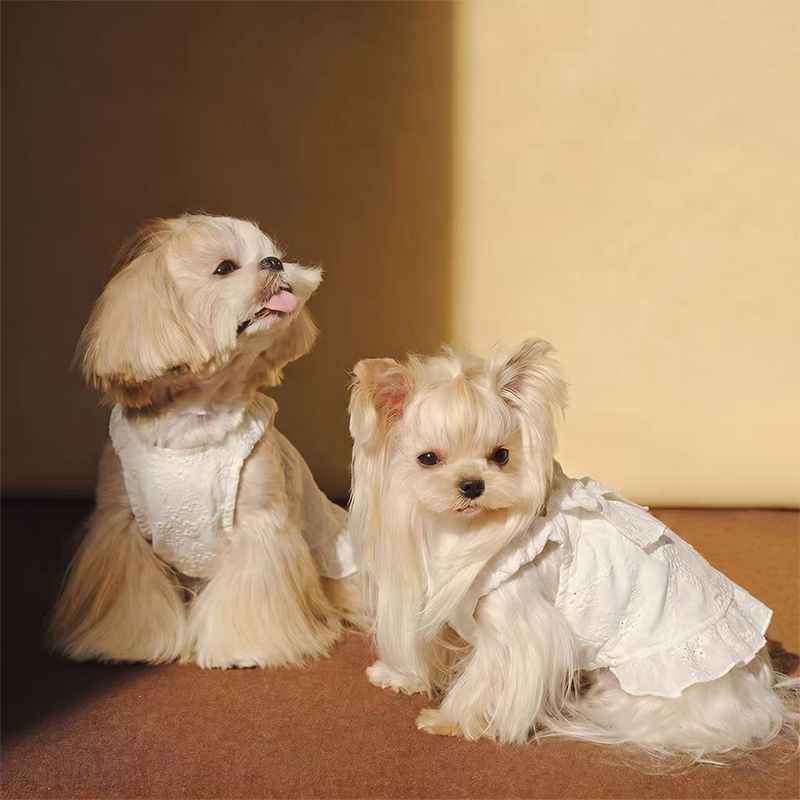
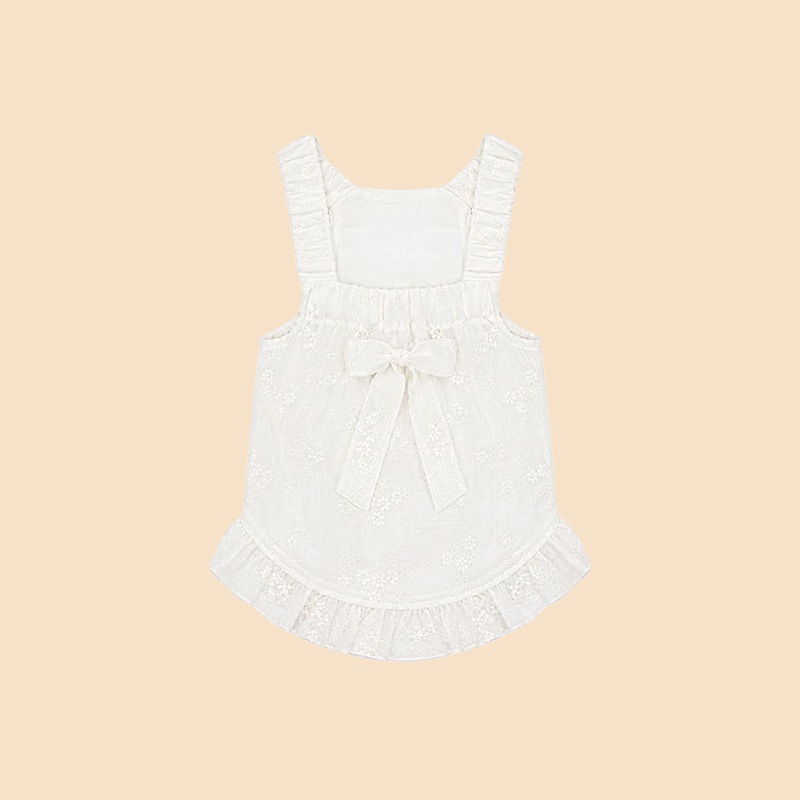
- French Style Embroidered Dog Dress Elegant Pet Apparel
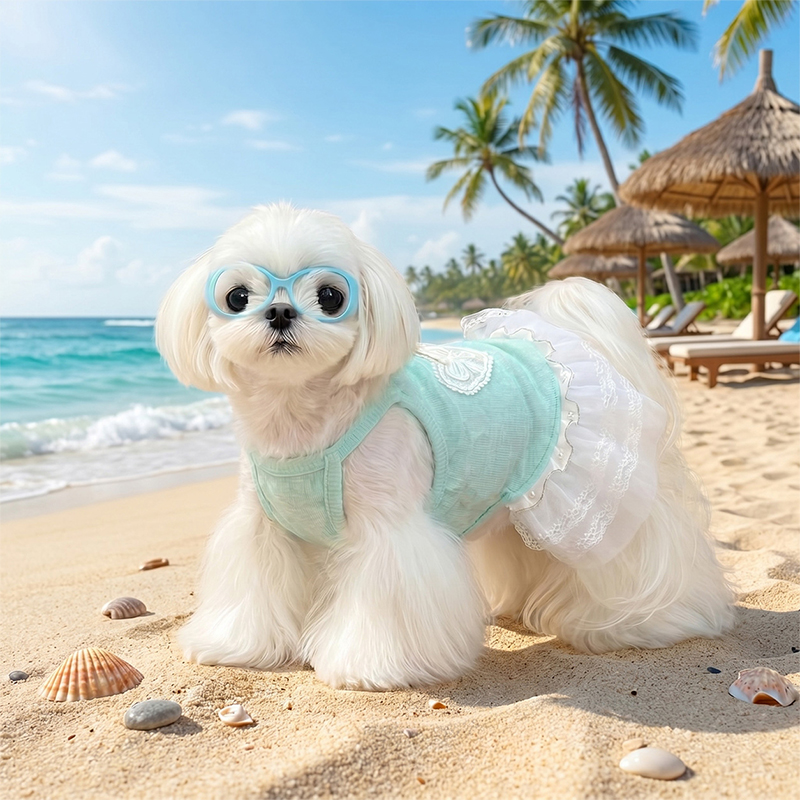
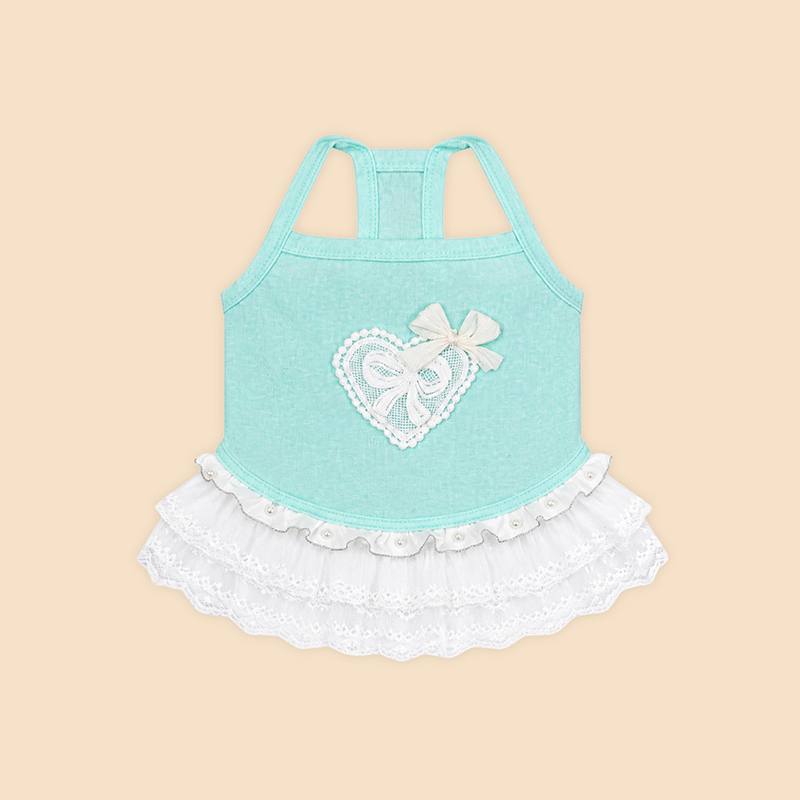
- Mint Green Heart Spaghetti Strap Tulle Dog Dress Princess Party Outfit
- Gingham Bow Dog Dress Cute Summer Pet Outfit
- Navy Star Pleated Dog Dress Elegant Casual Pet Wear
- Summer Sailor Dog Dress Nautical Style Pet Apparel
- Dog Cooling Shirt Color-Block Lightweight Summer Pet Wear
- Dog Printed High-Neck Base Layer Top Thermal Stretch Pet Underwear
- Lightning Racing Performance Sportswear Breathable Athletic Pet Shirt
- Rustic Brown Plaid Dog Shirt Casual Outdoor Pet Wear
- Cream Embroidered Dog Blouse Elegant Pet Shirt
- Korean Style Pink Textured Tulle Camisole Small Dog Fashion Top
- Star & Letter Casual Pet T-Shirt Daily Wear Dog Top
- +86-13362661217
- 13362661217@163.com
- 128 Houxin Street, Hongjia, Jiaojiang, Taizhou, Zhejiang, China
