
 English
 русский
 Español
 عربى


Qiu Manzhen — Product After-Sales Service Supervisor
Denim Overall Dress Cake Skirt for Small Dogs and Cats: Design, Sourcing, and Manufacturing Guide
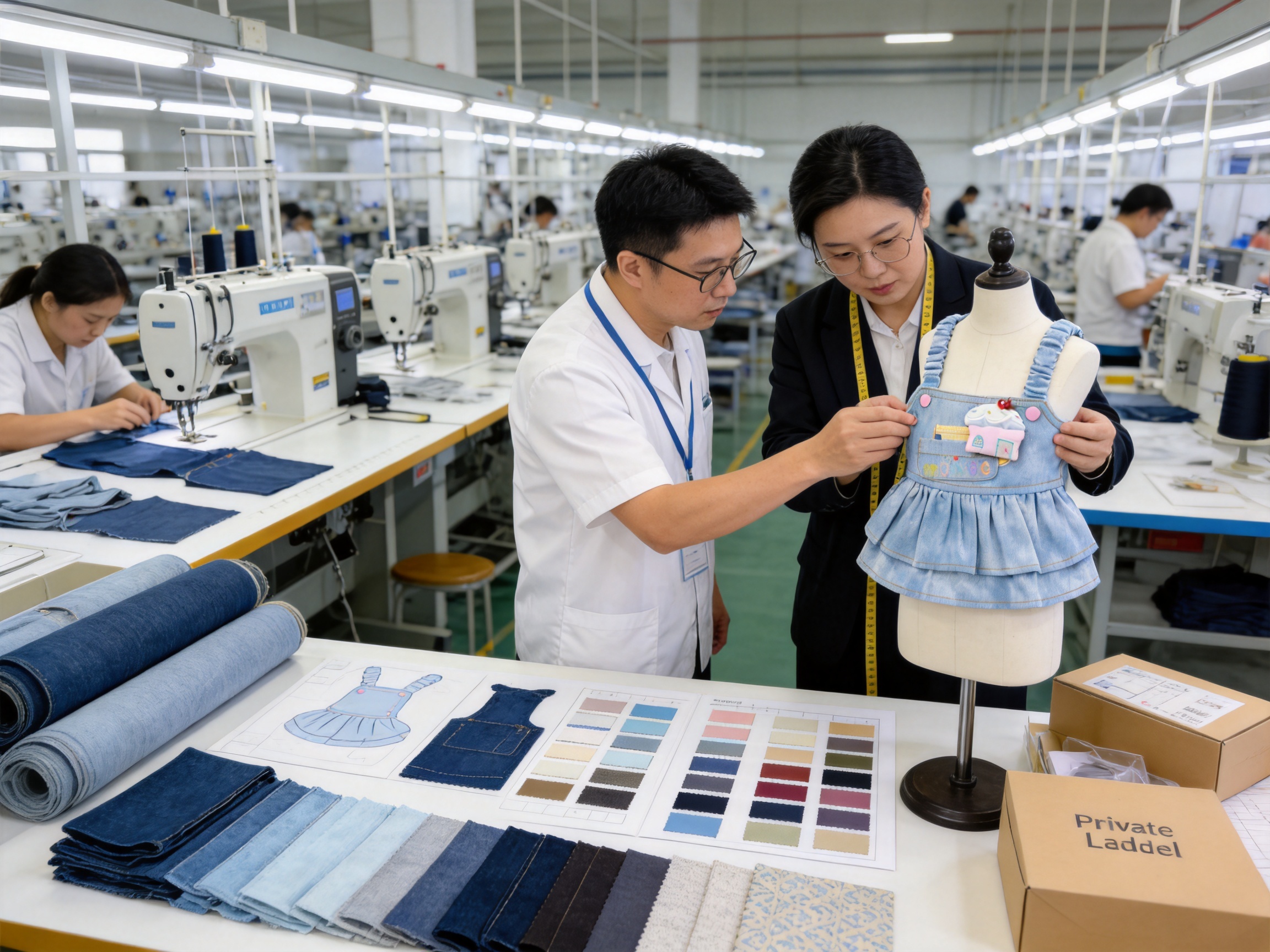
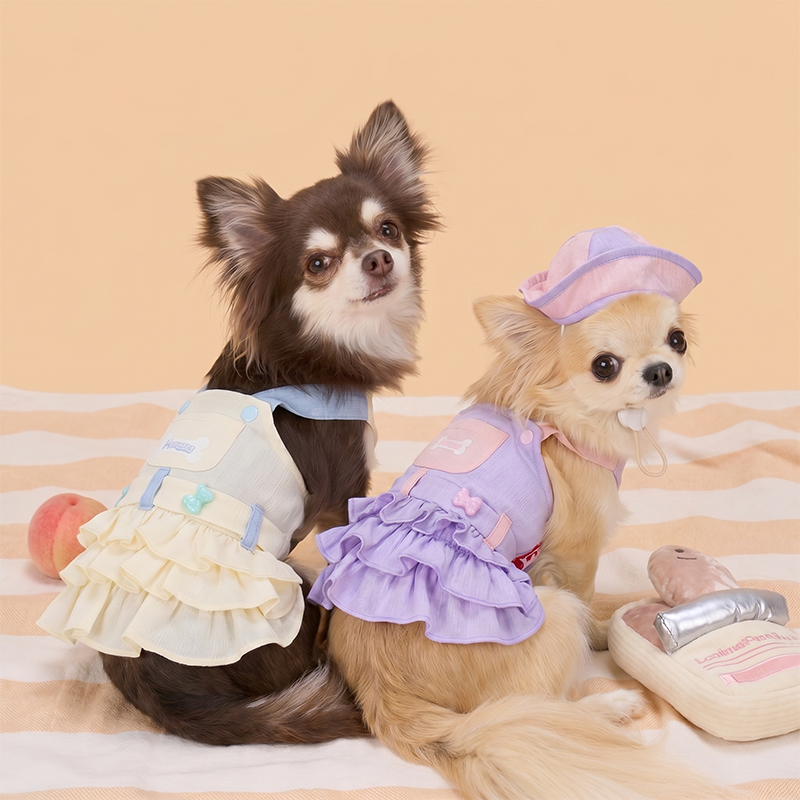
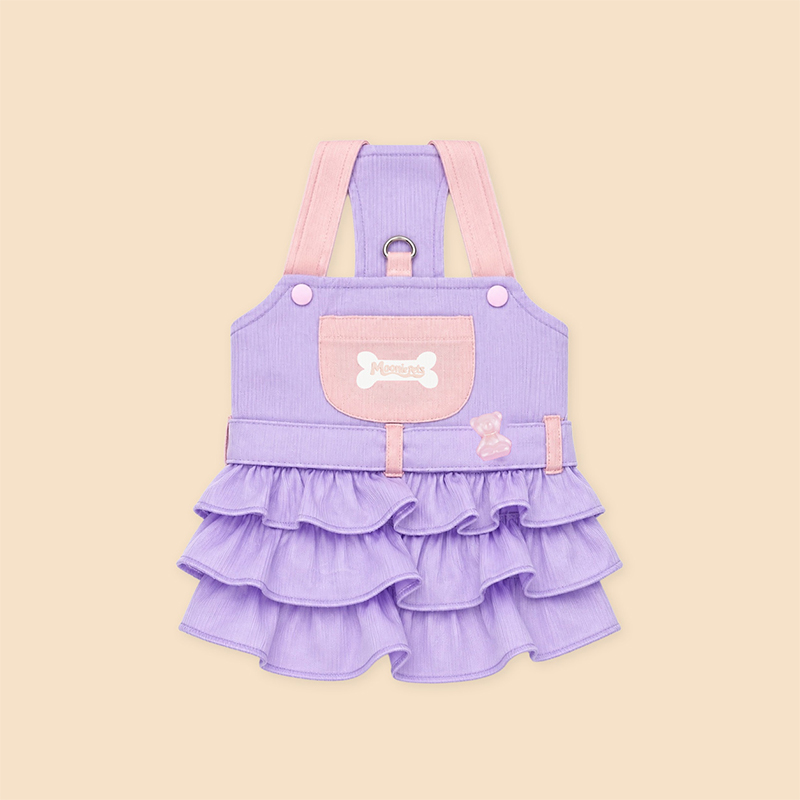
The Denim Overall Dress Cake Skirt Dog & Cat Dress is a distinctive small-pet apparel style that combines the recognizable character of denim with the soft, layered appearance of a cake skirt. It is designed for buyers who want more than a basic cotton pet dress or a purely decorative occasion garment. The overall-inspired upper section creates a casual, structured appearance, while the tiered skirt introduces movement, softness, and a playful fashion element.
For pet apparel brands, wholesalers, distributors, boutiques, and private-label retailers, this product offers a useful balance between everyday wearability and visual differentiation. It can be positioned as a casual spring and summer dress, a boutique fashion item, a social-media-ready pet outfit, or part of a coordinated small-dog and cat apparel collection.
Its product identity is clear: it looks like a miniature denim overall transformed into a dress, with a layered skirt that gives the silhouette additional volume and charm. This combination makes the style suitable for small dogs and cats that need clothing with a recognizable fashion direction rather than an ordinary single-layer dress.
1. Product Overview
The dress is built around two contrasting design ideas. The first is the casual, workwear-inspired quality associated with denim. Denim typically communicates durability, daily wear, and relaxed styling. The second is the light and playful character of a tiered cake skirt. Cake-skirt construction normally uses multiple gathered or layered sections to create a soft, dimensional outline.
When these elements are used together, the garment becomes visually more interesting than a conventional pet dress. The denim-inspired bodice provides structure and a strong base color, while the skirt creates contrast through its layered shape. This allows the product to fit both casual petwear collections and more fashion-oriented boutique assortments.
The garment is intended for small dogs and cats and is available in six sizes: XS, S, M, L, XL, and XXL. The size range supports a selection of small breeds and compact companion animals, although buyers should always compare the animal’s measurements with the garment measurements before ordering.
The standard color is denim blue. Custom colors, patterns, fabric selections, skirt treatments, and branding details can be developed for qualified OEM and ODM projects. This makes the product suitable as both a ready-style item and a starting point for a customized collection.
Key Product Specifications
| Product Name | Denim Overall Dress Cake Skirt Dog & Cat Dress |
| Product Category | Dog Dresses and Small-Pet Apparel |
| Suitable Animals | Small dogs and cats |
| Available Sizes | XS, S, M, L, XL, XXL |
| Primary Season | Spring, summer, and transitional seasons |
| Style Direction | Casual sweet denim overall dress |
| Construction Concept | Overall-style bodice with tiered cake-skirt silhouette |
| Standard Material | Denim fabric |
| Standard Color | Denim blue |
| Customization | Available for colors, patterns, trims, labels, packaging, and garment details |
2. Why the Design Stands Out in the Pet Apparel Market
The pet clothing market contains many familiar product forms, including plain cotton dresses, T-shirt dresses, knitted sweaters, hooded garments, raincoats, and formal occasion outfits. While these categories remain important, buyers increasingly look for products with an immediate visual identity. A garment must be easy to recognize in a product listing, attractive in photography, and sufficiently different from basic styles to support retail presentation.
The Denim Overall Dress Cake Skirt addresses this requirement through its combination of recognizable references. The overall-inspired bodice creates a workwear influence that many shoppers already understand. The cake skirt introduces a softer, more feminine, and more playful shape. Together, they form a hybrid style that can appeal to customers who want casual clothing with a fashionable finish.
Compared with a simple cotton dress, the denim concept gives the product a stronger lifestyle association. It can be styled with casual accessories, small shoes, bandanas, hair bows, or matching owner-and-pet outfits. Compared with a formal pet dress, it is easier to position for daily walks, indoor wear, casual outings, and informal photography.
Compared with a basic denim vest, the skirt gives the item additional movement and decorative value. A vest may communicate practicality but can appear visually limited in a fashion collection. The layered skirt helps the product occupy a more distinctive position without changing its fundamental casual character.
Compared with a heavily embellished costume, the dress is easier to present as an everyday fashion item. It does not depend entirely on sequins, elaborate decorations, or occasion-specific styling. This supports broader use throughout the spring and summer seasons and may reduce the risk of the product being limited to a single holiday or event.
A Balanced Casual-Fashion Position
The strongest commercial feature of this style is its balanced positioning. It is not completely plain, but it is also not so elaborate that it becomes difficult to wear. The denim appearance makes it suitable for daily use, while the layered skirt provides enough personality for boutique shelves, online product pages, and pet photography.
This balance can be particularly useful for small-pet apparel brands. Small dogs and cats are often dressed for both practical and visual reasons. Owners may want clothing that is comfortable enough for routine wear but attractive enough for photographs and social content. A product that satisfies both purposes has greater potential for repeated presentation across multiple marketing channels.
The design also provides a clear story for product descriptions. Retailers can explain the contrast between casual denim and a sweet tiered skirt in a few words. Clear storytelling helps customers understand why the garment is different and gives merchandising teams a foundation for collection themes.
3. Main Product Advantages
3.1 Distinctive Two-Part Visual Identity
The upper and lower sections of the dress create two complementary visual messages. The upper section suggests denim workwear and relaxed everyday clothing. The skirt suggests softness, movement, and playful styling. This contrast gives the product a more developed design language than a dress made from one uniform fabric and one simple silhouette.
For online retail, a clear visual identity is valuable because shoppers often make an initial decision from a thumbnail image. A denim-blue garment with a visible tiered skirt can stand out among plain pastel dresses, solid-color shirts, and standard knitwear. The shape is also easy to communicate through front, side, and lifestyle photography.
3.2 Suitable for Everyday Styling
The product is designed for spring, summer, and transitional seasons. Its casual character allows it to be styled for walks, indoor wear, informal visits, pet-friendly outings, and photo sessions. This wider use case can make the item more attractive to retailers than garments designed only for weddings, birthdays, holidays, or formal events.
Everyday positioning may also support stronger product utilization. When owners can use an item on multiple occasions, they may perceive greater value from the purchase. Retailers can present the dress as an easy wardrobe piece rather than a novelty product intended for a single photograph.
3.3 Layered Skirt Creates Movement
The tiered cake-skirt silhouette introduces volume and movement as the pet walks. This feature can make lifestyle images more dynamic and can help the garment appear more expressive in short-form video content. The skirt shape also creates a soft contrast against the denser visual impression of denim.
Layering can be adapted during customization. Depending on the target market, a buyer may request changes to the number of layers, the fullness of the skirt, the contrast between fabrics, or the use of additional trim. These adjustments allow the same basic product concept to be developed for different brand identities.
3.4 Broad Small-Pet Appeal
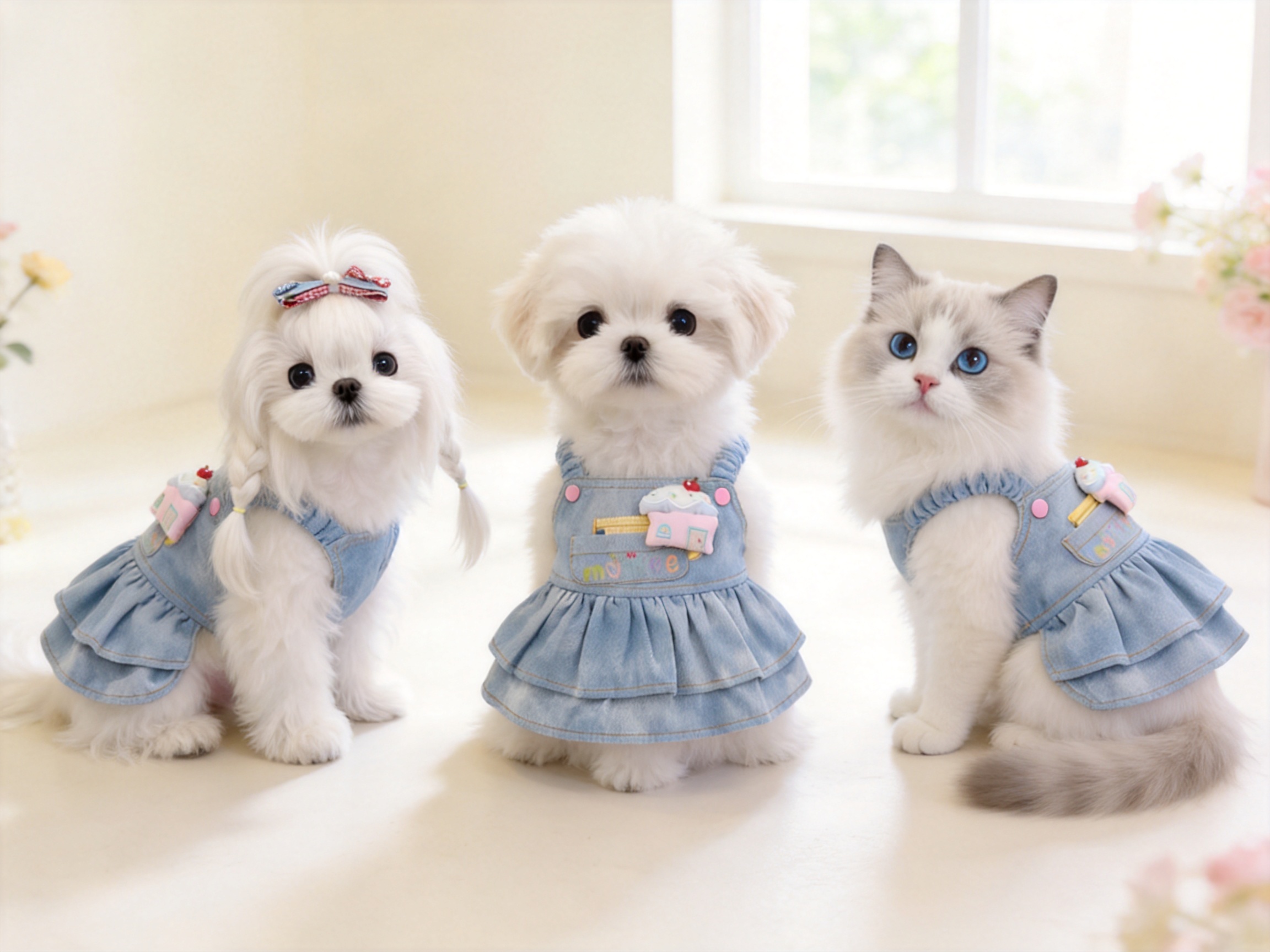
The product is designed for both small dogs and cats. This broadens the potential customer base and allows retailers to include the style in more than one animal category. A retailer specializing in small breeds can display the dress across toy-dog, puppy, and cat collections, subject to appropriate sizing and fit testing.
Offering a shared style concept across dogs and cats can also support coordinated merchandising. A retailer may create a “small-pet denim” collection featuring multiple sizes and animal models, or use the dress as part of a larger casual collection that includes matching accessories.
3.5 Strong Photography Potential
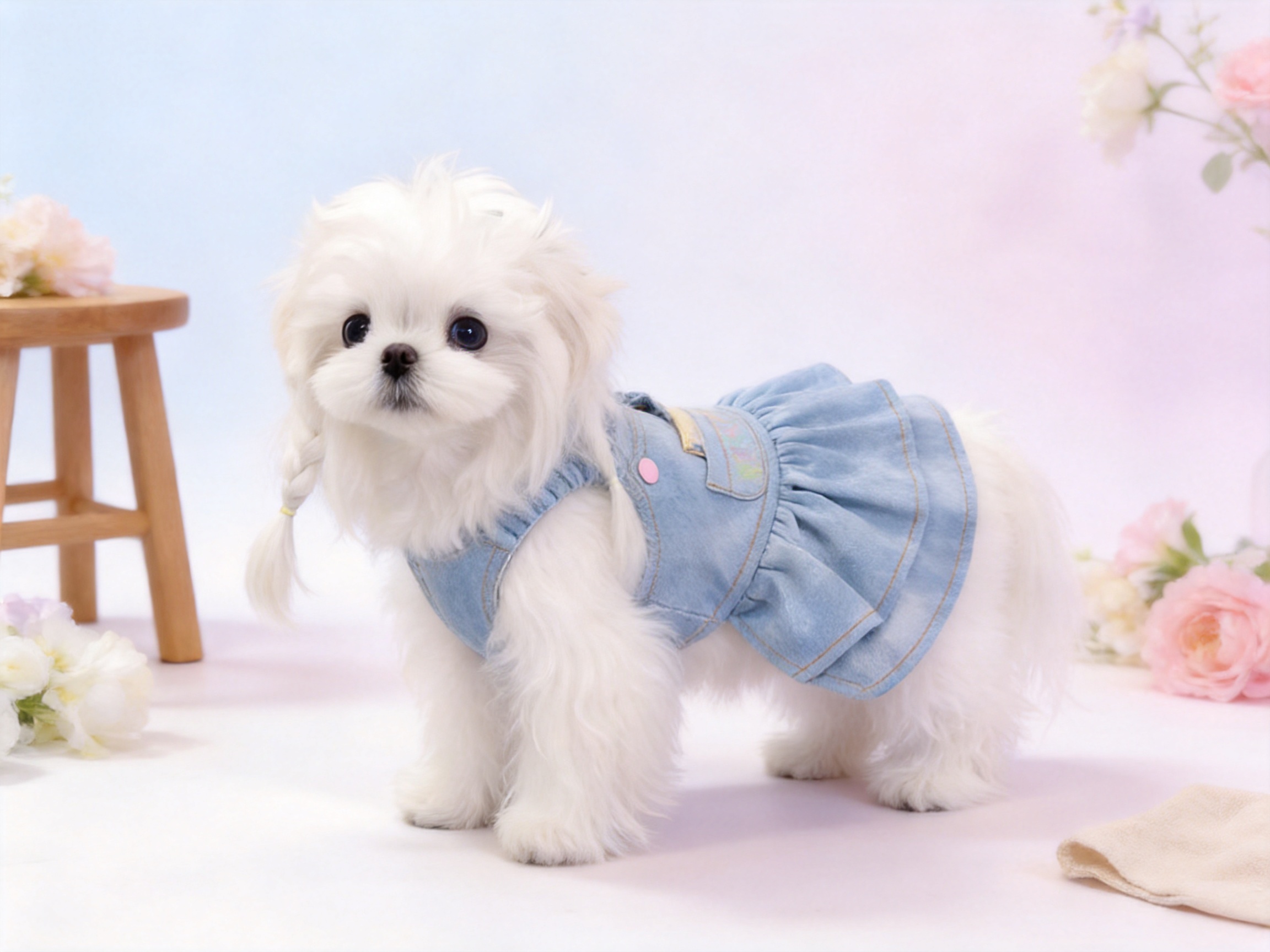
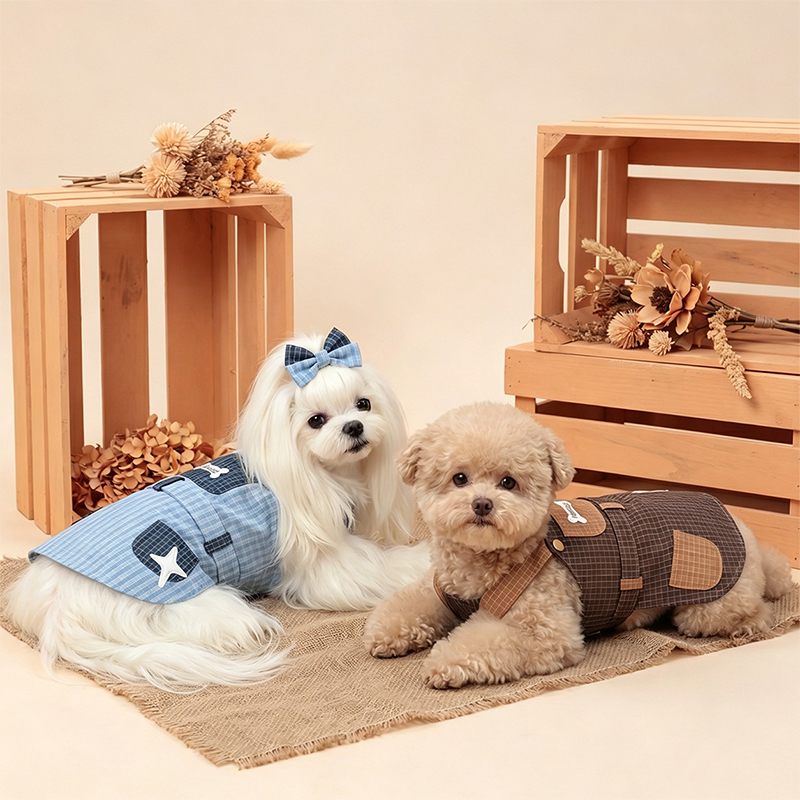
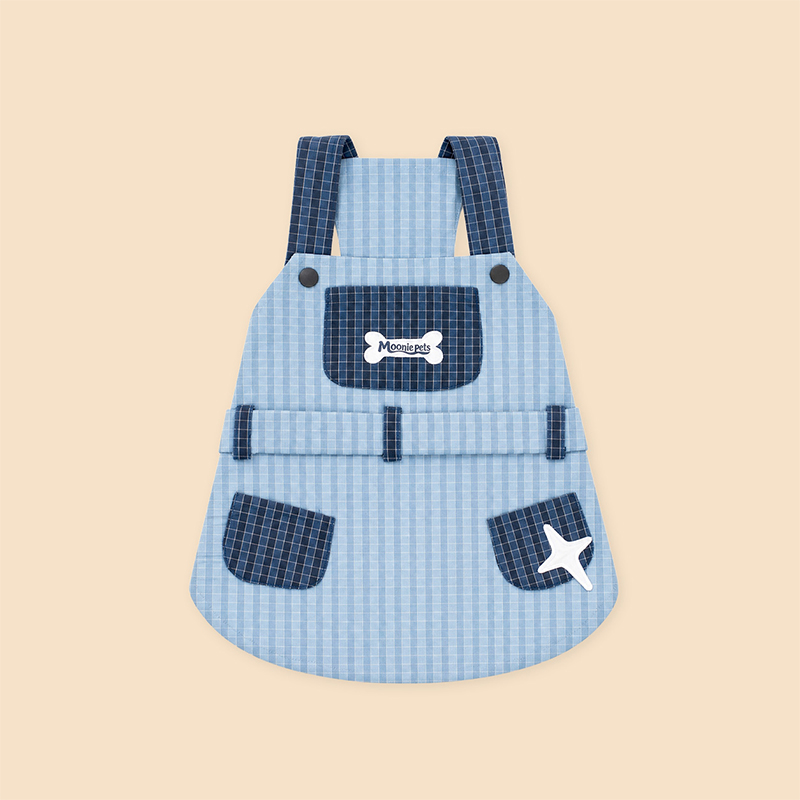
The dress has several elements that can be highlighted in product imagery: the denim texture, the overall-style bodice, the skirt layers, and the overall silhouette. These features are useful for both studio photography and lifestyle scenes. A pet wearing the garment outdoors, near casual furniture, or in a bright indoor setting can reinforce the intended everyday positioning.
The style can also support seasonal campaigns. Spring photography may emphasize flowers, natural light, and soft colors. Summer imagery may use outdoor cafés, garden settings, or casual travel themes. Transitional-season campaigns may combine the dress with light accessories or layered styling.
4. Size Information and Fit Considerations
The product is available in six sizes. The measurements below are provided as a purchasing reference. Because animal body shapes vary substantially by breed, weight, coat thickness, and posture, the measurements should be treated as a guide rather than a substitute for individual fitting.
| Size | Neck | Chest | Back Length | Suggested Weight |
| XS | 22 cm | 33 cm | Approximately 22 cm | Approximately 3 lb |
| S | 24 cm | 37 cm | Approximately 25 cm | Approximately 5 lb |
| M | 30 cm | 44 cm | Approximately 29 cm | Approximately 5–8 lb |
| L | 33 cm | 48 cm | Approximately 33 cm | Approximately 8–14 lb |
| XL | 36 cm | 53 cm | Approximately 36 cm | Approximately 14–17 lb |
| XXL | 40 cm | 58 cm | Approximately 39 cm | Approximately 17–22 lb |
Measuring Recommendations
Retailers should advise customers to measure the neck, chest, and back length of the pet before selecting a size. The chest measurement is especially important because a garment that is too narrow around the chest can restrict movement, while an overly loose garment may shift during walking.
To measure back length, place the animal in a natural standing position and measure from the base of the neck to the desired clothing endpoint. For a dress, the skirt may extend beyond the primary back measurement, so the buyer should also consider the pet’s body shape and the intended visual length.
Long-haired animals may require additional room depending on coat thickness. Customers should avoid choosing a size solely by weight because two animals with the same weight may have very different chest and back proportions.
For private-label projects, size grading can be reviewed during sample development. Brands may request adjustments to the neck opening, chest allowance, skirt length, or overall proportions to meet the needs of a particular market or breed group.
5. Material and Construction Direction
Denim is central to the product’s identity. It provides a recognizable blue-toned appearance and supports the casual workwear-inspired concept. The material selection also gives the bodice a more structured visual effect than lightweight jersey or thin woven cotton.
The skirt creates a different visual and tactile impression. Its tiered construction is intended to soften the structured denim concept and give the garment a more decorative outline. The relationship between these two sections is important: the denim should remain visible as the core identity, while the skirt should add movement without overwhelming the overall style.
During product development, the material weight, softness, color wash, seam placement, and edge finishing should be reviewed together. A fabric that is too stiff may reduce comfort for small animals, while a fabric that is too light may weaken the overall-denim impression. Sampling allows buyers to evaluate these details before bulk production.
Customization of Fabric and Appearance
Custom development may include denim fabric selection, color washes, skirt styling, pattern details, and garment adjustments. A buyer may prefer a lighter blue wash for a youthful spring collection, a deeper blue for a stronger workwear appearance, or a more muted tone for a minimalist boutique range.
Pattern details can also change the product’s market position. Small printed details may support a playful collection, while clean lines and restrained branding may suit a premium everyday assortment. Buyers should define their target customer and retail price before finalizing these visual decisions.
It is also possible to develop coordinated variations based on the same concept. A collection might include a standard denim-blue version, a lighter summer version, and a patterned version. Keeping the overall dress structure consistent can create collection unity while offering customers meaningful choice.
6. Applications for Retailers and Brands
6.1 Boutique Pet Stores
Boutique retailers can use the dress as a statement item within a small-pet fashion display. Its layered skirt and denim appearance give it enough visual interest to occupy a prominent position while remaining suitable for routine wear. It can be displayed alongside bows, collars, harnesses, bandanas, and small accessories.
The item may be especially useful in boutiques that favor casual lifestyle products rather than formal costumes. Its styling can support a collection theme based on weekend wear, city walks, outdoor cafés, or relaxed summer fashion.
6.2 Online Pet Apparel Shops
Online sellers can present the dress through a combination of detail images and lifestyle photographs. Close-up images should show the denim texture and skirt layers, while full-body photographs should communicate the fit and silhouette. Size charts should be displayed clearly to reduce confusion and improve purchasing confidence.
The design also provides several search and merchandising angles. It can be listed under dog dresses, cat clothes, denim pet clothes, small-dog outfits, summer pet apparel, casual pet dresses, or boutique pet fashion, depending on the retailer’s catalog structure.
6.3 Private-Label Collections
Private-label buyers can use the product as a base for a branded seasonal collection. Custom woven labels, wash labels, hang tags, packaging, and logo applications help transform a standard style into a more cohesive retail product.
A private-label collection may include branded size labels, a consistent color palette, custom photography, and matching packaging. These details can improve shelf presentation and help customers recognize related products across a store or online catalog.
6.4 Pet Photography and Social Content
The dress is suitable for pet photography because its silhouette is easy to recognize and its layered skirt creates visual movement. Photographers and content creators can use it in casual portraits, seasonal campaigns, adoption-event imagery, or social-media posts.
For brands, user-generated content may become an important part of product promotion. Customers who photograph their pets in distinctive clothing can provide authentic images that demonstrate fit, styling, and emotional appeal. The garment’s casual sweet character gives owners multiple ways to present it.
7. OEM and ODM Customization Options
The product is suitable for OEM and ODM development. OEM production allows a buyer to order a defined product with its own branding and packaging requirements. ODM development provides greater opportunity to modify the design, materials, sizing, pattern details, and overall appearance.
Available Development Areas
| Development Area | Possible Adjustments |
| Fabric | Denim weight, hand feel, color wash, and surface appearance |
| Color | Blue tones, custom colors, contrast combinations, and seasonal shades |
| Skirt | Layer count, fullness, length, trim, and tier arrangement |
| Pattern | Printed graphics, decorative details, and collection-specific motifs |
| Fit | Size grading, chest allowance, neck dimensions, and garment proportions |
| Branding | Embroidery, silicone or rubber logos, printed graphics, and woven labels |
| Packaging | Hang tags, wash labels, retail packaging, and branded presentation |
Branding can be applied through embroidered logos, silicone or rubber logo applications, printed graphics, custom woven labels, wash labels, hang tags, and branded packaging. The appropriate option depends on the desired appearance, production quantity, product positioning, and retail environment.
For example, embroidery may communicate a traditional textile brand identity, while a silicone logo can create a more contemporary sportswear or streetwear effect. Printed graphics provide greater flexibility for seasonal artwork, and woven labels can deliver a clean, understated presentation.
Before bulk approval, buyers should confirm the branding location, dimensions, color standards, attachment method, and durability requirements. A sample or pre-production approval can help ensure that the final appearance matches the intended retail presentation.
8. Manufacturing Capability and Production Strengths
The supplier is a professional pet apparel manufacturer integrating design, production, and sales. The manufacturing operation is headquartered in Taizhou, Zhejiang, and has five years of offline manufacturing experience. Its cross-border online division began operation in November 2025, focusing on one-stop OEM and ODM pet apparel solutions for global sellers and brands.
The company operates 48 fully automatic sewing production lines. This equipment base supports organized production for different pet apparel categories and can help maintain consistent workflows across sampling and bulk orders. Automated sewing capacity is particularly useful for products that require repeated assembly steps and consistent seam quality.
The professional team includes 77 people covering design, pattern making, production, and quality control. This structure allows the product development process to involve several specialized functions rather than relying only on a general production team. Design personnel can focus on appearance and product direction, pattern makers can address fit and construction, production teams can manage assembly, and quality-control staff can inspect finished goods.
The stated daily production capacity is 3,000 pieces. This capacity supports the needs of wholesalers, distributors, and brands that require repeatable production for seasonal collections. It may also help buyers plan replenishment more efficiently when demand is stronger than expected, subject to production scheduling and material availability.
The product range covers dog apparel, cat apparel, and small-pet apparel, with more than 800 SKUs in total. The company introduces approximately 8–12 new styles weekly. This ongoing development activity is relevant to brands seeking a broad catalog, regular newness, and the ability to test multiple product concepts throughout the year.
Integrated Design and Pattern Development
An integrated design and pattern-making process can reduce communication gaps between visual concepts and production requirements. In pet apparel, this is important because the garment must balance appearance, animal movement, size grading, and manufacturing practicality.
For the Denim Overall Dress, pattern development may involve checking the relationship between the bodice and skirt, ensuring that the garment remains visually balanced across sizes, and adjusting proportions for small animals. A design that looks attractive in one sample size must also retain its identity when produced in larger or smaller sizes.
Pattern makers can also review areas such as chest comfort, neck opening, seam placement, skirt length, and the interaction between the garment and the animal’s movement. These technical details influence customer satisfaction even when they are not immediately visible in a product photograph.
Production Organization
With multiple automatic sewing lines and a dedicated production team, the factory is positioned to organize orders according to product type, quantity, and delivery schedule. Organized production is valuable for buyers who operate seasonal catalogs and need goods to arrive within a defined selling window.
Production planning generally requires confirmation of materials, approved samples, branding files, size ratios, packaging instructions, and shipment requirements. Clear documentation at this stage can reduce avoidable delays and help ensure that the bulk order reflects the approved design.
Quality Control Focus
Quality inspection is included within the company’s professional team structure. For this product, quality checks should focus on denim appearance, fabric consistency, stitching, seam security, skirt layering, label placement, measurement accuracy, and packaging condition.
Inspection should also verify that the finished garment corresponds to the approved size chart. Small differences in neck, chest, or back length can affect fit, so measurement control is an important part of production quality.
For customized orders, buyers may establish additional inspection requirements. These may include logo position, color matching, wash effect, packaging quantity, barcode placement, carton markings, and sample approval procedures.
9. Advantages Compared with Common Alternative Styles
The product’s advantages become clearer when it is compared with other common pet apparel formats. These comparisons do not mean that other garments lack value; rather, they show where the Denim Overall Dress can occupy a useful position in a balanced collection.
Compared with Basic Cotton Dresses
Basic cotton dresses are often lightweight, comfortable, and easy to produce. However, many have similar silhouettes and may appear interchangeable in a crowded online catalog. The denim overall concept gives this product a stronger visual reference, while the cake skirt provides additional shape and detail.
The result is a dress with more merchandising potential. Retailers can describe it through its material inspiration and layered construction instead of relying only on color or floral prints to create distinction.
Compared with Plain Denim Vests
Plain denim vests typically emphasize casual styling but may provide limited decorative impact. The cake skirt makes the present product more fashion-oriented and more suitable for customers who want their pet’s clothing to appear expressive and photogenic.
At the same time, the denim foundation prevents the item from becoming overly formal. This combination may appeal to owners who prefer a relaxed wardrobe with a small amount of playful detail.
Compared with Formal Occasion Dresses
Formal dresses may be appropriate for ceremonies and special events but can have narrower use. The Denim Overall Dress is easier to position for routine wear, casual outings, and indoor use. This wider application can support longer seasonal selling periods and more frequent customer use.
Compared with Knitwear
Knitwear is valuable for cooler conditions, but it may not be the preferred choice for warm spring and summer styling. The Denim Overall Dress is designed primarily for warmer and transitional seasons, making it complementary to knitwear rather than a direct replacement.
10. Recommended Merchandising and Marketing Approach
Retailers should emphasize the product’s contrast between casual denim and a soft tiered skirt. This is the most understandable and memorable part of its design. Product titles and descriptions can use language such as casual denim dress, overall-inspired pet dress, tiered skirt, sweet everyday style, and small-dog or cat apparel.
Photography should include at least one clear full-body image, one close-up of the material and skirt, and one lifestyle image showing the garment in use. Images should make it easy for customers to understand the dress length, body coverage, and overall silhouette.
Merchandising can group the item with products that reinforce its casual fashion character. Suitable complementary products may include denim-inspired collars, fabric bows, simple harnesses, neutral-colored accessories, or coordinated owner apparel.
Seasonal campaigns can help extend the product’s commercial life. Spring promotions may highlight fresh styling and outdoor walks. Summer promotions may focus on light casual fashion and photography. Transitional-season promotions may present the item as a layer-friendly wardrobe piece for indoor and outdoor use.
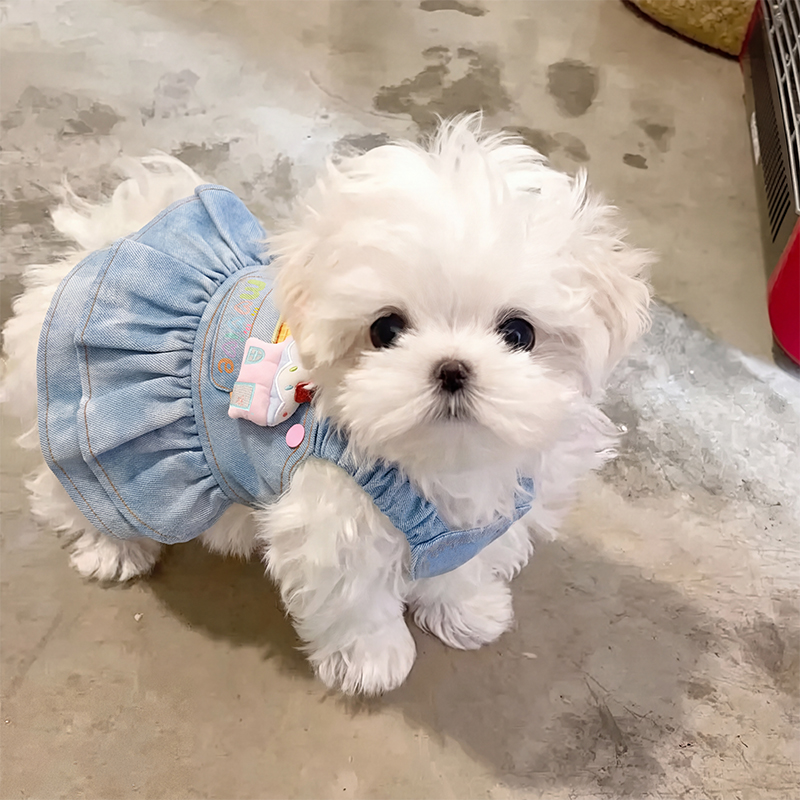
Denim Overall Dress Cake Skirt Dog & Cat Dress
11. Production Process from Sample to Shipment
A structured development process helps convert the product concept into a consistent commercial item. The first stage is design confirmation. At this point, the buyer and factory clarify the fabric, color, skirt construction, size range, branding requirements, and packaging expectations.
The next stage is pattern development and sample making. A sample allows the buyer to assess the visual balance of the overall-style bodice and cake skirt. It also provides an opportunity to review the fit on a suitable small dog or cat model.
After sample review, adjustments may be made to the size chart, skirt proportions, seam placement, material selection, logo position, or finishing details. For private-label orders, the buyer should approve both the garment sample and the branding sample before bulk production begins.
Once the order is confirmed, the production team prepares the required materials and organizes the manufacturing schedule. The stated production lead time is 10–15 days after order confirmation and receipt of the deposit. Actual timing for customized or large-volume projects should be confirmed according to the design, quantity, material availability, and packaging requirements.
During production, sewing lines assemble the garments according to the approved specifications. Quality-control personnel inspect the goods during or after production. Finished items are then packed according to standard export packaging or customized retail packaging instructions.
International shipping support is available for different sourcing requirements. Buyers should provide destination information, preferred shipping method, carton requirements, and any documentation needs at the quotation and order-planning stage.
Standard Order Terms
| Minimum Order Quantity | 500 pieces per order |
| Single-Color MOQ | At least 300 pieces for each color |
| Production Lead Time | 10–15 days after order confirmation and deposit receipt |
| Payment Terms | 50% deposit to confirm the order and 50% balance before shipment |
| Packaging | Standard export packaging or customized retail packaging |
These terms provide a starting framework for standard orders. Customized designs, private-label programs, and large-volume purchases may require a separate production schedule and quotation.
12. Quality and Compliance Considerations for Buyers
Pet apparel buyers should establish quality expectations before placing a bulk order. The expectations may cover material composition, color consistency, dimensional tolerance, sewing quality, label attachment, packaging, and inspection procedures.
For a denim dress with a tiered skirt, buyers should specifically check whether the skirt layers are evenly distributed and securely attached. Uneven gathering or inconsistent layer length can affect the appearance of the entire garment. The bodice should also maintain its shape without creating unnecessary stiffness or discomfort.
Buyers should consider the intended market’s labeling and packaging requirements. Some retailers need fiber-content labels, care instructions, size labels, country-of-origin information, barcodes, or special carton markings. These details should be confirmed before production rather than added at the end of the process.
If the product will be sold in multiple countries, the buyer should independently confirm the applicable consumer-product, textile-labeling, and packaging requirements. Requirements may vary by destination and sales channel.
Care Information
Care instructions should be determined according to the final fabric, trims, logo applications, and skirt construction. Buyers should request appropriate washing and care guidance for the approved sample and include it on the wash label or product packaging when required.
Clear care information can help protect the garment’s denim appearance and preserve the shape of the layered skirt. Retailers may also explain that pet clothing should be used under supervision and removed if the animal shows discomfort or attempts to chew the garment.
13. Positioning for Sustainable Collection Growth
A strong pet apparel collection benefits from recognizable core styles and controlled variation. The Denim Overall Dress can serve as a core design because its identity is clear enough to repeat in different materials, colors, and seasonal treatments.
A brand may begin with denim blue and later introduce a lighter wash, a darker wash, or a custom patterned variation. The skirt may also be adjusted to create a more minimal or more decorative version. By retaining the overall-style concept, the brand can build continuity across several releases.
The factory’s product range of more than 800 SKUs and its regular introduction of 8–12 new styles weekly may support buyers who want to expand beyond one product. A brand can source dog apparel, cat apparel, and small-pet apparel from a supplier familiar with related product categories, potentially simplifying collection planning and communication.
Frequent new-style development can also help retailers respond to changing consumer preferences. Buyers may evaluate several silhouettes, compare seasonal color directions, and select products that fit their target customer rather than relying on a single fixed assortment.
14. Q&A
Q1: What type of pet is this dress designed for?
The dress is designed for small dogs and cats. It is available in sizes XS through XXL, but customers should compare the animal’s neck, chest, and back measurements with the size chart before ordering.
Q2: What makes this dress different from a basic pet dress?
Its main distinction is the combination of an overall-inspired denim bodice and a tiered cake-skirt silhouette. The denim gives it a casual workwear-inspired identity, while the layered skirt adds softness, movement, and playful fashion value.
Q3: Can the color be customized?
Yes. The standard color is denim blue, and custom colors and patterns can be discussed for OEM and ODM orders. The final options depend on the selected fabric, production quantity, and approved sample.
Q4: Can the skirt design be changed?
Yes. Customization may include skirt styling, layer arrangement, fullness, length, trim, and pattern details. Buyers should provide a clear design brief so the factory can evaluate feasibility and prepare a sample.
Q5: What branding methods are available?
Branding options include embroidered logos, silicone or rubber logo applications, printed graphics, custom woven labels, wash labels, hang tags, and branded packaging.
Q6: Is the dress suitable for daily wear?
It is positioned for everyday walks, indoor wear, casual outings, and pet photography. The denim-inspired appearance gives it a relaxed character, while the tiered skirt adds a fashion-oriented finish.
Q7: Which seasons are most suitable for the product?
The dress is intended for spring, summer, and transitional seasons. Retailers can adapt the styling and photography to different seasonal campaigns.
Q8: What is the minimum order quantity?
The standard minimum order quantity is 500 pieces per order. The minimum quantity for a single color is at least 300 pieces per color.
Q9: What is the standard production lead time?
The stated production lead time is 10–15 days after order confirmation and receipt of the deposit. Customized or large-volume projects should be reviewed individually for a detailed schedule.
Q10: What are the payment terms?
The standard payment terms are a 50% deposit to confirm the order, with the remaining 50% balance paid before shipment.
Q11: Does the supplier support samples?
Yes. Sample development is available for product review and customized projects. Buyers should use the sample stage to confirm fit, fabric, skirt construction, branding, and packaging requirements.
Q12: What manufacturing capabilities support this product?
The manufacturer operates 48 fully automatic sewing production lines and has a 77-person professional team covering design, pattern making, production, and quality control. The stated daily production capacity is 3,000 pieces.
Q13: Does the supplier produce other pet apparel?
Yes. The product range includes dog apparel, cat apparel, and small-pet apparel, with more than 800 SKUs in total.
Q14: Can the dress be sold under a private label?
Yes. Private-label buyers can request custom labels, logos, hang tags, packaging, and other branding elements. The garment design can also be modified through ODM development.
Q15: What should buyers check before bulk production?
Buyers should confirm the approved sample, size chart, fabric, color, skirt proportions, logo placement, packaging, quantity by size and color, inspection standards, delivery schedule, and payment terms.
15. Recommended Buyer Checklist
Before requesting a quotation, buyers should define the intended market and retail position. A boutique seeking a premium casual look may require a different denim wash, packaging style, and logo treatment from a mass-market distributor.
The buyer should then confirm the expected order quantity and color breakdown. Because the standard terms require at least 300 pieces per color, the color plan should be prepared early. Buyers should also determine whether they need all six sizes or a narrower range based on their customer data.
Next, buyers should prepare branding files in suitable formats and specify whether the logo will be embroidered, printed, molded, woven, or attached as a label. The desired branding location should be shown in a clear technical drawing or reference image.
Packaging should be considered at the same time. Standard export packaging may be sufficient for wholesale cartons, while boutique or private-label retailers may need individual hang tags, polybags, custom inserts, or printed retail packaging.
Finally, the buyer should request a sample and review it on an appropriate animal model. Fit, movement, skirt length, fabric feel, and overall appearance are easier to evaluate in practice than through written specifications alone.
16. Final Assessment
The Denim Overall Dress Cake Skirt Dog & Cat Dress is a commercially adaptable product that combines everyday casual styling with a noticeable fashion detail. Its overall-inspired denim bodice gives the garment a strong identity, while the tiered cake skirt adds softness, movement, and boutique appeal.
Its advantages are especially relevant for brands looking to avoid overly basic pet dresses without moving entirely into formal costume wear. The product can be presented for daily walks, indoor use, casual outings, social-media content, and pet photography. Its suitability for both small dogs and cats also gives retailers flexibility in assortment planning.
From a sourcing perspective, the product supports OEM and ODM development. Buyers can customize materials, colors, patterns, skirt construction, size grading, logos, labels, and packaging. Sample development, bulk production, inspection, and international shipping support are available for different purchasing requirements.
The manufacturing operation adds further value through its integrated design, pattern-making, production, and quality-control structure. With 48 fully automatic sewing production lines, a 77-person professional team, a stated daily capacity of 3,000 pieces, and more than 800 pet apparel SKUs, the supplier is equipped to support both individual product orders and broader seasonal collections.
For pet apparel brands, wholesalers, distributors, boutiques, and private-label retailers, this dress offers a practical starting point for a casual sweet collection. Its combination of denim character, layered skirt design, small-pet sizing, and customization potential makes it suitable for buyers seeking a product that is recognizable, photographable, and adaptable to different retail strategies.
References
1. Product specification sheet for the Denim Overall Dress Cake Skirt Dog & Cat Dress, including material, size range, design features, customization options, and order terms.
2. Supplier manufacturing profile for Taizhou Feile Pet Products Co., Ltd., including production lines, team structure, product categories, capacity, and product-development activity.
3. Internal size information supplied for the product, including neck, chest, back length, and approximate weight guidance for sizes XS through XXL.
4. General principles of pet apparel product development, including fit assessment, fabric selection, sample approval, branding, packaging, and quality inspection.
5. General retail merchandising principles for small-pet clothing, including product differentiation, seasonal positioning, lifestyle photography, and private-label collection planning.
Product: Denim Overall Dress Cake Skirt Dog & Cat Dress

NEXT:College Style Two-Piece Dog Bib Set: A Scalable Preppy Pet Apparel Solution for Modern Retail
- Lolita Cake Dress
- Cool Style Tassel Top Pet Lolita Dress
- Sweet Bow Princess Dog Dress
- Denim Pinafore Dress With Pockets Cute Casual Small Dog Outfit
- French Doll-neck Dog Dress Elegant Pet Wear
- Korean Sweet Lolita Dog Dress Cute Party Outfit
- Flutter Sleeve Dog Dress Lightweight Summer Pet Wear
- Ruffle Flutter Sleeve Pet Dress Cute Princess Style
- French Style Embroidered Dog Dress Elegant Pet Apparel
- Mint Green Heart Spaghetti Strap Tulle Dog Dress Princess Party Outfit
- Gingham Bow Dog Dress Cute Summer Pet Outfit
- Navy Star Pleated Dog Dress Elegant Casual Pet Wear
- Summer Sailor Dog Dress Nautical Style Pet Apparel
- Dog Cooling Shirt Color-Block Lightweight Summer Pet Wear
- Dog Printed High-Neck Base Layer Top Thermal Stretch Pet Underwear
- Lightning Racing Performance Sportswear Breathable Athletic Pet Shirt
- Rustic Brown Plaid Dog Shirt Casual Outdoor Pet Wear
- Cream Embroidered Dog Blouse Elegant Pet Shirt
- Korean Style Pink Textured Tulle Camisole Small Dog Fashion Top
- Star & Letter Casual Pet T-Shirt Daily Wear Dog Top
- +86-13362661217
- 13362661217@163.com
- 128 Houxin Street, Hongjia, Jiaojiang, Taizhou, Zhejiang, China
